
The New Autumn Calendar
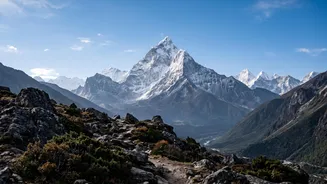
For decades, the Himalayan post-monsoon season from late September to November offered a dependable trekking paradise. Monsoon rains would wash the air clean, leaving behind crisp, clear skies and stable weather perfect for high-altitude adventures. While
October is still considered a prime month, this classic window is becoming less certain. Climate models show the Hindu Kush Himalaya region is warming at nearly twice the global average. This is causing monsoons to shift, sometimes lingering longer than usual. The result is a season marked by greater unpredictability. Trekkers might now encounter warmer days but also more volatile conditions, including sudden, sharp drops in nighttime temperatures and unexpected rainfall even after the monsoon has officially withdrawn.
Unpredictable Snow and Pass Crossings
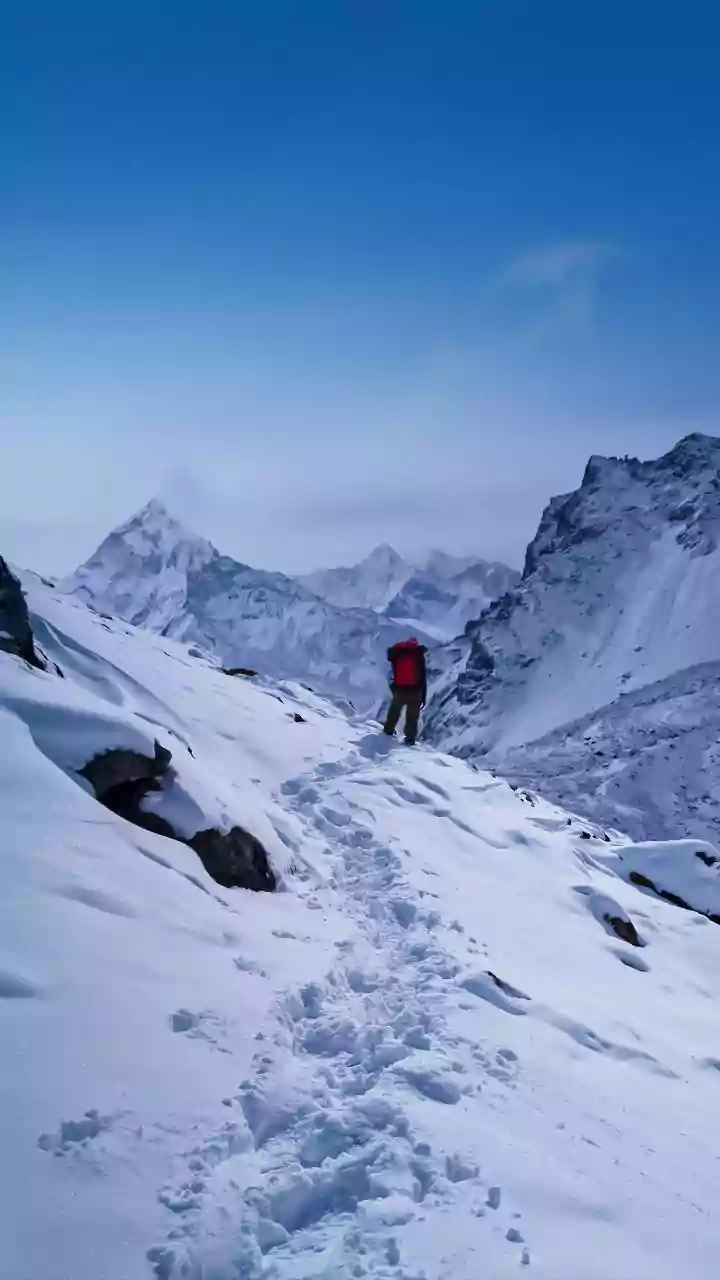
One of the biggest impacts of these temperature shifts is on snowfall patterns. While autumn has always brought cold nights at high altitudes, the timing and intensity of the first winter snows are becoming harder to forecast. High passes that were historically crossable until late October or even early November now face a greater risk of sudden, premature closure. Passes like Thorong La on the Annapurna Circuit and others in the Everest region can be shut down for weeks by an unexpected storm. For instance, some trekking agencies have already cancelled Manaslu Circuit treks for the autumn 2026 season due to a flash flood and severed trails, rerouting trekkers to other areas like the Annapurna Circuit. This volatility means that itineraries must be more flexible, as a pass being open one week is no guarantee for the next.
What It Means for Acclimatization
A wider range between daytime warmth and nighttime freezing puts additional stress on the human body. As trekkers ascend, proper acclimatization is always crucial, but increased temperature volatility makes it even more so. The body has to work harder to adjust not just to lower oxygen levels, but also to dramatic temperature swings within a 24-hour period. This makes taking rest days, staying hydrated, and ascending slowly more important than ever. Rushing an itinerary in these changing conditions is a significant risk, as altitude sickness can be exacerbated by the added physiological strain.
Adapting Your Trekking Plans
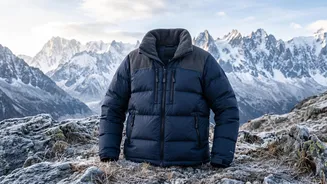
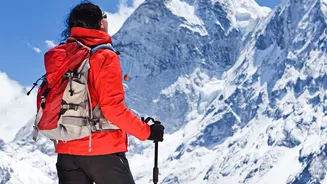
In this new environment, preparation and flexibility are key. The era of rigidly planned treks is giving way to a more adaptive approach. When booking a trip for 2026 or beyond, consider these strategies. First, build buffer days into your itinerary. These extra days provide a crucial safety margin if a pass is temporarily closed or if your group needs more time to acclimatize. Second, invest in a versatile layering system for your clothing. You'll need everything from light base layers for warm, sunny days to a serious down jacket and waterproof gear for sudden storms and freezing nights. Finally, choose your trekking operator wisely. Work with established agencies that have strong local networks and prioritize safety. They will have the most current information on trail conditions and are better equipped to make necessary adjustments on the ground.
The Shifting Appeal of Different Trails
The increasing uncertainty at very high altitudes may also shift the focus of post-monsoon trekking. While iconic routes to Everest Base Camp and the high passes of Annapurna remain popular, lower- to mid-altitude treks are becoming more attractive for their reliability. Trails like the Mardi Himal Trek or Ghorepani Poon Hill Trek offer stunning views without the same level of risk associated with pass crossings. Furthermore, after a recent flash flood in August 2026 temporarily closed access to the Langtang region, other areas like Annapurna and Everest saw an increase in diverted trekkers. This highlights how environmental events are actively reshaping tourism flows in real-time, making less-traveled regions of the Far West potentially more appealing for those seeking solitude.