





Beyond the Ideal Food Chart
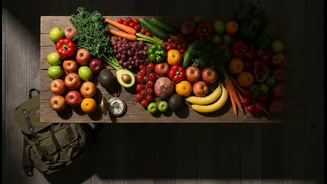
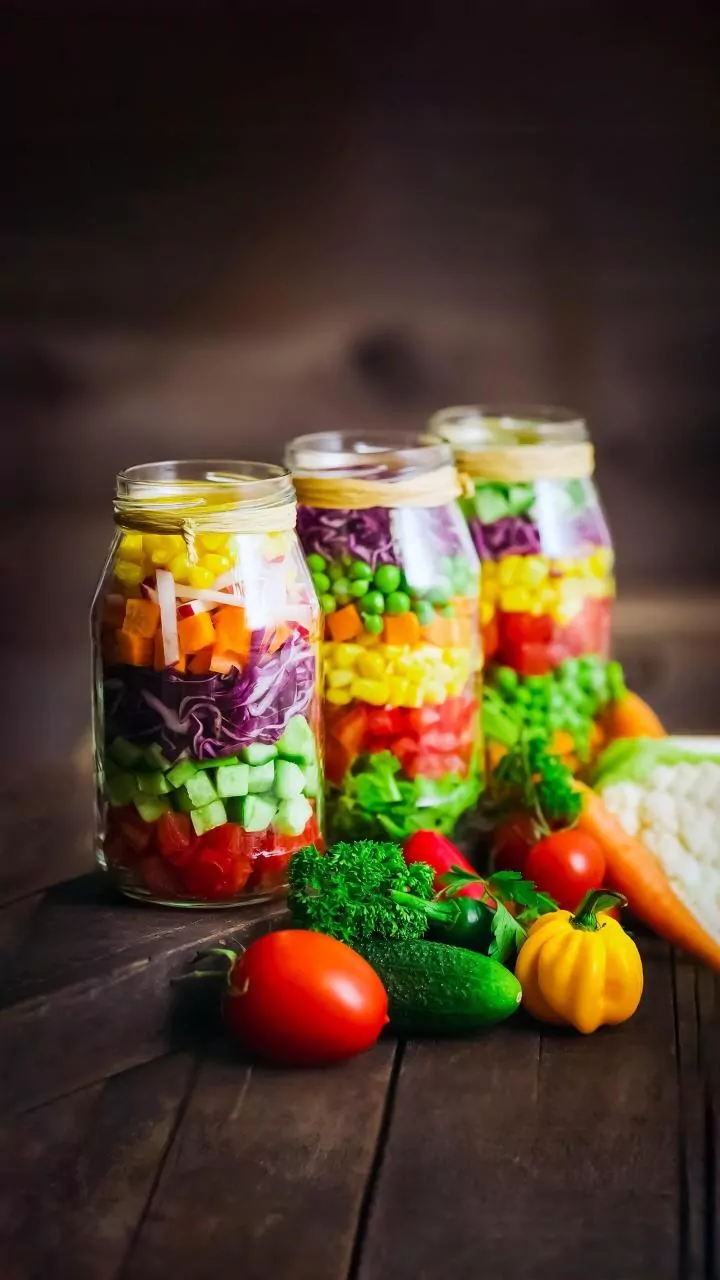
Nutritional guidelines, like those from the Indian Council of Medical Research (ICMR), paint a clear picture of a healthy plate: a vibrant mix of cereals, pulses, fresh vegetables, fruits, and dairy. This concept, known as dietary diversity, is crucial
for preventing the 'triple burden' of malnutrition—undernutrition, overnutrition, and micronutrient deficiencies. But for millions of Indian households, this ideal plate remains an aspiration, not a reality. The conversation about a healthy diet often overlooks the most critical factor: relentless food price inflation and household economics. The real test of dietary diversity isn’t what a family eats on a good day; it’s what they can consistently afford to put on the table every single week.
The Arithmetic of the Indian Kitchen
For a large portion of the Indian population, food is the single biggest item in the monthly budget, sometimes accounting for over half of their income. When the prices of essential commodities like vegetables, pulses, or cooking oil rise, families are forced into making difficult choices. Recent reports from July 2026 highlight that while there can be temporary relief in the cost of a 'thali', the overall trend puts immense pressure on household finances. A family might have to cut back on nutrient-dense but expensive items like fruits, certain vegetables, or dairy to ensure there’s enough of the staple grains like rice and wheat to feed everyone. This isn’t a choice made from ignorance, but a calculation of survival. The affordability of nutritious diets is a major barrier, with some studies estimating a large percentage of the rural poor cannot afford a recommended diet.
The Hidden Cost of 'Cheap' Calories
When nutritious food becomes unaffordable, families often turn to cheaper, calorie-dense alternatives to stave off hunger. This might mean relying more heavily on staple grains and reducing the intake of proteins and vitamins found in pulses and vegetables. While this strategy fills stomachs in the short term, it leads to significant long-term health consequences. This phenomenon, often called 'hidden hunger', is where a person consumes enough calories but lacks essential micronutrients. The long-term effects are severe, contributing to high rates of anaemia, stunting in children, and a weakened immune system, which in turn impacts everything from a child's performance in school to an adult's productivity at work.
Redefining Nutritional Security
Achieving true nutritional security in India requires a fundamental shift in focus. It's not enough to simply produce more food or to run awareness campaigns about healthy eating. The core issue is economic access. Policymakers and public systems must address the affordability crisis head-on. This means tackling food inflation, strengthening supply chains to reduce waste and cost, and ensuring social safety nets effectively enable families to purchase a diverse basket of foods, not just subsidised grains. The health of the nation is directly linked to the economic capacity of its households to buy nutritious food repeatedly. Without addressing affordability, even the best dietary advice remains just that—advice that many cannot follow.