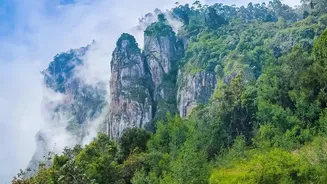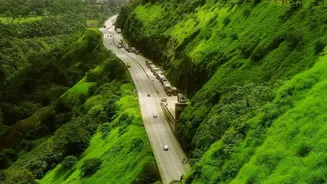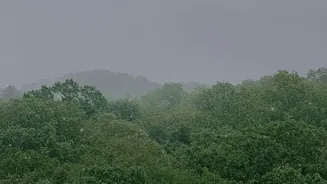





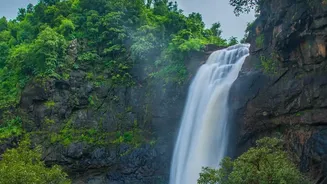

The monsoon's retreat leaves Karnataka’s forests draped in a vibrant, jewel-toned green. While this is a magical time to visit, it's also a crucial recovery period, leading to temporary closures of some parks and trails for ecological reasons.
The Post-Monsoon Forest Reset
After months
of relentless rain, the forests of the Western Ghats need time to heal. The period from late September through October is vital for this natural reset. Monsoon downpours often damage forest trails, turning them into impassable slush or causing landslides. This makes them unsafe for safari jeeps and trekkers. Furthermore, this is a sensitive time for wildlife. Many species conclude their breeding seasons, and the undisturbed environment allows young animals to thrive. The dense, post-monsoon vegetation provides crucial cover and forage. To protect these fragile ecosystems and ensure visitor safety, the Karnataka Forest Department often implements phased or temporary closures in many of its popular wildlife sanctuaries and national parks. These are not arbitrary decisions but are based on ground conditions, weather advisories, and conservation priorities.
Key Sanctuaries and Their Status
While many of North and Central India's famous tiger reserves close for the entire monsoon (July-September), several of Karnataka's parks remain partially or fully accessible. However, accessibility can be deceptive and change quickly. Parks like Bandipur and Nagarhole National Park, for example, often remain open year-round, but specific zones or safari tracks may be temporarily suspended if trails are waterlogged. Trekking destinations, especially in the Kudremukh Wildlife Division, are particularly prone to post-monsoon closures due to slippery and hazardous trails. Even popular trails like the one in Pushpagiri Wildlife Sanctuary often see closures from February through the monsoon, reopening only around October. The general rule is that while safari-focused parks like Bandipur might be open, high-altitude trekking routes require extra scrutiny before planning a trip.
How To Verify Park and Trail Openings
Relying on old travel blogs or outdated information is the fastest way to a cancelled trip. The status of forest areas can change with little notice. The most reliable source of information is always the official Karnataka Forest Department. Their website, aranya.gov.in, is the primary portal for official announcements, though it's also wise to check for notices from specific park divisions. For trekking permits, the department has increasingly moved towards online booking systems like 'Aranya Vihaara', which will reflect real-time availability and closures for specific trails. If you plan to visit a specific park, such as Bandipur or Nagarhole, find the contact number for the local forest range office. A direct phone call is often the most definitive way to get up-to-the minute information on safari timings and road conditions inside the park. Do not rely on thirdparty booking sites, which may not have the latest closure information.
Planning Your Post_Monsoon Trip
Once you have confirmed a park is open, a little extra planning goes a long way. The best time for wildlife sightings generally begins in October and extends through May. In October and November, the forests are incredibly lush and green, though the tall grass can sometimes make sightings a challenge. However, the weather is pleasant, and the crowds are often smaller than in the peak dry season. For safaris in Bandipur or Nagarhole, it is highly recommended to book your slot in advance, especially for weekend trips. Safaris are typically run in the early morning and late afternoon, as this is when animals are most active. Remember that even after the rains stop, trails can remain damp, and evenings can be cool, so pack appropriate footwear and layered clothing.
The Reward for Responsible Travel
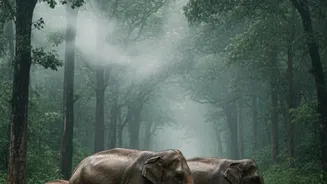
Taking the time to verify closures and plan responsibly does more than just ensure a smooth trip—it supports conservation. By respecting recovery periods, visitors help maintain the delicate balance of these vital ecosystems. Your reward is experiencing the forest at its most pristine and rejuvenated. The air is clean, the landscapes are breathtakingly green, water bodies are full, and the wildlife is active after a period of minimal disturbance. Elephant herds are often seen enjoying the fresh grasslands, and the birdlife is spectacular, with many resident and lingering migratory species active. This thoughtful approach to travel allows you to witness the wild heart of Karnataka in its full, vibrant glory, making the extra effort of a phone call or a website check completely worthwhile.