



The First Rule: Cool Completely
Before you even think about storage containers, the most crucial first step is to let your freshly made sweets cool down to room temperature. Storing them while still warm creates trapped steam, which turns into moisture and encourages bacterial growth,
leading to spoilage. Patience at this stage is key to a longer shelf life, whether you've prepared ukadiche modak, besan ladoos, or coconut barfi. This simple step prevents sweets from becoming soggy and helps maintain their intended texture.
Know Your Ingredients, Know Your Shelf Life
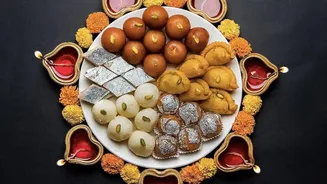
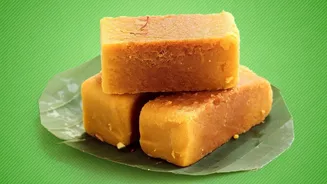
Not all sweets are created equal when it comes to storage. The primary ingredients dictate how long they will last and where they should be kept. Sweets made with khoya (milk solids), fresh coconut, or milk, such as milk peda, kalakand, and certain types of modak, are highly perishable. These should be your priority for quick consumption and proper storage. On the other hand, sweets with a base of ghee, gram flour (besan), semolina (rava), or nuts have a naturally longer shelf life. Kaju katli, besan ladoo, and dry fruit-based sweets can last much longer if stored correctly.
Refrigeration: For Perishables Only
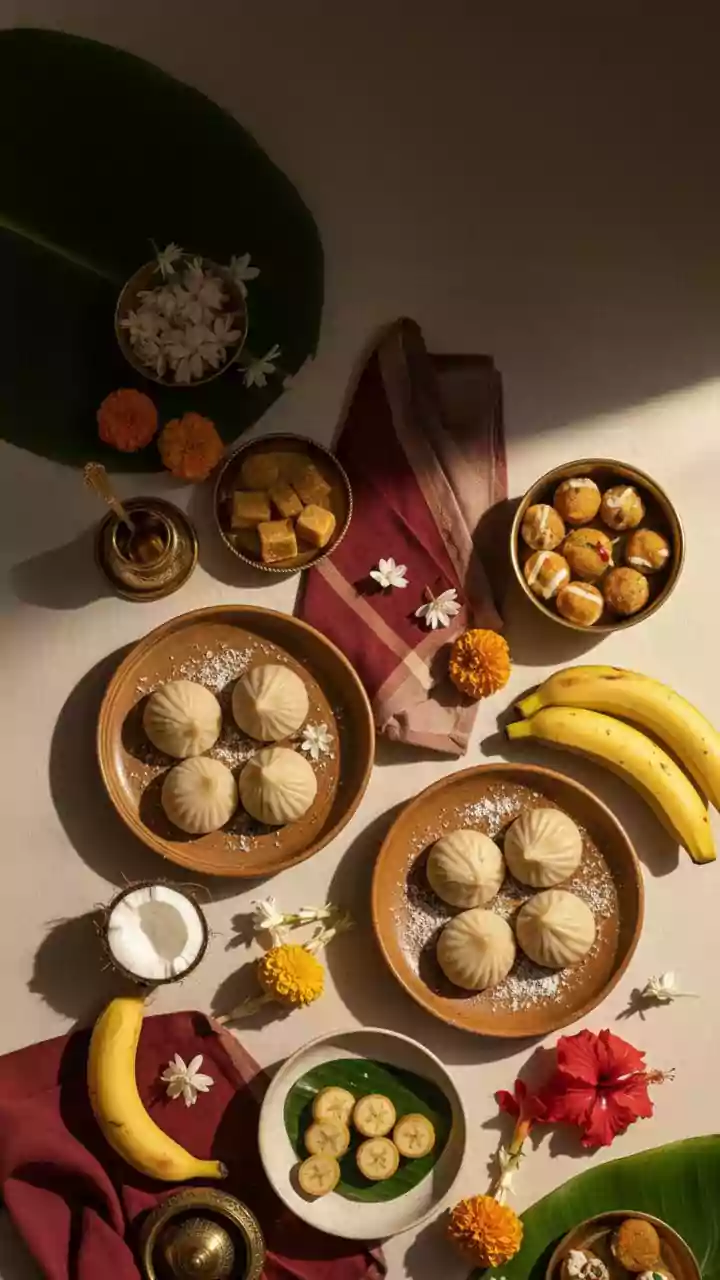
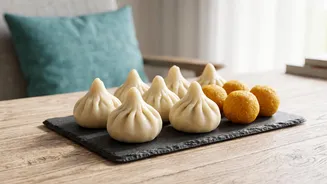
Milk-based and coconut-based sweets are prime candidates for the refrigerator. Items like milk barfi, pedas, and rasgulla must be refrigerated to prevent spoilage and should ideally be consumed within three to five days. Ukadiche modak, with its fresh coconut and jaggery filling, should also be refrigerated in an airtight container if not consumed within a day, and can last for up to three days. When storing these items, place them in the main part of the fridge, not the door, to avoid temperature fluctuations. It's also wise to bring them to room temperature for about 15 minutes before serving to enhance their flavour and texture.
The Power of Airtight Containers
For nearly all types of sweets, an airtight container is your best friend. It protects against moisture, prevents the sweets from drying out, and shields them from absorbing other odours from the kitchen or fridge. For dry sweets like besan or rava ladoos, an airtight container kept in a cool, dark place is sufficient. These can last for several weeks at room temperature. When layering sweets like barfi or peda, use parchment or butter paper between them to prevent sticking and maintain their shape. Glass or stainless steel containers are often recommended over plastic, as they don't retain odours.
Handling Specific Festival Favourites
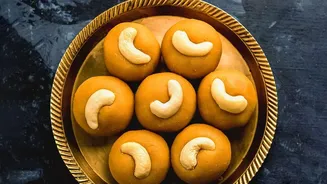
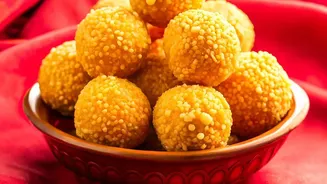
Different sweets require slightly different approaches. For Ukadiche Modak, ensure the coconut-jaggery filling is cooked until fairly dry to prevent it from oozing during steaming and storage. Rava Mawa Modak can be refrigerated in an airtight container for up to a week. Besan Ladoos, being a dry, ghee-based sweet, are very stable. They can last for 15 to 20 days at room temperature when stored in a sealed container away from sunlight. Sweets with a high sugar content, like some chikkis, are naturally better preserved; sugar acts as a preservative by binding to water molecules, making them unavailable to microbes.
When in Doubt, Trust Your Senses
Food safety should always be the priority. Before consuming any stored sweet, inspect it carefully. Telltale signs of spoilage include a sour or off smell, any visible mould (which can be white, green, or black), a change in colour, or a slimy texture. High humidity, in particular, can accelerate spoilage, causing sweets to become sticky or "weep" syrup. If you have any doubt about the freshness or safety of a sweet, it is always best to discard it. The festive spirit is best enjoyed with treats that are both delicious and safe.