





A New Era of Regulated Trekking
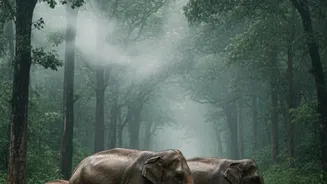
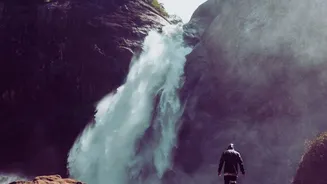
The days of spontaneous treks into Karnataka's forests are over. In response to safety incidents and to protect fragile ecosystems, the Karnataka Forest Department has implemented a new Standard Operating Procedure (SOP) for all treks within its jurisdiction.
This system mandates prior online registration and official permits for almost all well-known trails, including those in the Western Ghats. The regulations aim to make trekking safer and more sustainable by controlling crowds and ensuring every group is accounted for. The rules apply year-round but are especially pertinent in the post-monsoon season when trails are slippery and weather is unpredictable.
Why These Approvals Are Necessary
The primary drivers for these strict new rules are trekker safety and environmental conservation. Recent years have seen incidents of trekkers getting lost or injured, prompting the authorities to act. Furthermore, many popular trails pass through ecologically sensitive areas, including national parks and wildlife sanctuaries. The permit system helps manage the 'carrying capacity' of these trails, preventing overcrowding that can lead to soil erosion and disturbance of wildlife. Tragic conflicts with wildlife, including leopard attacks, also underscored the need for controlled movement in certain areas, leading to temporary bans and the eventual implementation of these comprehensive SOPs. The ultimate goal is to create a framework where adventure tourism can coexist with conservation.
How to Book Your Trekking Permit
All official trekking permits must be booked online through the Karnataka Eco-Tourism portal, 'Aranya Vihaara'. Walk-in or spot registrations are not allowed at any forest checkpoint. The process is straightforward: register on the website, select your desired trek by district, choose a date, and enter the details for each trekker, including a valid government ID. Bookings typically open 15 days in advance and close one day before the trek. For extremely popular routes like Netravati Peak, weekend slots can sell out within minutes of becoming available, so planning ahead is crucial. Permit costs vary by trail, generally ranging from ₹250 for hikes near Bengaluru to around ₹400–₹575 for more remote Western Ghats treks.
Key Rules to Remember on the Trail
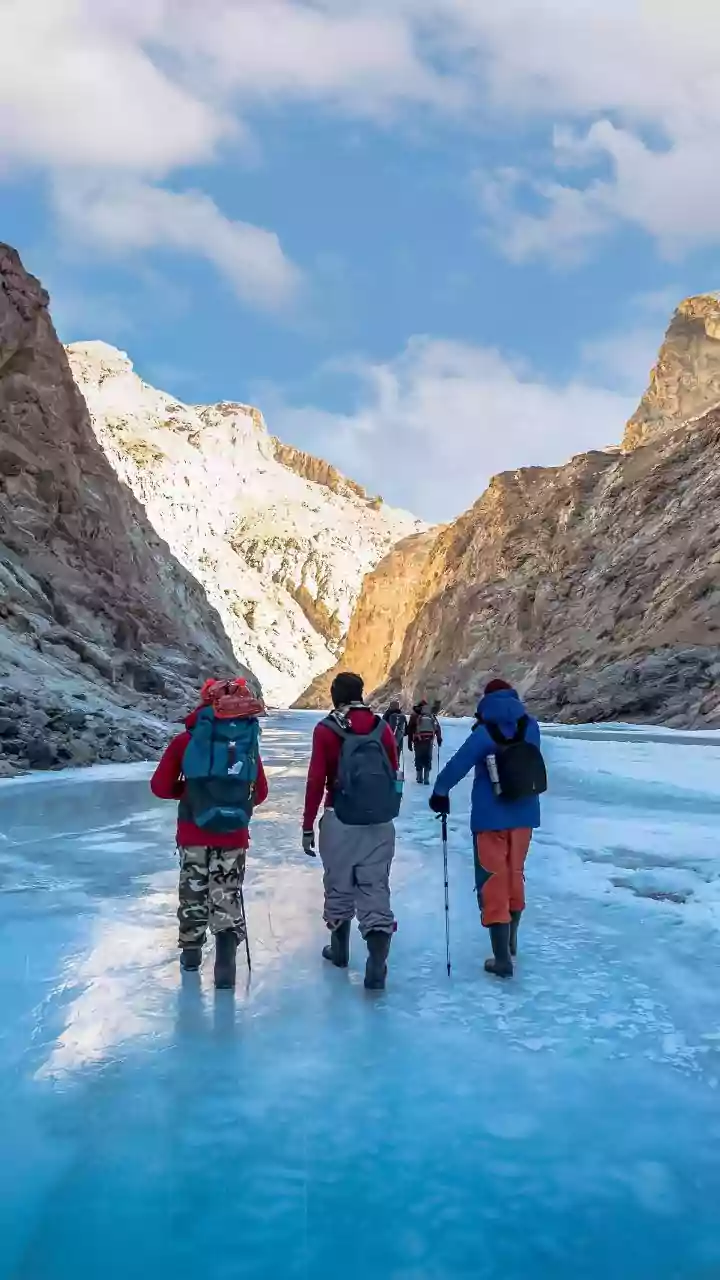
The new regulations extend beyond just booking a permit. A certified nature guide is now mandatory for all approved routes, with one guide assigned per ten trekkers. This rule applies even to solo hikers. To enhance safety, guides carry GPS-enabled walkie-talkies, and trekkers may be required to install a temporary tracking app on their phones. There are daily caps on the number of trekkers allowed on each trail, typically around 150-300 people, to prevent overcrowding. Other rules include a strict 'carry in, carry out' policy for waste, a ban on plastics and loud music, and prohibitions on night trekking and campfires. These measures ensure that the natural beauty you've come to see remains pristine for future visitors.
Popular Treks That Require Permits
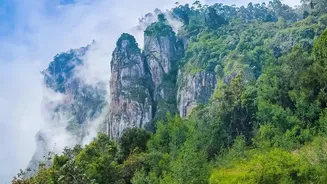
If you're planning to visit any of Karnataka's flagship trekking destinations, assume you will need a permit. The list of regulated trails is extensive and covers the most sought after routes across the state. This includes, but is not limited to : Kudremukh, Kumara Parvatha, Tadiandamol, Kodachadri, Netravati Peak, Mullayanagiri, Skandagiri, Ettina Bhuja, and Makalidurga. Essentially, any trek that passes through reserve forest, wildlife sanctuary, or national park land falls under these regulations. Always check the Aranya Vihaara portal for the most current list of open and regulated trails before making any travel plans.