


The Quest for Authentic Experiences
The primary driver behind this shift is a growing desire for experiential travel. Today’s adventurers, particularly younger travellers aged 18 to 35, are less interested in passive sightseeing and more focused on active participation. This generation
prioritises personal growth, cultural immersion, and creating unique memories over simply ticking boxes on a checklist. The trend is moving 'from adrenaline to authenticity,' with travellers seeking mindfulness and a connection to nature. Instead of crowded tourist hotspots, they are drawn to the allure of untouched beauty, quiet villages, and genuine cultural interactions that offer a deeper sense of discovery. This pivot towards meaningful journeys is reshaping India's travel economy, with the experiential market projected to grow significantly.
The Social Media Influence
Social media platforms like Instagram have become a major source of travel inspiration, profoundly altering how Indians choose their destinations. A recent survey revealed that 72% of respondents discover new and offbeat locations through short-form videos like Instagram Reels. This visual storytelling creates a powerful desire for 'bragging rights' associated with unique, non-touristy spots. Influencers showcasing hidden waterfalls, remote treks, and thrilling activities inspire their followers to seek out similar adventures, promoting less well-known places. This digital word-of-mouth has made activities once considered niche, such as caving or desert safaris, far more mainstream and desirable.
Caving in Meghalaya
Once a niche activity for seasoned spelunkers, caving (or speleology) in Meghalaya has exploded in popularity. The state is home to some of the longest and most complex cave systems in the subcontinent, offering a raw, subterranean adventure. Travellers are venturing into these ancient limestone formations to navigate underground rivers, squeeze through tight passages, and marvel at stunning stalactites and stalagmites. It’s an activity that combines physical challenge with the thrill of exploring a hidden world, a perfect example of the kind of immersive experience modern adventurers crave.
Paragliding in Bir Billing
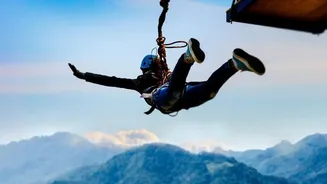
While destinations like Rishikesh are famous for rafting and bungee jumping, Bir Billing in Himachal Pradesh has solidified its status as India's paragliding capital. The appeal lies not just in the adrenaline rush of soaring through the sky, but in the spectacular panoramic views of the Dhauladhar mountain range. It offers a unique perspective and a feeling of freedom that a sightseeing tour cannot replicate. The growth of professional operators and improved safety standards have made sports like this more accessible to a broader audience, moving them from extreme to aspirational.
Astro-Tourism in the Himalayas
A fascinating new trend combines adventure with the cosmos: astro-tourism. Destinations with minimal light pollution, like the Spiti Valley, are becoming hotspots for travellers who want to trek during the day and stargaze at night. This blend of physical activity and awe-inspiring natural wonder appeals to those seeking a deeper connection with the environment. It moves beyond a simple trek to become an educational and almost spiritual journey, tapping into the growing interest in wellness and mindful travel. It’s an adventure that is both outward-bound and inward-looking.
The Growth of Supporting Infrastructure
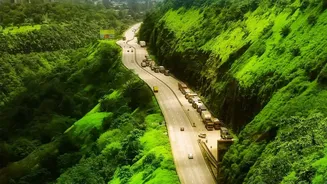
This shift wouldn't be possible without significant improvements in infrastructure. Better roads, more reliable connectivity to remote locations, and a rising number of professional tour operators have made previously inaccessible adventures achievable. The number of adventure tour operators has seen a substantial increase, reflecting the growing demand. Furthermore, rising disposable incomes, especially among younger Indians and those in Tier 2 and Tier 3 cities, mean more people have the financial means to pursue these specialized experiences. This has helped fuel the adventure tourism market's rapid growth.