






The Science of a Simple Breath
When you feel stressed, your body's 'fight-or-flight' response, or sympathetic nervous system, kicks in, leading to shallow breathing, a racing heart, and scattered thoughts. [7, 13, 22] Deep, intentional breathing does the opposite. It activates the parasympathetic
nervous system, often called the 'rest-and-digest' system. [7, 12, 13, 16] This simple act sends a signal to your brain that you are safe, helping to slow your heart rate, lower blood pressure, and reduce levels of the stress hormone cortisol. [11, 16, 27] Pranayama, the yogic practice of breath control, harnesses this biological mechanism to bring the mind and body into a state of balance and tranquility. [1, 21]
Anulom Vilom (Alternate Nostril Breathing)
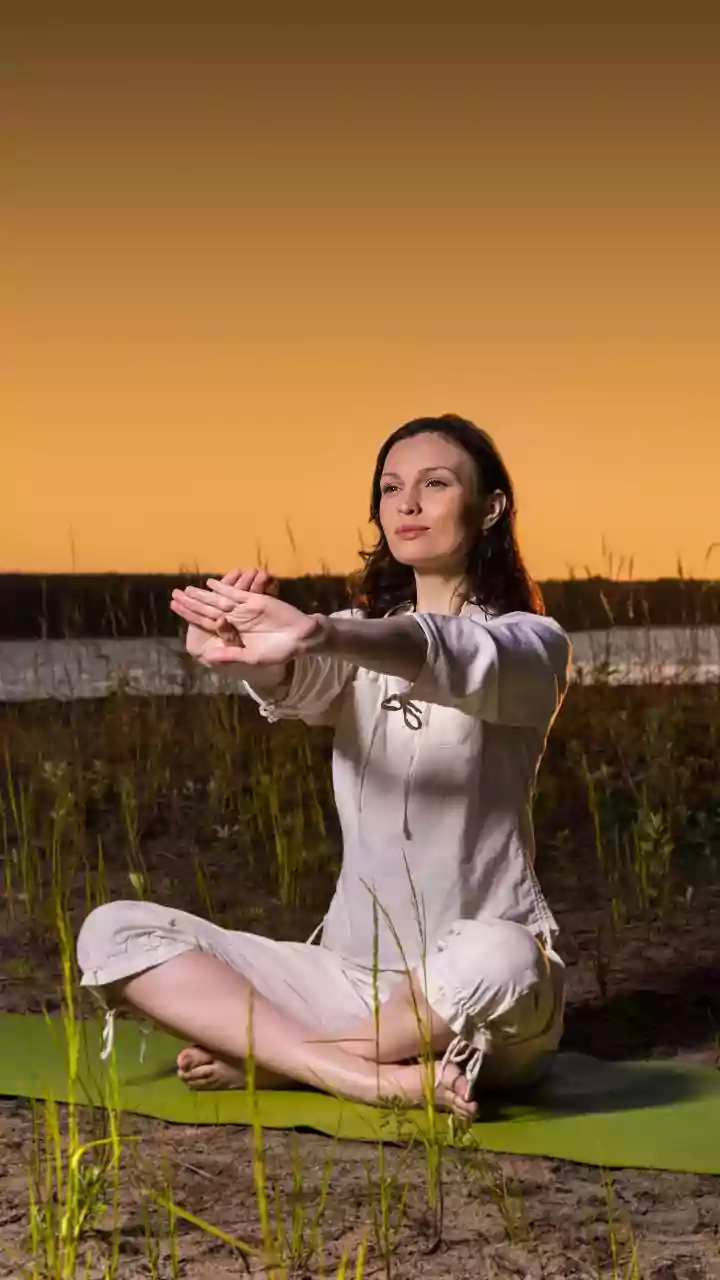
Known for its ability to bring balance to the mind and body, Anulom Vilom, or Nadi Shodhana, is excellent for calming anxiety. [1, 17, 25] It is said to balance the two hemispheres of the brain, promoting mental clarity and reducing stress. [12, 23, 25] **How to practice:** 1. Sit comfortably with a straight spine. [12] 2. Rest your left hand on your knee. With your right hand, fold your index and middle fingers toward your palm. You will use your thumb for your right nostril and your ring finger for your left. [20] 3. Gently close your right nostril with your thumb and inhale slowly and deeply through your left nostril. [2, 12] 4. Close your left nostril with your ring finger, release your thumb from the right nostril, and exhale slowly through the right side. [2, 20] 5. Now, inhale through the right nostril, close it with your thumb, and exhale through the left. [2] 6. This completes one full round. Aim to practice for 7-10 rounds. [2]
Bhramari (Humming Bee Breath)
This powerful technique gets its name from the black Indian bee, Bhramari. [9, 15] It involves creating a humming sound that has a naturally soothing effect on the nervous system. The vibrations can instantly calm an agitated mind, making it highly effective for releasing tension, anxiety, and frustration. [5, 11, 15, 19] **How to practice:** 1. Sit in a quiet, comfortable space with your back straight and eyes closed. [5, 15] 2. Place your index fingers on the cartilage of your ears, right between your cheek and ear. [15] 3. Take a deep breath in. As you exhale, gently press the cartilage and make a continuous, low-pitched humming sound like a bee for the entire duration of the exhale. [5, 9, 19] 4. The sound should create a gentle vibration in your head. [11] 5. Inhale again and repeat the process for 5-9 repetitions. [5, 26]
Ujjayi (Victorious or Ocean Breath)
Often used during yoga asana practice, Ujjayi breath is known for its ability to build heat while also creating a profound sense of calm. [3, 10] The sound, reminiscent of ocean waves, helps focus the mind and overrides distracting thoughts. [3, 8] It works by creating a gentle constriction at the back of the throat, which slows the breath down and stimulates the vagus nerve, triggering a relaxation response. [4, 14] **How to practice:** 1. Keeping your mouth closed, breathe in and out through your nose. [3, 4] 2. Slightly constrict the back of your throat as you breathe, similar to the feeling when you whisper. [3, 4] This will create a soft, audible rushing or 'ocean' sound. 3. To learn the feeling, you can first practice by trying to fog up a mirror with your mouth open, making a 'ha' sound, then try to make the same sound with your mouth closed. [10, 14] 4. Keep your inhalations and exhalations equal in length, and the breath smooth and steady. [3] 5. Continue for 6-10 rounds, allowing the rhythmic sound to calm your mind. [2]
Building Your Morning Routine
Consistency is more important than duration. You don't need a long, complicated session to feel the benefits. Start by dedicating just five minutes every morning before you check your phone or dive into work emails. [23] Find a quiet space where you won't be disturbed. [6] You can choose one of the techniques above or practice a few rounds of each. Over time, as you become more comfortable, you can gradually increase the duration of your practice. [23] This small investment of time can set a tone of calm and focus that carries you through the challenges of your workday.