



The Case for a Sunrise Session
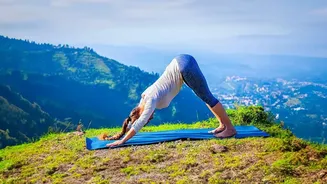
Rolling out your mat as the sun rises offers a powerful start to your day. Morning yoga can kickstart your metabolism and boost your energy levels more effectively than a cup of coffee. An early practice invigorates the body and mind, with sequences like
Sun Salutations stimulating circulation and promoting alertness. This can lead to improved mood and cognitive function throughout the day. Furthermore, establishing a morning routine is often easier to stick to. There are typically fewer distractions and competing priorities in the early hours, making you more likely to remain consistent. While your muscles might feel stiff initially, a gentle morning practice is a great way to warm up your joints and gradually increase flexibility over time. It also provides a golden opportunity for mindfulness, allowing you to set a positive intention before the day's demands take over.
The Argument for an Evening Flow
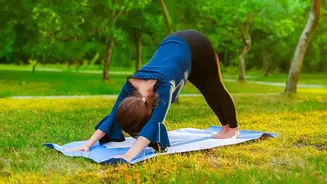
For those who aren't early birds, an evening yoga practice offers a different but equally compelling set of benefits. Your body's core temperature is naturally higher in the late afternoon and evening, which can lead to improved muscle flexibility and potentially deeper stretches with a lower risk of injury. An evening session is a fantastic way to decompress and physically release the stress accumulated throughout the day. Studies have shown that evening yoga can help reduce levels of cortisol, the stress hormone, and activate the body's 'rest-and-digest' nervous system. This transition from a state of 'doing' to a state of 'being' can quiet the mind and prepare your body for a more restful night. Many people find that a gentle pre-bedtime routine helps improve sleep quality and can even alleviate symptoms of insomnia.
Match the Practice to the Hour
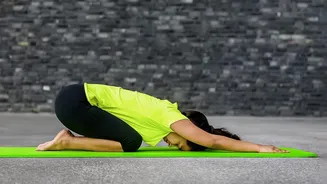
Not all yoga is created equal, and the style of your practice can be tailored to the time of day for maximum benefit. Morning sessions are ideal for more dynamic and energizing styles. Practices that are 'Yang' in nature, such as Vinyasa, Power Flow, or a series of Sun Salutations (Surya Namaskar), help build heat, boost energy, and get your blood flowing. These active styles align perfectly with the body’s natural rhythm of waking up. In contrast, evening practices should be less intense and more meditative. Calming and restorative styles, often referred to as 'Yin', are ideal for winding down. Gentle sequences like Yin Yoga, Restorative Yoga, or simply holding poses like Child's Pose (Balasana) and gentle twists can help release tension and quiet the nervous system, preparing you for sleep.
How to Find Your Perfect Time
Ultimately, the best time to practice yoga is the time that you can do it consistently. The choice between morning and evening depends entirely on your personal goals, lifestyle, and your body's own internal clock, or chronotype. Ask yourself: what are my primary goals? If you're seeking energy, mental clarity, and help with weight management, morning yoga may be superior. If your main goal is to de-stress, improve flexibility, and sleep better, an evening practice might be your answer. Consider your schedule. If your mornings are chaotic, forcing a practice will only add stress. Likewise, if you're too exhausted by the end of the day, an evening session may feel like a chore. The most effective strategy is to experiment. Try a week of morning yoga, then a week of evening yoga. Pay attention to how your body feels and how your energy levels are affected. You might even find a hybrid approach, with a short, energizing flow in the morning and a gentle stretch before bed, is the perfect combination for you.