






The End of the Honeymoon Hustle
After months of intense wedding planning—a marathon of decisions, expenses, and family dynamics—the last thing many couples want is another demanding schedule. The traditional honeymoon, often a whirlwind tour of sightseeing hotspots, can feel like an extension
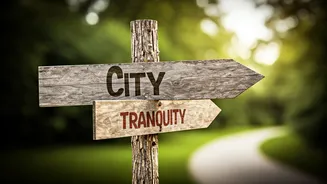
of that stress. You rush from monument to museum, battling crowds and living out of a suitcase, all in the pursuit of the perfect photo. But a growing number of couples in India are asking: is this truly relaxing? The answer, increasingly, is no. This has given rise to a new philosophy for the first trip as a married couple, one that prioritizes rest, rejuvenation, and, most importantly, genuine connection over a packed itinerary. It’s a deliberate choice to begin a lifelong partnership not with exhaustion, but with a shared sense of peace and well-being.
Why Ayurveda for Two?
At the heart of this trend is Ayurveda, India's ancient science of life and healing. Unlike a generic spa day, Ayurveda is a holistic system designed to bring the body and mind into balance. For a couple, it offers a unique opportunity to embark on a shared journey of healing and discovery. The philosophy isn't about a one-size-fits-all treatment; it’s deeply personal. Upon arrival at a retreat, couples typically consult with an Ayurvedic doctor (Vaidya) who assesses their unique constitutions (doshas). Therapies are then tailored to their individual needs, creating a parallel yet personal path to wellness. This process fosters a supportive environment where partners can learn not only about their own health but also how to better care for each other. It transforms the honeymoon from a consumer experience into a foundational one.
What to Expect from a Retreat
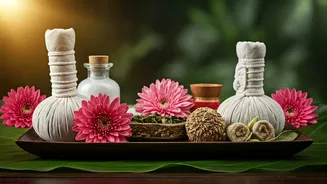
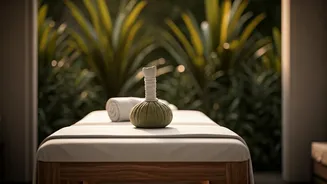
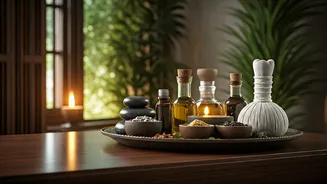
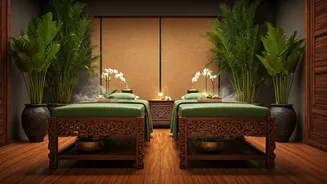
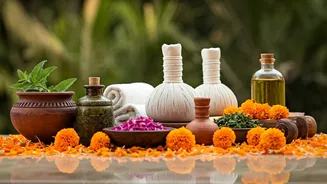
An Ayurvedic wellness honeymoon is a multi-sensory experience. Days are structured around gentle, restorative routines rather than tight schedules. Mornings might begin with partner yoga or meditation, designed to synchronise breath and energy. The core of the experience lies in the therapies. Imagine a synchronised Abhyanga, where two therapists massage warm, herb-infused oil onto each partner in a rhythmic, four-handed dance. Or the profound calm of Shirodhara, where a continuous stream of warm oil flows over the forehead, quieting the mind. These treatments are designed to detoxify the body, release stored tension, and calm the nervous system. The experience extends to the dining table, with personalised, nourishing meals that are both delicious and medicinal, completing the holistic circle of healing.
More Than Just a Massage
While the therapies are central, the true magic of a wellness honeymoon lies in the environment it creates. These retreats are often set in serene, natural landscapes—nestled in the tranquil backwaters of Kerala, the misty hills of the Western Ghats, or the foothills of the Himalayas. The intentional lack of distractions is a key feature. With limited Wi-Fi and no television, couples are encouraged to disconnect from the digital world and reconnect with each other. This creates space for what is often lost in daily life: long, uninterrupted conversations. The focus shifts from 'doing' to 'being'. The shared quiet moments, the walks in nature, and the mutual journey towards well-being help build a deeper, more intimate bond than a week of hurried sightseeing ever could.
Planning Your Wellness Escape
If this slower, more meaningful honeymoon appeals to you, a little planning can ensure the perfect experience. First, look for authentic retreats with certified Ayurvedic doctors and therapists. Reputable centres will insist on a consultation before recommending treatments. Discuss your goals as a couple beforehand. Are you looking for pure relaxation, detoxification, or a deeper introduction to Ayurvedic principles? Having a shared intention will enhance the experience. Also, consider the duration. While a weekend can be refreshing, a week or more allows for a deeper therapeutic process and more lasting benefits. Book well in advance, especially for popular retreats during peak season, and prepare to surrender to a slower, more mindful rhythm of life.