


The 90-Day Welcome Mat
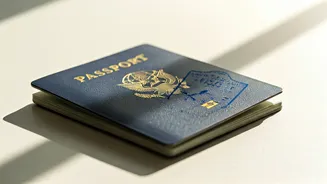
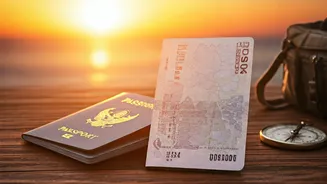
The primary catalyst for Vietnam's newfound popularity among Indians is its revamped visa policy, which took effect in August 2023. Previously, Indian tourists could apply for a 30-day, single-entry e-visa. While manageable for a short trip, it lacked
flexibility. The new policy is a complete game-changer: it offers a 90-day, multiple-entry e-visa. This simple administrative change has had a massive impact. Suddenly, planning a trip to Vietnam is no longer a task requiring weeks of advance preparation. The extended validity allows for longer, more immersive stays or even multiple short trips within a three-month period. For the spontaneous Indian traveller, this means a long-weekend trip to Hanoi or a week-long escape to Da Nang is now as easy to plan as a domestic holiday. The ease and speed of the online application process have removed one of the biggest psychological barriers to international travel.
Affordability Is the Biggest Draw
Beyond the visa, Vietnam's biggest trump card is its incredible value for money. The Indian Rupee enjoys a strong position against the Vietnamese Dong (VND), where 1 INR is equivalent to roughly 300 VND. This favourable exchange rate means that everything—from boutique hotels and delicious street food to local transport and souvenir shopping—feels remarkably affordable. A hearty bowl of Phở, the country's iconic noodle soup, can cost less than ₹200. A comfortable room in a city-centre hotel can be found for a fraction of what you’d pay in other popular Southeast Asian destinations. For budget-conscious families, couples, and solo travellers, this means the travel budget stretches significantly further, allowing for more experiences, better accommodation, and longer stays without breaking the bank. This financial accessibility is a key reason why travel searches for Vietnam from India have reportedly surged by over 300% on some platforms.
A Land of Dramatic Contrasts
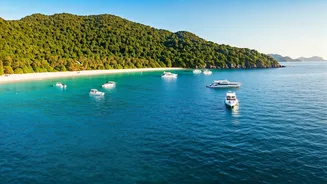
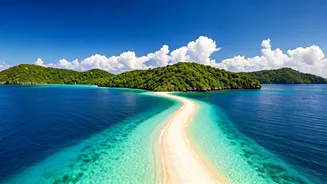
Vietnam offers a breathtaking diversity of landscapes and experiences packed into one long, beautiful country. In the north, the capital city of Hanoi buzzes with ancient temples, colonial architecture, and a chaotic yet charming Old Quarter. A few hours away lies Ha Long Bay, a UNESCO World Heritage site where thousands of limestone karsts and islets rise from emerald waters. Central Vietnam is home to the lantern-lit ancient town of Hoi An, a perfectly preserved port city, and the coastal city of Da Nang, with its sandy beaches and the famous Golden Bridge held up by giant stone hands. In the south, Ho Chi Minh City (formerly Saigon) is a bustling, modern metropolis that offers a poignant look into the country's wartime history at the Cu Chi Tunnels and War Remnants Museum. This variety ensures that whether you’re a history buff, a nature lover, a foodie, or a beach bum, Vietnam has a region that will captivate you.
A Culinary Journey for Every Palate
Vietnamese cuisine is a major highlight and a delightful discovery for the Indian palate. It's known for its fresh ingredients, fragrant herbs, and balance of sweet, sour, salty, and spicy flavours. While dishes like Phở (noodle soup) and Banh Mi (baguette sandwich) are world-famous, the culinary scene goes much deeper. For Indian travellers, particularly vegetarians, Vietnam is surprisingly accommodating. Many restaurants, especially in tourist hubs, offer vegetarian versions of popular dishes. 'Chay' means vegetarian, and looking for signs that say 'Cơm Chay' will lead you to eateries serving purely vegetarian fare, often inspired by Buddhist traditions. From fresh spring rolls (Gỏi cuốn) to savoury pancakes (Bánh xèo), the food is an adventure in itself, offering new flavours that are both exotic and comforting.