





The Science of Bad Vibrations
The core concept isn't about blasting insects with deafening noise, but rather about disrupting their most private conversations. Many insects communicate using vibrations transmitted through plants. These subtle, low-frequency signals are essential for
everything from finding a mate to warning others of danger. This entire field, known as bioacoustics or vibroacoustics, studies how living things produce and receive sound. The technology works by introducing a constant, low-frequency hum or specific disruptive signals into the plant stems or soil. This acoustic interference effectively jams the insects' communication channels, creating an environment of confusing noise that can prevent them from mating or encourage them to leave the area altogether.
How It Actually Works
Think of it like trying to have a serious conversation next to a construction site. Researchers identify the specific frequencies used by target pests, such as the glassy-winged sharpshooter or certain types of stink bugs. They then deploy devices that can reproduce these vibrations or emit a disruptive signal. These devices, often using piezoelectric transducers or small vibration units, can be attached directly to plant stakes or structures. By vibrating the plant itself, they turn the insects' own environment against them. The goal is to make the plant an undesirable place to live and breed without using a single drop of pesticide. This method is being explored not just to repel pests but also to detect them early, as the sounds of larvae chewing inside a plant can be picked up by sensitive acoustic sensors.
The Urban Farming Advantage
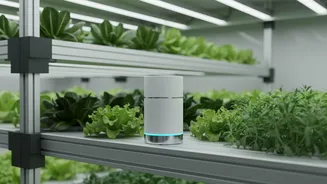
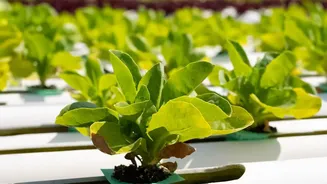
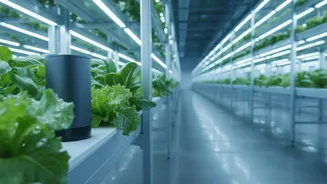
While this technology has potential for large-scale agriculture, it's uniquely suited to the challenges of organic urban farms. For one, these farms operate in close proximity to people, homes, and businesses, making chemical pesticide drift a major public health concern. A sound-based system is non-toxic and environmentally friendly, posing no risk to residents, pets, or beneficial insects like pollinators. Furthermore, many urban farms are smaller, controlled environments—like rooftop gardens or vertical farms—where it's easier and more cost-effective to deploy a network of acoustic devices. These systems can be integrated into a farm's Integrated Pest Management (IPM) strategy, adding a high-tech layer to methods like row covers and the use of beneficial insects.
From Lab Bench to Lettuce Bed
Acoustic pest control is still an emerging field rather than a widespread, off-the-shelf solution. Much of the research is conducted in labs and controlled field trials, focusing on specific high-impact pests. The USDA has investigated using disruptive vibrations to combat insects that spread devastating plant diseases in vineyards, while researchers in Brazil have patented a method for managing stink bugs with similar technology. However, a key distinction must be made from the widely available ultrasonic pest repellers you might see in hardware stores. Those devices, which use high-frequency sound, have been found by numerous studies and regulators to be largely ineffective against most pests, who either ignore them or quickly get used to the noise. The low-frequency vibrational approach is far more targeted and based on disrupting specific biological behaviors.
The Hurdles and the Future
Before your local community garden starts installing subwoofers, there are challenges to overcome. The initial investment in equipment can be high, and the effectiveness can vary depending on the pest species, crop type, and environmental conditions like background noise. There's also the risk of pests adapting to the disruptive sounds over time. However, the potential is undeniable. As the technology becomes more refined and affordable, it could offer a powerful tool for sustainable agriculture. For organic urban farms committed to growing fresh, local food without chemicals, a future where they fight pests with sound waves isn't just a novelty—it's a note of hope.