





Why Scoops Don't Work
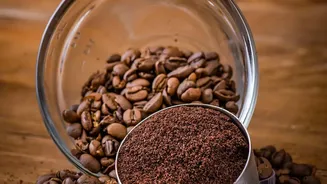
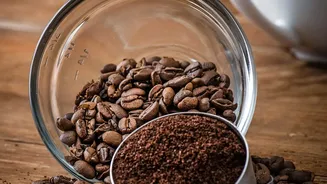
Many of us brew coffee by the spoonful, using 'one scoop per cup' as a rule of thumb. But this common method is the primary culprit behind inconsistent coffee. Coffee beans vary in size and density depending on their origin and roast level. A scoop of dark,
oily beans weighs less than the same scoop of a dense, light roast. Even the grind size changes how much coffee fits into a scoop; coarsely ground coffee has more air pockets than finely ground. This means that even with the same spoon, you are using a different amount of coffee every time, leading to unpredictable results. Weight, on the other hand, is an absolute measure. Twenty grams of coffee is always twenty grams, which is why professionals and discerning home brewers alike rely on weight, not volume.
Introducing the Golden Ratio
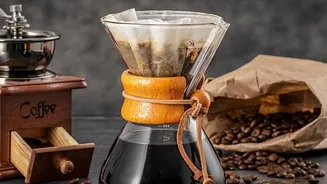
The solution is to use a coffee-to-water ratio. This is simply a comparison of the weight of your coffee grounds to the weight of the water you use to brew them. While there isn't one single magical number, the specialty coffee community has a widely accepted starting point known as the 'golden ratio'. This generally falls between 1:15 and 1:18, meaning for every one gram of coffee, you use between 15 and 18 grams of water. A fantastic and forgiving place to start for most filter coffee methods (like pour-over or a standard drip machine) is a 1:16 ratio. For a single large mug, this would translate to 20 grams of coffee and 320 grams of water. This simple formula removes the guesswork and creates a balanced, flavourful cup that isn't too strong or too weak.
The Most Important Tool: A Scale
To accurately use a coffee ratio, you need one simple tool: a digital kitchen scale. This is arguably the most impactful and affordable upgrade you can make to your coffee setup. A basic scale that can measure in one-gram increments is all you need to achieve café-level consistency at home. The process is straightforward: place your empty brewer or server on the scale and 'tare' it (zero it out). Add your ground coffee until you hit your target weight. Tare it again, and then slowly add hot water until you reach the final water weight. Many coffee-specific scales come with a built-in timer, which is helpful for timing your brew, but any kitchen scale will do the trick.
How To Find Your Perfect Cup
The golden ratio is a starting point, not a strict rule. The real beauty of brewing by weight is that it empowers you to make deliberate adjustments based on your taste. Once you have brewed a cup using the 1:16 ratio, taste it. Is it too strong? Next time, make the ratio 'wider' by using more water, such as 1:17. This will produce a lighter, more delicate cup. If the coffee was too weak or watery for your liking, 'tighten' the ratio to 1:15 by using less water for the same amount of coffee. This will result in a richer, more concentrated brew. Keep the grind size and other variables the same, and only change the ratio. Taking small, intentional steps and tasting the results is the best way to dial in the perfect cup that is tailored exactly to your preference.
Other Factors That Matter
While ratio is foundational, a few other elements contribute to a great brew. Always try to use beans that have been roasted within the last few weeks for peak flavour. Grinding the beans just before you brew makes a significant difference, as pre-ground coffee loses its aromatic compounds quickly. A burr grinder will give you a much more uniform grind size than a blade grinder, leading to a more even and balanced extraction. Finally, using filtered water heated to just off the boil (around 94–96°C) will ensure you are extracting the best flavours from the grounds without scorching them.