



More Than Just an Unpleasant Smell
Most pet owners have become accustomed to a certain level of 'pet breath'. However, truly foul or persistent bad breath, known medically as halitosis, isn't a cosmetic issue; it's a clinical sign. The smell is caused by volatile sulfur compounds produced
by an overgrowth of harmful bacteria in your pet's mouth. This bacterial buildup is often the first and most obvious indicator of developing dental disease, a condition that affects the vast majority of cats and dogs over the age of three. While a temporary change in breath odour after a fishy treat is normal, a smell that lingers for days or worsens over time is your pet’s way of telling you something is wrong.
The Real Culprit: Periodontal Disease
The most common cause of chronic bad breath is periodontal disease. It all starts with plaque, a sticky film of bacteria that constantly forms on teeth. If not removed, this plaque hardens into tartar, a cement-like substance that irritates the gums. This initial stage, called gingivitis, involves red, swollen gums that may bleed. If left untreated, the condition progresses to periodontitis. The bacteria work their way below the gumline, creating pockets of infection that destroy the ligaments and bone supporting the teeth. This process is not only painful but also creates a gateway for harmful bacteria to enter your pet's body.
How Oral Bacteria Spreads to Vital Organs
The mouth is a direct gateway to the bloodstream. When gums are inflamed and damaged by periodontal disease, the bacteria living in those infected pockets can easily enter circulation. Once in the bloodstream, these bacteria can travel throughout the body, triggering inflammation and causing damage to vital organs. The heart, kidneys, and liver are particularly vulnerable. Circulating oral bacteria can attach to heart valves, leading to a serious condition called endocarditis. The kidneys and liver, which are responsible for filtering the blood, come under constant strain as they work to clear the ongoing bacterial invasion, potentially leading to reduced function and chronic disease over time.
Other Warning Signs to Watch For
Since pets are masters at hiding pain, bad breath is often the first sign owners notice. However, as dental disease progresses, other symptoms may appear. Be on the lookout for red, swollen, or bleeding gums, and yellow-brown tartar buildup on the teeth. You might observe behavioural changes, such as your pet dropping food, chewing on only one side of their mouth, or showing reluctance to eat hard kibble. Other signs include excessive drooling, pawing at the mouth, facial swelling, or becoming irritable and withdrawn. Any of these symptoms, especially combined with bad breath, warrant a visit to the veterinarian.
Prevention and Treatment: Your Action Plan
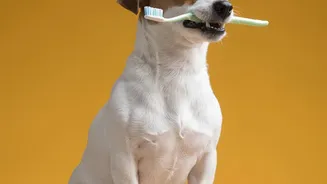
The good news is that periodontal disease is largely preventable. The gold standard for at-home care is daily tooth brushing with a pet-specific toothpaste. Never use human toothpaste, as it can be toxic to pets. If brushing isn't possible, dental chews, special diets, and water additives approved by the Veterinary Oral Health Council (VOHC) can help reduce plaque. However, at-home care cannot remove tartar that has already formed below the gumline. For this, professional dental cleanings under anesthesia are essential. Your veterinarian will perform a thorough cleaning, take X-rays to assess the health of the tooth roots, and address any existing disease.