






Pack Fabrics That Forgive the Rain
Monsoon travel demands a specific wardrobe. Heavy fabrics like denim and thick cotton are a traveller's enemy; they soak up water and can take days to dry in the humid air, leading to a musty smell. Instead, your suitcase should be filled with lightweight,
synthetic clothes. Think quick-dry shirts, travel trousers made of nylon or polyester, and other moisture-wicking materials. These fabrics not only dry faster but also pack lighter. A lightweight rain jacket with a hood is a non-negotiable item, often proving more practical than an umbrella, which can be useless against windy gusts. For footwear, choose waterproof sandals or floaters with a good grip. They allow your feet to dry quickly and prevent slips on wet, mossy surfaces. Avoid leather shoes and heavy sneakers that will turn into damp, heavy burdens.
Waterproof Your Valuables
A sudden downpour can threaten your most important items: your phone, camera, passport, and wallet. Don't rely on your backpack being 'water-resistant'. Invest in a proper waterproof cover for your main bag. For electronics and documents, a multi-layered defence is best. Use waterproof pouches or dry bags for guaranteed protection. Even simple zip-lock bags can serve as an excellent, low-cost barrier against moisture for cash, cables, and medication. It’s a good habit to keep a couple of extra plastic bags handy for any eventuality. To combat the pervasive humidity that can seep into everything, toss a few silica gel packets into your luggage and electronics case to absorb excess moisture and prevent dampness.
Prioritise Your Health and Safety
The monsoon season can bring an increase in waterborne diseases and mosquito populations. It's crucial to be vigilant about what you eat and drink. Avoid street food, especially items that may have been washed with contaminated water or have been sitting out. Stick to bottled, sealed water, or carry your own filtered water. A basic first-aid kit is essential. It should include insect repellent, antiseptics for cuts, medication for stomach issues, and band-aids. Mosquitoes are more than just an annoyance; they can carry diseases like dengue and malaria. Using repellent and wearing long-sleeved clothing, especially during the evenings, is a simple and effective preventive measure.
Plan Your Journey with Caution
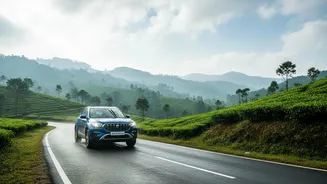
If you're planning a road trip, preparation is key. Before you start, check that your car’s wipers, tyres, and brakes are in excellent condition. Wet roads dramatically increase braking distances, so reduce your speed and maintain a much larger gap than usual between you and the vehicle ahead. Visibility is often poor, so use your low-beam headlights even during the day. Be prepared for unexpected delays. Landslides and waterlogging can cause significant traffic jams. It’s wise to keep your fuel tank topped up and have snacks, water, and a power bank in the car. Avoid driving through flooded streets if you can't gauge the depth; it's always better to find an alternative route.
Build a Flexible Itinerary
Monsoon travel is unpredictable. Heavy rain can derail a packed schedule of outdoor activities. The smartest approach is to build flexibility into your plans. For every outdoor plan, have an indoor backup. This could be a visit to a local museum, exploring a quaint cafe, indulging in a spa treatment, or even attending a cooking class. Research your destination to ensure it offers a good mix of indoor and outdoor attractions. It’s also wise to avoid tight connections between flights or trains, as delays are common. Give yourself buffer days to account for weather-related disruptions. The key is to work with the weather, not against it.