



The Dangers of Damp Paws
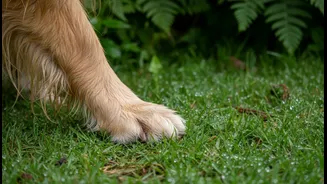
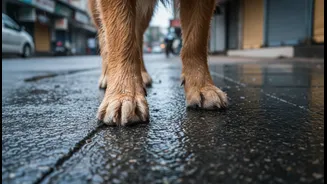
The area between your pet's paw pads, known as the interdigital space, is a warm, cosy spot that rarely gets enough air. During the monsoon, this area becomes a magnet for moisture. Constant dampness from walking on wet grass and muddy paths creates the perfect
environment for bacteria and fungi to thrive. These microorganisms can lead to a condition called pododermatitis, which is a general term for inflammation of the paw skin. It can cause intense itching, redness, and discomfort, making every step painful for your pet. Furthermore, stagnant water can harbour dangerous bacteria like leptospirosis, which can enter the body through small cuts on the paws.
Common Monsoon Paw Problems
Excessive moisture during the rainy season can lead to several specific issues. Fungal infections, particularly from yeast, are very common. You might notice a musty odour or brown staining on the fur between their toes. Bacterial infections can also cause small, painful boils or cysts to form. Another common issue is hot spots, or acute moist dermatitis, which are red, raw, and weeping sores that can appear suddenly and spread quickly, often caused by the pet licking an already irritated area. Constant licking and chewing at the paws is often the first and most obvious sign that something is wrong.
The 2-Minute Daily Paw Check
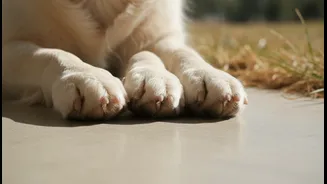
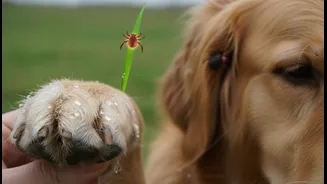
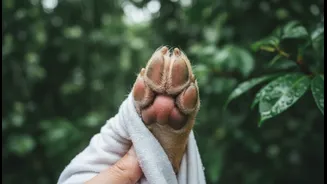
Making a paw check part of your daily routine is the single most effective way to catch problems early. After your last walk of the day, once the paws are clean and dry, take a couple of minutes to inspect them. Gently hold your pet's paw and spread the toes to get a clear look at the skin in between. Look for redness, swelling, unusual discharge, or any cuts and scrapes. Feel for any lumps or sensitive spots. Don't forget to give the paws a quick sniff; a foul or yeasty smell is a clear red flag. Making this a positive experience with treats and praise will help your pet relax and cooperate.
Post-Walk Cleaning and Drying
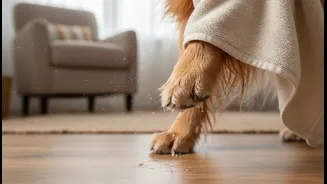
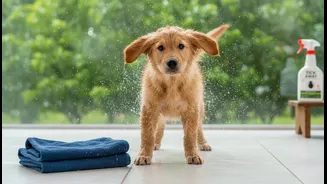
Proper cleaning after a walk is non-negotiable during the monsoon. Simply wiping with a dry towel is not enough. The goal is to remove mud and potential contaminants, then dry the area completely. Use lukewarm water to rinse the paws, paying special attention to the gaps between the pads. A soft microfibre towel is excellent for drying, as it is highly absorbent. Make sure you gently dry between each toe, as this is where moisture loves to hide. For long-haired breeds, keeping the fur around the paws trimmed short can significantly reduce the amount of water and mud that gets trapped.
When to Visit the Veterinarian
While daily checks can prevent many issues, some signs warrant immediate professional attention. If you notice your pet is limping, persistently licking a paw to the point of creating a raw spot, or if you find a swelling that is painful to the touch, it's time to call the vet. Any discharge like pus or blood, or a foul odour that doesn't go away with cleaning, also requires a veterinary diagnosis. These could be signs of a deep infection or an embedded foreign object, like a piece of glass, that needs to be addressed professionally. Early veterinary intervention can prevent the problem from becoming chronic and much harder to treat.