






The Golden Age of Free Access Is Over
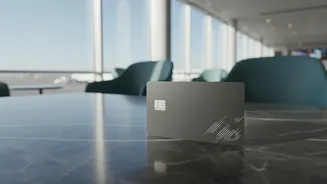
Not long ago, flashing a mid-tier credit card was enough to trade a chaotic terminal for a quiet space with free food and Wi-Fi. This perk, once reserved for the most elite travellers, became a standard feature on many entry-level and lifetime-free cards,
making it a status symbol for a new generation of workers. However, a wave of changes implemented by major Indian banks and card networks like RuPay, Visa, and Mastercard has brought this to a halt. Now, instead of automatic access, most cards require you to meet a minimum spending threshold in the previous quarter to unlock lounge visits for the current one. For example, some ICICI Bank cards now require a spend of ₹35,000 in a quarter, while certain BOBCARD variants have raised their threshold to ₹75,000. Even some popular cards, like the Airtel Axis Bank Credit Card, have removed complimentary domestic lounge visits entirely.
Why Banks Are Tightening the Purse Strings
The reason behind this shift is simple economics. The surge in air travel post-pandemic, coupled with the widespread availability of lounge-enabled cards, led to severe overcrowding. Lounges started to resemble crowded food courts, diminishing the premium experience they were meant to offer. For banks, the costs became unsustainable. They pay lounge operators a fee for every customer who enters using their card, a cost that was originally intended for high-spending, profitable customers. Instead, many people acquired cards solely for lounge access and used them sparingly otherwise. By linking access to spending, banks are ensuring the perk is reserved for active, engaged customers who generate revenue, rather than those who simply hold the card for its benefits.
Young Professionals Feel the Squeeze
These changes disproportionately affect young professionals and recent graduates. This demographic, often holding their first premium credit cards, were the primary beneficiaries of the old system. They embraced lounge access as an affordable luxury that made frequent work or leisure travel more comfortable. Now, meeting quarterly spending targets of ₹35,000 or more can be a challenge for those with entry-level salaries or who are just starting to build their financial footprint. Cards that were once marketed as a gateway to a premium lifestyle now come with significant strings attached, forcing many to reconsider the value proposition of their so-called 'premium' plastic.
New Strategies to Reclaim Your Lounge Access
All is not lost, but it does require a more strategic approach. The key is to shift your mindset from passively having a benefit to actively earning it. Start by reviewing the new terms and conditions for your existing cards. Consolidate your monthly spending—groceries, bills, and online shopping—onto a single card to meet its quarterly threshold more easily. It's no longer enough to just carry the card; you must use it. For those who can meet higher spending levels, exploring mid-tier cards like the Axis Atlas or SBI Card Miles Elite might offer more structured and reliable access. Some newer, lifetime-free cards, such as the Scapia Federal Bank Card, offer unlimited domestic access, but still require a minimum monthly spend to unlock it. The lesson is clear: monitor your spending, understand the rules, and choose a card that aligns with your financial habits.
The Future of Airport Perks
The trend is clear: airport lounge access in India is evolving from a mass-market giveaway into a targeted reward for loyalty and spending. While this may feel like a downgrade for many, it's a necessary market correction for banks aiming for a sustainable business model. For young workers, this change demands greater financial literacy and planning. It’s a call to look beyond the flashy welcome benefits and assess whether a card's long-term value justifies its conditions. The pre-flight calm of the airport lounge is still within reach, but now, you have to prove you’ve earned your seat at the table.