






The New Fourth Meal
Across India's bustling cities, a quiet revolution is unfolding in the dead of night. The traditional rhythm of three meals a day is being rewritten by a generation that works, socialises, and relaxes on a different schedule. The 'fourth meal', consumed
between 11 p.m. and 3 a.m., has transitioned from a rare craving to a significant consumption trend. This is not just about staving off hunger; it's a cultural shift reflecting deeper changes in work, leisure, and urban life. Reports indicate that late-night food delivery has doubled over the past year, with a significant surge in orders placed in the early hours. This phenomenon, driven by young consumers, shows that sleep and meal timings have fundamentally changed, with many staying awake until 2 or 3 a.m. This late-night meal has become an established part of the daily routine for students, young professionals, and night-shift workers.
Drivers of the Midnight Craving
So, what is fuelling this nocturnal appetite? The reasons are multifaceted. The rise of remote work and flexible schedules has blurred the lines between day and night, leading to altered dietary habits and irregular meal timings. Long working hours and the stress of modern jobs leave many seeking a moment of affordable indulgence and comfort at the end of a long day. Furthermore, the binge-watching culture, powered by streaming services, has turned late nights into prime entertainment hours, with snacks and meals becoming the perfect companion. Major sporting events, like the recent FIFA World Cup with its late-night broadcasts in India, have also significantly accelerated this trend, with demand for deliveries surging during match times. This combination of work pressures, a desire for personal time, and new forms of entertainment has created the perfect storm for the midnight meal to thrive.
The Late-Night Menu
When hunger strikes after midnight, young India reaches for a mix of comfort and convenience. According to data from food delivery platforms, pizzas and burgers are among the most popular choices for orders placed between 11 p.m. and 3 a.m. Chicken biryani and chicken rolls also feature prominently on the late-night favourites list. However, it's not all fast food. There's a strong demand for desserts, with items like choco lava cake being ordered millions of times. In some cities, masala dosa has emerged as a surprisingly popular late-night order. Beyond full meals, snacks like ice cream, frozen treats, and chocolates see a significant uptick, facilitated by the rise of quick commerce platforms. This diverse menu shows that midnight eaters seek everything from hearty meals to satisfying snacks and sweet rewards.
The Engine of the Era: Food Tech and Cloud Kitchens
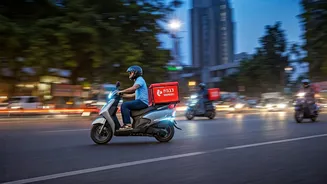
This entire trend is enabled by a sophisticated ecosystem of food delivery platforms and cloud kitchens. Companies like Swiggy and Zomato have not only created a marketplace but have also enhanced serviceability during late hours, resulting in a 50% increase in the number of active restaurants at night. This has made ordering food at 2 a.m. as seamless as ordering lunch. In response, quick-service restaurants are extending their hours, with some McDonald's and Domino's outlets now delivering until 3 a.m. in major cities. This demand has also fuelled the explosive growth of the cloud kitchen market in India, which is projected to reach over USD 3.6 billion by 2034. These delivery-only kitchens are perfectly suited to cater to late-night orders, operating with lower overheads and capitalising on the demand for convenient, on-demand food.
Beyond the Metros
While this trend is most pronounced in major metros like Bengaluru, Hyderabad, and Mumbai, which record the highest volume of overnight orders, the midnight meal era is not confined to Tier-1 cities. The habit is showing robust growth in Tier-2 and Tier-3 markets as well. Cities such as Surat, Thiruvananthapuram, and Patna are also witnessing a strong increase in late-night order activity. This expansion indicates a broader lifestyle shift across the country, driven by increasing internet penetration and the universal appeal of convenience. As food delivery platforms expand their reach and more restaurants in smaller cities adapt to late-night operations, the fourth meal is set to become a permanent feature of Indian food culture nationwide.