


The Appeal of a Blank Spot on the Map
First, let's get oriented. For most travelers, even seasoned ones, Zanskar is little more than a name associated with extreme treks. Tucked away in the Indian Himalayas, it's a sub-district of Kargil in Ladakh, geographically isolated by the formidable
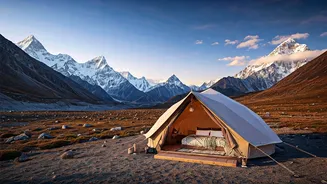
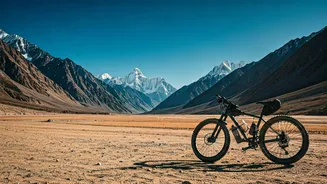
Zanskar Range. Until recently, it was cut off by snow for more than half the year. This isolation is its superpower. While popular hill stations have bowed to the pressures of commercial tourism, Zanskar remains a high-altitude cold desert that feels like another planet. It’s a land of raw, elemental beauty—of dust, rock, ice, and sky—that hasn’t been manicured for mass consumption. The reward for getting here is a profound sense of discovery, a feeling that’s become vanishingly rare in modern travel.
An Epic Road Trip, Not a Casual Drive
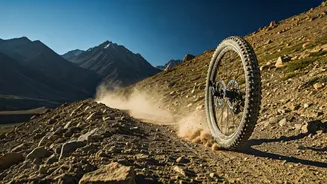
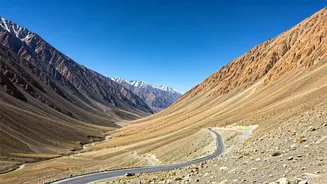
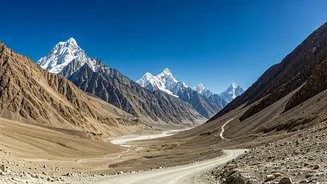
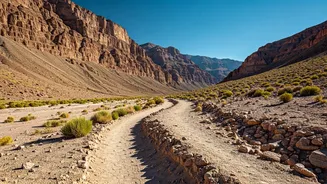
The headline says “drive,” and that’s the heart of the experience. You don’t just arrive in Zanskar; you earn it. The classic route is from Manali, over the newly opened Shinku La pass, or from the other side via Kargil. This isn’t a leisurely cruise. It’s a multi-day journey on roads that are often just gravel tracks carved into mountainsides. You’ll ford glacial streams, navigate hairpin bends with dizzying drops, and feel a deep connection to the landscape you’re traversing. Every pass crossed feels like an achievement. The vehicle becomes your lifeline, the journey itself more memorable than any single destination. It’s a trip for those who believe that the adventure should start the moment you turn the ignition, not when you check into a hotel.
Scenery That Humbles You
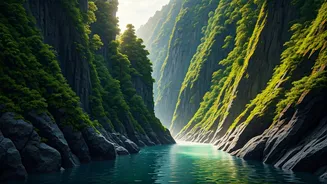
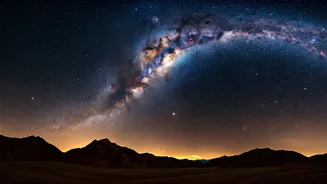
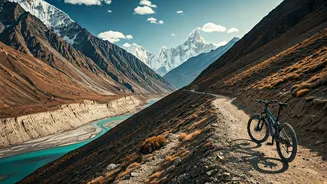
The landscapes here operate on a different scale. Forget rolling green hills; Zanskar offers geological drama. You'll see mountains folded and twisted into impossible shapes, their barren slopes painted in shades of ochre, purple, and brown. The Zanskar River, a ribbon of turquoise or churning brown depending on the season, carves its way through deep gorges. Glaciers, like the colossal Drang-Drung Glacier, hang from peaks and spill into valleys. The sky is a piercing, high-altitude blue, and at night, with zero light pollution, the Milky Way is so clear it feels close enough to touch. This is a place that recalibrates your sense of scale and makes you feel powerfully, wonderfully small.
Culture Frozen in Time
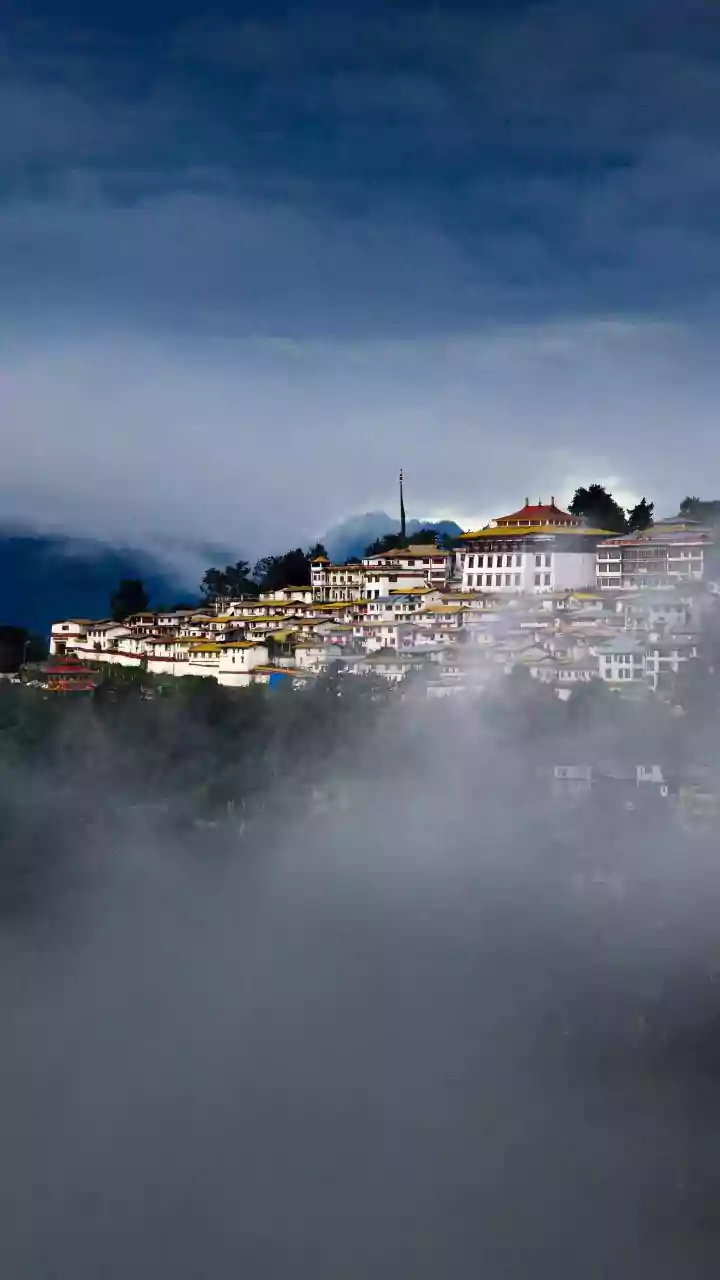
Zanskar is a bastion of Tibetan Buddhist culture. Its remoteness has preserved a way of life that has vanished elsewhere. The highlights are the ancient monasteries, or 'gompas,' that seem to grow organically from the cliffs. Phuktal Monastery, one of the most spectacular, is built into the mouth of a cave and accessible only by a multi-hour trek. Others, like Karsha or Stongdey, command staggering views over the valley. Visiting them isn’t a sanitized tourist experience. You’ll be welcomed by monks, share butter tea, and witness rituals that have been practiced for centuries. It’s an immersion in a world governed by seasons and faith, not by the clock.
The Practical Side of Raw Adventure
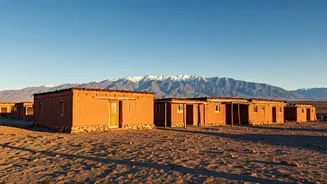
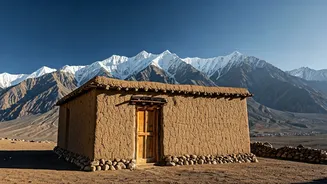
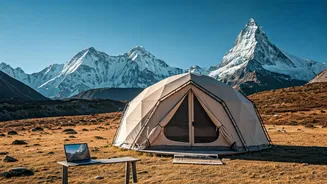
This kind of trip requires a shift in mindset. Zanskar is not about luxury. Accommodations are simple, often family-run guesthouses or homestays. Food is basic but hearty. You need to be prepared for the altitude (most of the valley is above 12,000 feet) and give your body time to acclimatize. A reliable 4x4 vehicle is non-negotiable, as are buffer days in your itinerary for unpredictable weather or road closures. This isn't a flaw; it's part of the appeal. The journey demands self-reliance and flexibility, but the payoff is an unfiltered experience that feels entirely your own. Forget online bookings and rigid schedules; embrace the spirit of exploration.