








The Pre-Monsoon Fridge Audit
Before the heavy rains set in, give your refrigerator a thorough check-up. The high humidity during the monsoon creates a breeding ground for bacteria and mould. Start by emptying it completely. Clean all shelves, drawers, and walls with a solution of
warm water and vinegar to disinfect and deodorise. Pay special attention to the rubber gaskets on the door, wiping them down to ensure a tight seal that keeps the cool air in and moist air out. According to the Food Safety and Standards Authority of India (FSSAI), it's crucial to defrost and clean your fridge regularly, ideally every two weeks during the monsoon, to prevent contamination.
Strategic Stocking: What to Buy and Avoid
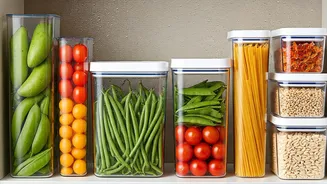
Monsoon is not the time for bulk buying fresh produce, especially leafy greens, which spoil quickly in high humidity. Instead, opt for smaller, more frequent trips to the market. Stock up on vegetables that have a longer shelf life, like gourds (lauki, karela), pumpkins, and root vegetables. When you bring produce home, wash it thoroughly, sometimes with salt water, and dry it completely before storing. Never store wet vegetables in the fridge, as this accelerates spoilage. For your pantry, stock up on staples like dals, rice, atta, and pulses, but store them in airtight containers to protect them from moisture and pests.
The Art of Smart Arrangement
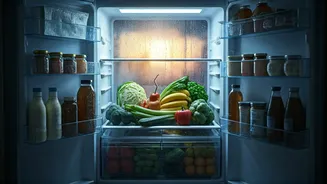
How you arrange your fridge is critical for food safety and longevity. The back of the fridge is the coldest part, so store items that spoil quickly, like milk, paneer, and other dairy products, there. Place raw meat and fish on the bottom shelf in sealed containers to prevent their juices from dripping onto other foods. Cooked leftovers should be stored in airtight containers on the middle or top shelves and consumed within two to three days. The fridge door is the warmest part, so it's best for condiments, sauces, and pickles, not milk. To combat humidity inside, you can line your vegetable crisper with paper towels to absorb excess moisture.
Your Power Cut Action Plan
Power cuts are a monsoon reality in many parts of India. The most important rule during an outage is to keep the refrigerator and freezer doors closed. A closed fridge can keep food safe for about four hours, while a full freezer can last up to 48 hours. Before the season starts, freeze some bottles of water and place them in any empty spaces in your freezer. If the power goes out, you can move these to the refrigerator compartment to act as ice packs, extending the time your food stays cool. Having an appliance thermometer inside your fridge is a good idea to check if the temperature has risen above 4°C, after which perishable food may be unsafe to eat. When in doubt, it is always safer to throw it out.
Managing Leftovers and Minimising Waste
During the monsoon, it's best to cook fresh and in smaller quantities to avoid having too many leftovers. If you do have leftovers, cool them down quickly and store them in the fridge in airtight containers as soon as possible. Repeatedly reheating food can encourage bacterial growth, so try to heat only the portion you plan to eat. Using clear, airtight containers helps you see what you have, reducing the chances of food getting forgotten and spoiling. Labelling containers with the date can also help you follow the 'first in, first out' rule, ensuring older items are used before they go bad.