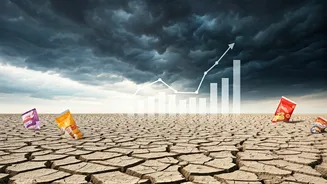









What is 'Weather Mode' Pricing?
For decades, the price of your monthly groceries was influenced by predictable factors like input costs, competition, and marketing spends. That era is fading. 'Weather mode' signifies a major shift where the primary driver of price volatility for Fast-Moving
Consumer Goods (FMCG) is now the climate itself. Just as a delayed monsoon can devastate a farmer's crop, it now sends immediate ripples through the supply chain, affecting the cost of everything from wheat for biscuits to botanicals for hair oil. Companies are now forced to watch weather charts with the same intensity as commodity traders, making pricing decisions based on monsoon forecasts, heatwave warnings, and El Niño predictions.
More Than Just a Bad Monsoon
The link between Indian agriculture and the monsoon is ancient. What's new is the frequency and intensity of extreme weather events. Recent years have seen erratic rainfall, with record dry spells followed by intense floods, alongside punishing heatwaves. These are no longer once-in-a-decade events but an annual concern. A severe heatwave can stunt crop growth, reducing yields of essentials like wheat and tomatoes, while a weak or delayed monsoon can impact rice, sugar, and oilseeds. This directly raises the cost of raw materials for FMCG firms, creating a cost pressure that is inevitably passed on to consumers. The India Meteorological Department's forecasts are now critical inputs for corporate strategy.
The Most Vulnerable Aisles
Not all products are equally affected. The most vulnerable categories are those heavily dependent on agricultural inputs. This includes packaged foods like biscuits, noodles, and snacks, which rely on wheat, sugar, and edible oils. Beverages, including juices and dairy products, are also highly sensitive to fluctuations in fruit and fodder availability, which are tied to weather. Even the personal care aisle isn't immune; soaps and cosmetics use palm oil and other plant-based derivatives whose prices are volatile. For instance, a weak monsoon can impact rural incomes first, leading to a slowdown in sales of impulse items like confectionery and small-ticket personal care products.
The Corporate Playbook for Climate Volatility
How are companies responding to this new, unpredictable environment? The first and most common response is direct price hikes to protect margins. However, in a price-sensitive market like India, this is a risky move. Therefore, many are turning to a subtler tactic: 'shrinkflation'. This involves reducing the grammage or size of a product while keeping the price point the same—your favourite biscuit packet might get a little lighter, or your chocolate bar a bit smaller. Beyond pricing, firms like Dabur and Godrej Consumer Products are diversifying their sourcing networks to reduce dependency on a single region and building resilience against localised weather shocks. Some are also innovating their portfolios to create 'all-season' products that are less dependent on specific weather-driven consumption patterns.
The New Climate for Consumers
For the Indian consumer, this new era of FMCG pricing means one thing: uncertainty. The stable, predictable pricing of everyday essentials is becoming a thing of the past. Just as you might see surge pricing for a cab during a downpour, you can now expect the price of your groceries to be more reactive to environmental factors. While the recent scorching heatwave boosted sales of cooling products like beverages and air conditioners, it also put pressure on other categories like tea and biscuits. This trend widens the gap between rural and urban consumption, as falling farm incomes during a poor monsoon hit rural demand hardest. Ultimately, budgeting for household expenses now requires an awareness that prices are no longer just set in a boardroom; they are increasingly dictated by the weather outside.