





Not All Fats Are Created Equal
The conversation has shifted from “eat less fat” to “eat better fats.” The main culprits to watch out for are industrial trans fats, found in ultra-processed foods, and an over-reliance on saturated fats. On the other hand, unsaturated fats are considered
beneficial for health. These are the “healthy fats” that play a crucial role in our well-being. They provide energy, support cell growth, help produce essential hormones, and are necessary for absorbing vitamins A, D, E, and K. The key is to replace unhealthy fats with healthier ones.
Your Heart's Best Friends: MUFAs and PUFAs
Healthy fats are broadly divided into two categories: monounsaturated fats (MUFAs) and polyunsaturated fats (PUFAs). Both are celebrated for their heart-protective qualities. PUFAs include the well-known omega-3 and omega-6 fatty acids, which are considered essential because our bodies cannot produce them on their own; we must get them from food. Foods rich in MUFAs include olive, peanut, and canola oils, avocados, and nuts like almonds. PUFAs are abundant in fish, walnuts, flax seeds, and oils like sunflower and soybean oil.
The Science of Heart Protection
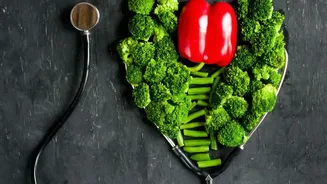
So, how exactly do these fats protect your heart? Their primary benefit is their ability to improve blood cholesterol levels. Replacing saturated fats with unsaturated fats can help lower low-density lipoprotein (LDL) cholesterol, often called “bad” cholesterol, which is a major contributor to plaque buildup in the arteries. At the same time, they can help maintain or even increase high-density lipoprotein (HDL), or “good” cholesterol. Omega-3 fatty acids, a type of PUFA, are particularly beneficial, helping to lower triglycerides (another type of fat in the blood), reduce inflammation, and potentially stabilise arterial plaque, making it less likely to cause a heart attack.
Finding Healthy Fats in the Indian Kitchen
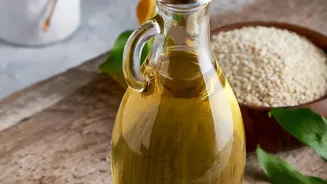
The good news is that traditional Indian kitchens are already stocked with excellent sources of healthy fats. Cold-pressed mustard oil, a staple in North India, is rich in MUFAs and has a favourable balance of omega-3 and omega-6 fatty acids. Groundnut oil and sesame oil are other great traditional choices. Nuts and seeds like almonds (badam), walnuts (akhrot), flaxseeds (alsi), and sesame seeds (til) are nutritional powerhouses, delivering healthy fats, fibre, and essential minerals. For non-vegetarians, fatty fish like mackerel (bangda) and salmon (rawas) are prime sources of omega-3s.
What About Ghee?
No discussion of fat in an Indian diet is complete without mentioning ghee. Made of saturated fat, its role in heart health has been debated. However, traditional wisdom and some modern research suggest that ghee, when used in moderation, is not the villain it was once made out to be. It's a source of fat-soluble vitamins like A, D, and E. The key is moderation. Using a teaspoon of ghee for flavour on a roti or in dal is very different from using it as the primary cooking medium for every meal. When used judiciously alongside a diet rich in unsaturated fats, ghee can be part of a balanced approach.
Easy Swaps for Daily Meals
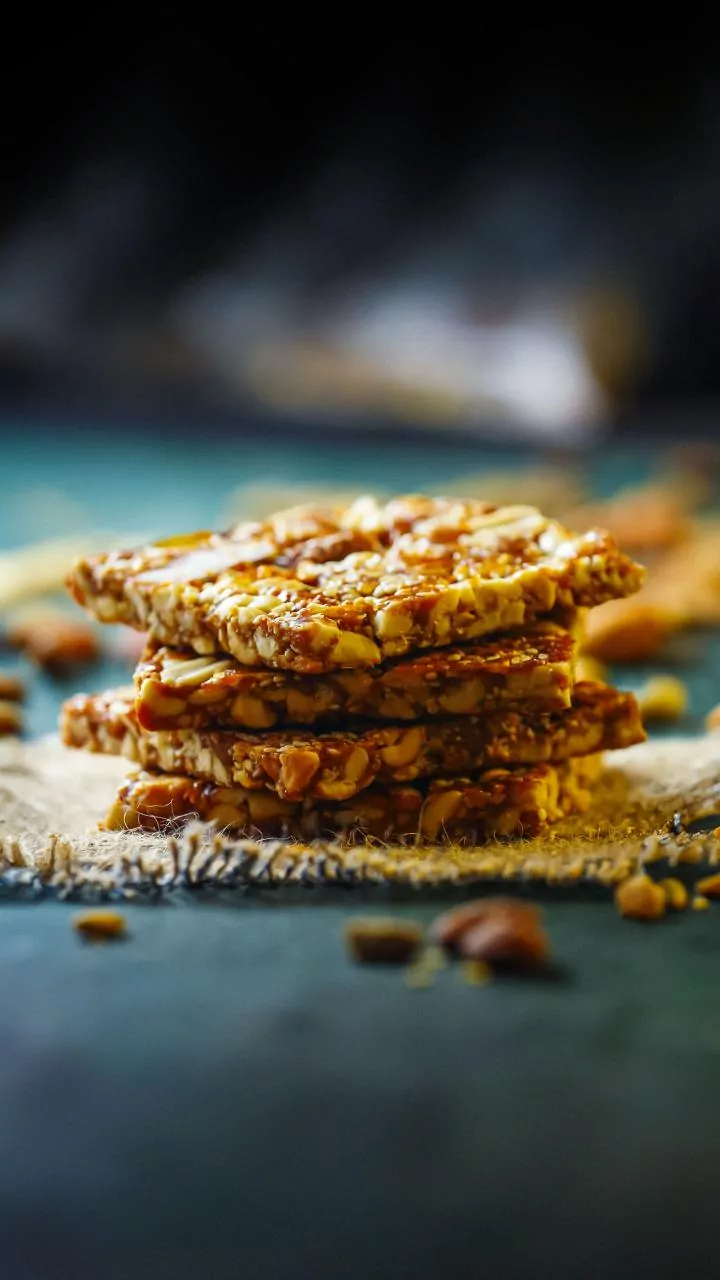
Optimising your meals for heart health doesn't require a radical overhaul. Start with simple, effective swaps. Instead of refined vegetable oils, which can have an unfavourable omega-6 to omega-3 ratio, opt for traditional cold-pressed oils like mustard, groundnut, or sesame oil for daily cooking. Make a handful of mixed nuts and seeds your go-to evening snack instead of fried or packaged options. Try incorporating seeds like flax or sesame into your roti dough or sprinkling them over salads and yoghurt. When preparing fish, choose to grill or steam it instead of deep-frying to preserve its healthy fats. These small changes, when done consistently, contribute significantly to a healthier heart.