





The Fairytale Finale
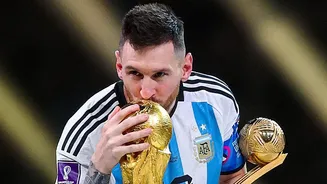
It was the ending that Hollywood scriptwriters would have dismissed as too perfect. Lionel Messi, arguably the most gifted player in history, had one gaping hole in his resume: the FIFA World Cup. At 35, the 2022 tournament in Qatar was his last dance,
his final opportunity to claim the one prize that had eluded him. What followed was a cinematic journey of redemption and destiny. After a shocking opening loss to Saudi Arabia, a resilient Argentinian squad, built firmly around their captain, fought their way to the final. The match against France is already considered one of the greatest finals ever played. Messi scored twice, coolly dispatched a penalty in the shootout, and finally, lifted the golden trophy high into the desert night. This was not just a victory; it was a coronation. The 'grand farewell match' wasn't one single exhibition game but the entire tournament, culminating in a final that served as the perfect, glorious goodbye to a storied international career. He had delivered the dream for his nation, and in doing so, completed football.
A King's Controversial Abdication
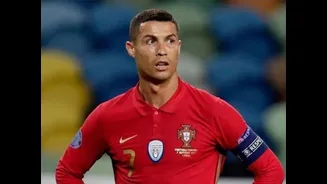
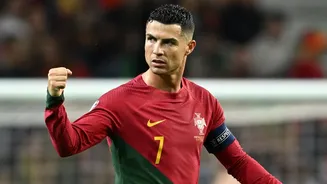
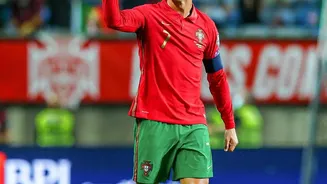
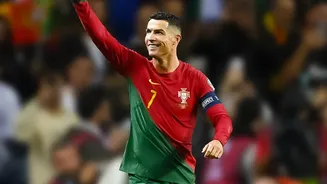
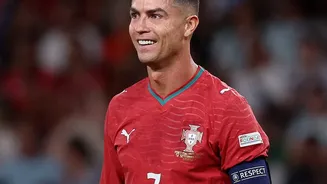
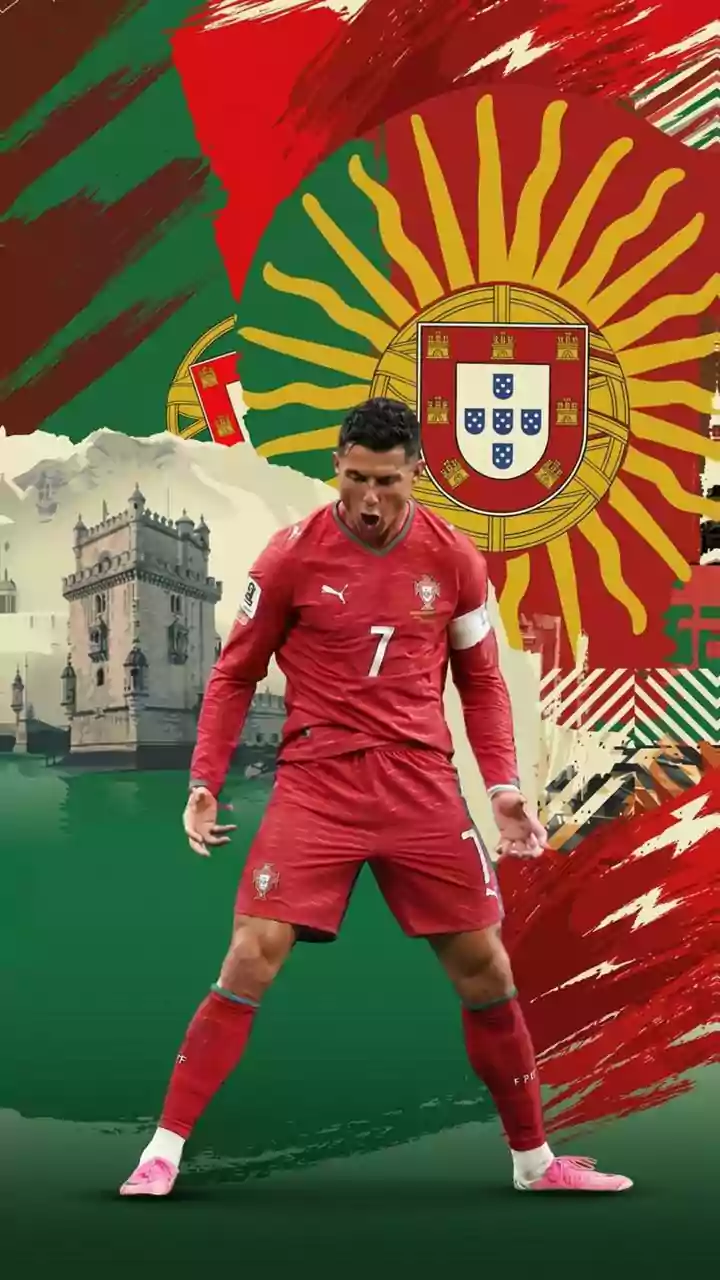
While Messi was finding his ultimate team success, Cristiano Ronaldo's final World Cup campaign descended into a personal and public relations nightmare. The turmoil began even before the tournament, with an explosive television interview where he criticised his club, Manchester United, and its manager. The controversy followed him to Qatar, creating a tense atmosphere around the Portuguese camp. After the group stage, the unthinkable happened: Ronaldo, Portugal's all-time leading scorer and captain, was benched for the crucial Round of 16 match against Switzerland. His replacement, Gonçalo Ramos, scored a hat-trick. Ronaldo was again left out of the starting lineup for the quarter-final against Morocco. When he came on as a substitute, he couldn't turn the tide, and Portugal was eliminated. The final images of Ronaldo's World Cup were not of glory, but of him walking down the tunnel alone, in tears. It was a messy, bitter, and controversial exit, an unfitting end for a player who had given so much to his national team.
The Anatomy of Two Endings
How did two players who defined an era end their international journeys on such divergent paths? The answer lies in teamwork and temperament. Messi's final act was a lesson in humility and collective will. He adapted his game, trusting younger players like Enzo Fernández and Julián Álvarez, and in return, they played to make his dream a reality. The entire Argentine squad was a cohesive unit with a single goal: win it for Leo. Theirs was a story of unity. Conversely, Ronaldo's final tournament was a story of friction. His immense self-belief, the very engine of his success, seemed to clash with the team's evolution under coach Fernando Santos. While Messi became the quiet, gravitational centre of his team, Ronaldo's presence became a point of contention. The decision to bench him, while shocking, was seen by some as a necessary move for the team to play a more fluid, modern style. It highlighted a painful transition from an era where the team was built entirely around him.
Two Legacies, Two Final Chapters
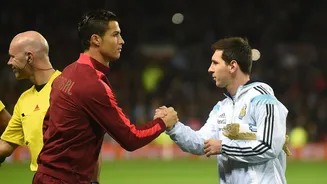
Both Messi and Ronaldo will forever be remembered as legends of the sport. Their rivalry pushed them to unprecedented heights, and their records will stand for decades. Yet, their final international chapters will colour their legacies in distinct ways. Messi's story is now complete; the individual genius who finally won the ultimate team prize, achieving immortality and bringing joy to his nation. It is a narrative of perseverance and ultimate triumph. Ronaldo's international legacy is more complex. He remains a European champion and a national hero, but his exit was a stark reminder that even the greatest athletes are mortal and cannot defy time or the evolution of their teams. His departure was not a celebration but a lament, a tale of individual brilliance struggling against the dying of the light. The contrast serves as a powerful epilogue to their long and compelling rivalry, showing that in football, the manner of the goodbye can be as defining as the journey itself.