




The New Visa Reality for Indians
The biggest recent change for Indian travellers is the end of the 60-day visa-free entry scheme. In early July 2026, the Indian Embassy in Bangkok issued a travel advisory confirming this shift. Indian passport holders now fall under the Visa on Arrival
(VoA) category. This means you get your visa when you land at designated airports in Thailand. It's crucial to understand that while this is still very convenient, the rules are more formalised, and immigration officials are paying closer attention to documentation to prevent misuse of tourist visas. This change is part of a broader Thai policy to create a more uniform visa system.
The 'Show Money' Rule Explained
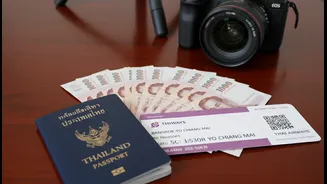
The requirement to show proof of sufficient funds is causing the most conversation, but it's not new. For years, Thai immigration law has allowed officers to ask travellers to prove they can support themselves. What's changed is the enforcement, which is reportedly becoming more frequent. For travellers using the Visa on Arrival facility, the advisory specifies carrying a minimum of 20,000 Thai Baht per person in cash (approximately ₹58,000). For a family, the amount is often cited as 40,000 THB. Immigration officials conduct these checks randomly to ensure tourists have the financial means for their stay and are not entering for other purposes, like illegal employment.
What Counts as 'Proof of Funds'?
This is a critical point of confusion. While we live in a digital world, Thai immigration advisories specifically emphasise carrying physical cash. Credit cards and bank statements on your phone are generally not accepted as a primary substitute during these spot checks. Officials may specifically ask to see cash. However, you don't necessarily need to carry the entire amount in Thai Baht. You can carry the equivalent in other major convertible currencies like US Dollars or Euros. The key is having accessible cash on hand if you are asked. The rule is in place to give officials a quick and clear way to verify a tourist's financial standing.
Your Essential Document Checklist
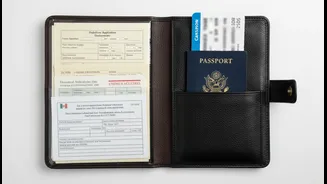
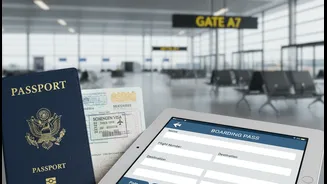
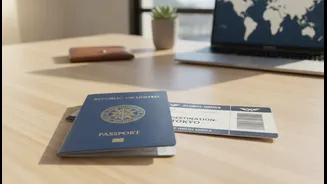
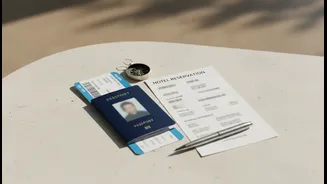
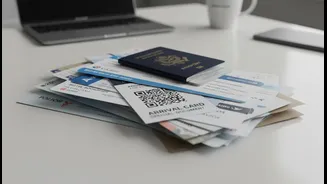
Being prepared is the best way to ensure a smooth entry. Beyond proof of funds, have these documents organised and ready for inspection. First, your passport must have at least six months of validity from your date of arrival. Second, you must have a confirmed return or onward flight ticket. A one-way ticket can be a major red flag for immigration. Third, have proof of accommodation, such as hotel booking confirmations for your stay. Finally, all travellers must complete the Thailand Digital Arrival Card (TDAC) online within 72 hours before arrival. This is mandatory and generates a QR code you may need to show.
Tips for a Hassle-Free Arrival
A little preparation goes a long way. Keep all your documents—both physical and digital copies—in an easily accessible folder. When approaching the immigration counter, be polite and confident. If you are travelling in a group, ensure each person is holding their own set of documents. Answer any questions from the officer clearly and honestly about the purpose of your trip. The increased checks are a standard procedure, not something to be anxious about if you have all your paperwork in order. These measures are primarily aimed at individuals who show patterns of misusing tourist visas, such as those with extremely frequent entries or long stays that suggest they are living in the country rather than visiting.