

A Land of Hidden Treasures
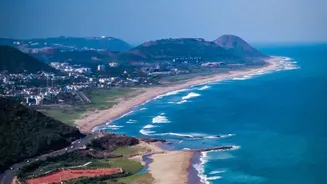
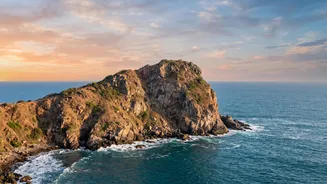
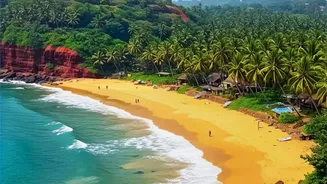
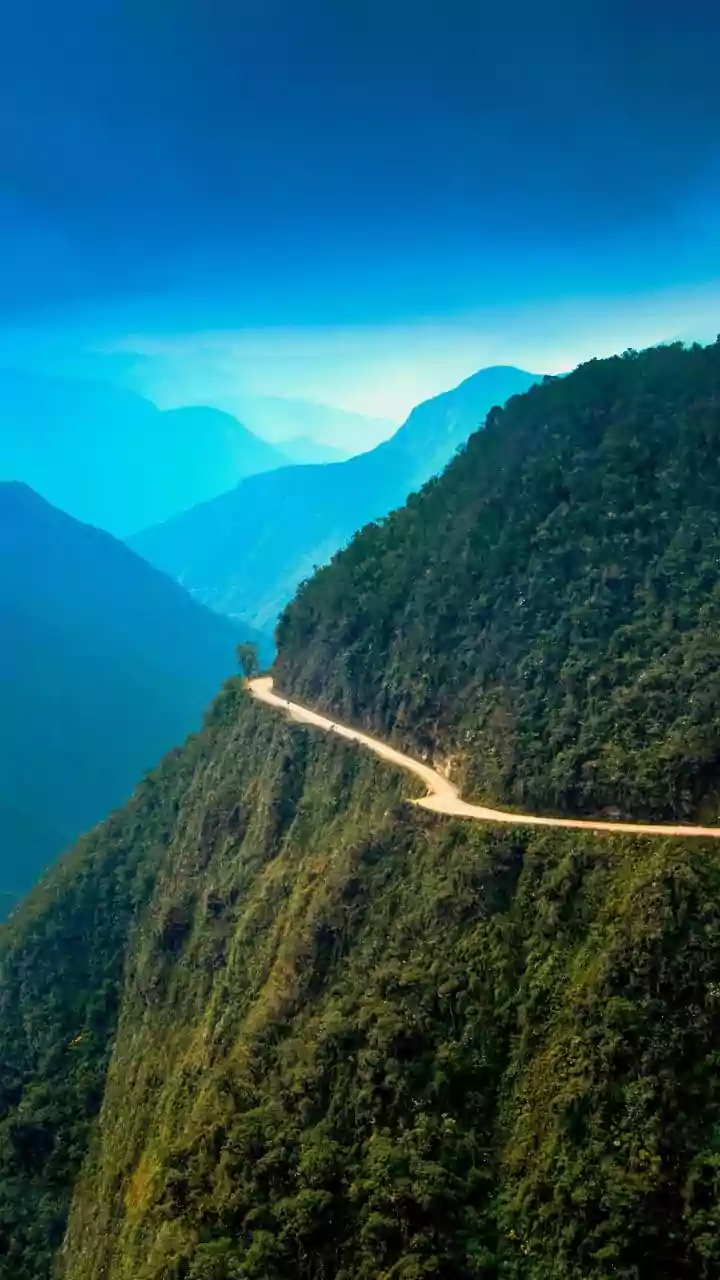
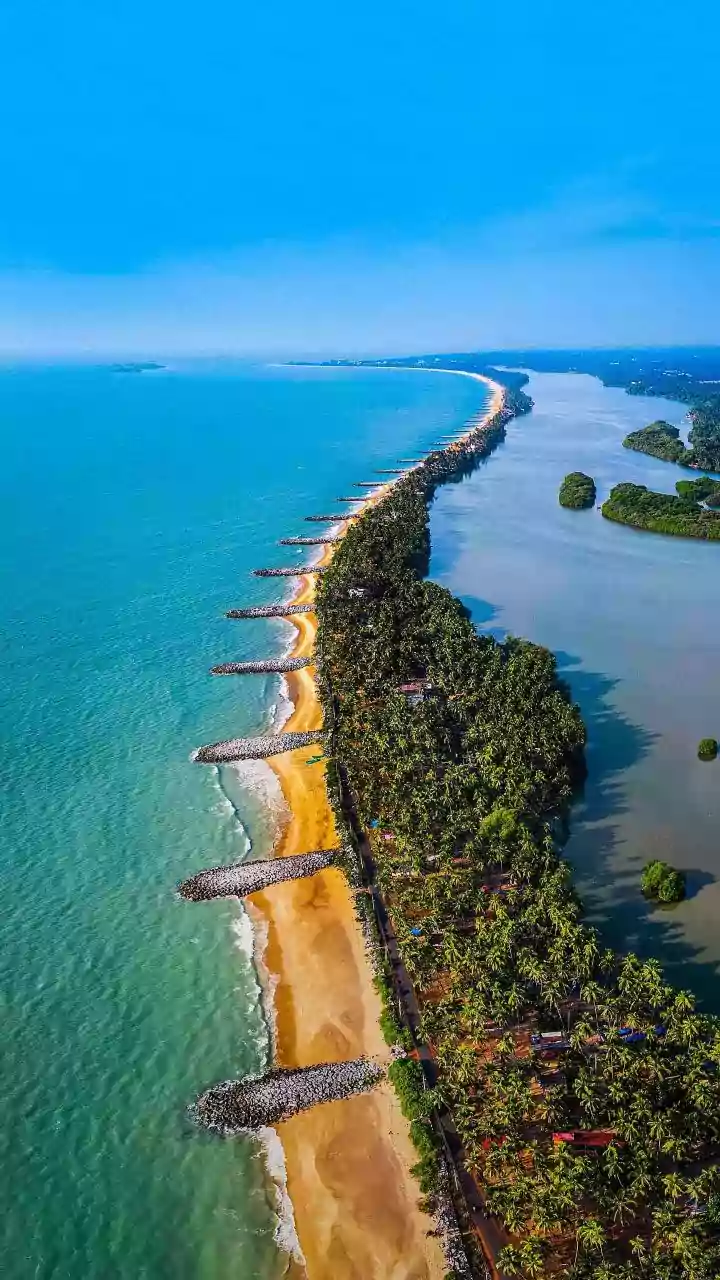
Andhra Pradesh boasts a remarkable diversity of attractions that fly under the radar of mainstream tourism. Its nearly 1,000-kilometre coastline is dotted with serene beaches like Rushikonda and Suryalanka. The Eastern Ghats conceal the misty hill station
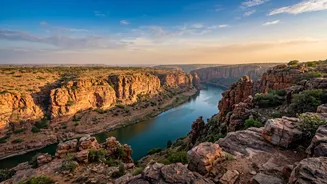
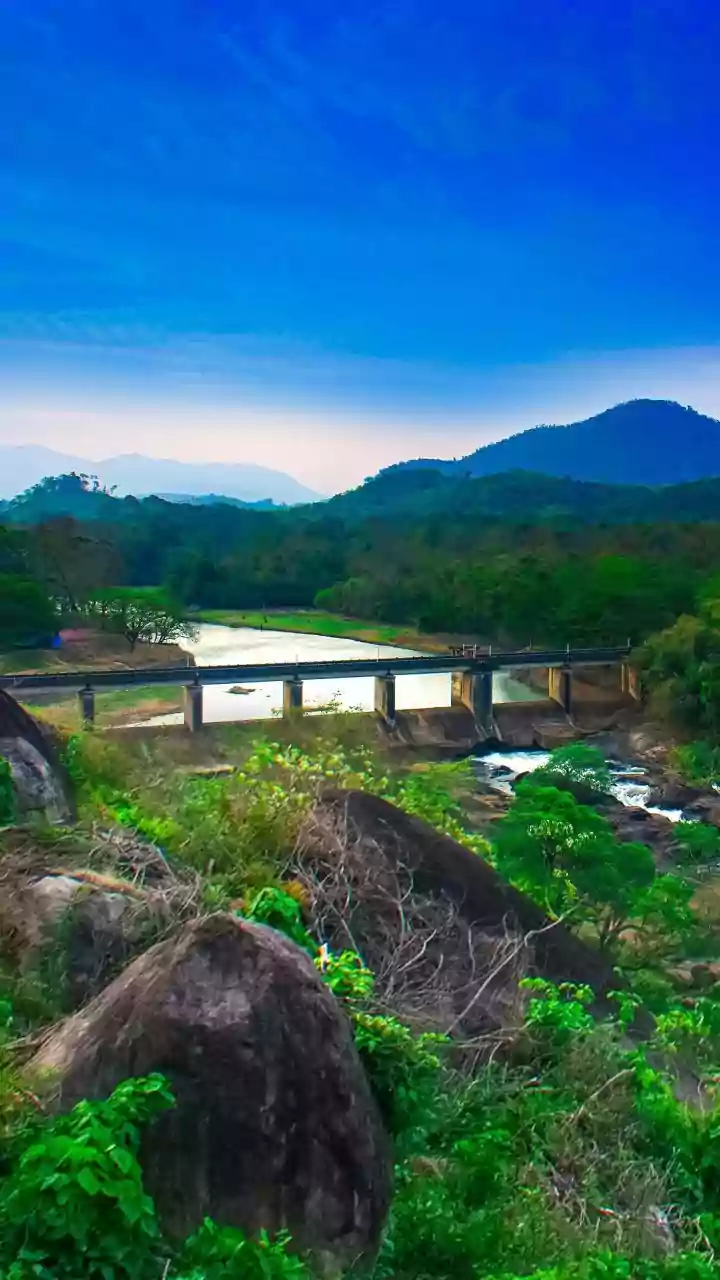
of Lambasingi, often called the 'Kashmir of Andhra Pradesh' for its cool climate, and the lush coffee plantations of Araku Valley. For history buffs, the state offers the spectacular Belum Caves, one of the largest cave systems in India, and the ancient Buddhist heritage sites at Amaravati. Then there is Gandikota, home to a formidable fort perched above a dramatic canyon carved by the Pennar River, earning it the moniker 'The Grand Canyon of India'.
The Challenge of the Last Mile
Despite this wealth of attractions, the primary challenge is getting travellers to and between them. For many destinations, the issue isn't a total lack of access, but poor last-mile connectivity and underdeveloped infrastructure. While major cities like Visakhapatnam and Vijayawada are well-connected, reaching interior gems like Gandikota or the Maredumilli forests can involve long, arduous road journeys. For example, travelling from Gandikota to Araku Valley, two of the state's star attractions, can take over 19 hours by public transport, involving multiple changes. This logistical hurdle often discourages travellers who are short on time or seeking more comfortable journeys. Furthermore, the quality of amenities, including accommodation and waterfront facilities, can be inconsistent outside the main urban centres.
Beyond the Pilgrim Trail
For decades, tourism in Andhra Pradesh has been overwhelmingly dominated by religious travel, particularly to Tirupati, which is one of the most visited pilgrimage sites in the world. While this brings a massive number of visitors to the state, it has also overshadowed its potential for leisure, adventure, and eco-tourism. Many travellers, both domestic and international, are simply unaware of the state's other offerings. Industry experts note that the state's tourism identity has been narrowly defined, and a major task is to market its diverse portfolio, from the mangrove forests of Coringa Wildlife Sanctuary to the rock formations of Orvakal Rock Garden.
A New Blueprint for Tourism
The state government is actively working to bridge these gaps. Recent tourism policies aim to attract significant private investment to build out infrastructure, with a focus on public-private partnerships (PPP). There's a concerted effort to develop high-end resorts and hotels at key destinations like Gandikota, Horsley Hills, and Visakhapatnam. The strategy involves creating themed tourism circuits—such as heritage, eco-tourism, and beach tourism—to offer more structured and accessible travel experiences. To tackle connectivity, there are plans for expanding seaplane and helicopter services to link coastal hubs with interior destinations like the Borra Caves. Projects under central government schemes like Swadesh Darshan and PRASHAD are also channelling funds into upgrading amenities at places like Simhachalam Temple and developing coastal infrastructure at Suryalanka Beach.