






The Great Indian QSR Boom
India's fast-food market is expanding at a blistering pace. The Indian QSR market, valued in the billions, is projected to grow significantly, with some estimates suggesting a CAGR of over 9% between 2026 and 2031. This growth is fuelled by rising disposable
incomes, rapid urbanisation, and the digital revolution powered by food delivery apps. While international giants have historically set the pace, a new wave is rising: a distinct and powerful craving for organised, hygienic, and convenient Indian food. Consumers, particularly health-conscious millennials and Gen Z, are actively seeking alternatives to fried, processed fast food, creating a perfect opening for a new kind of player.
Why Idli is the Perfect Candidate
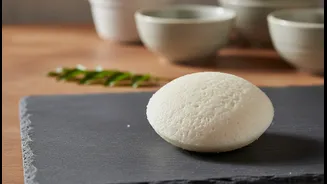
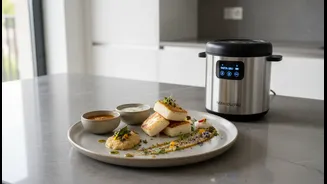
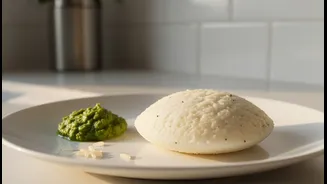
Enter the idli. On paper, it is the ideal QSR product. Its core ingredients—rice and lentils—are inexpensive and readily available, ensuring low input costs. The preparation method, steaming, is quick, energy-efficient, and scalable, a far cry from the complex and costly deep-frying or baking infrastructure other QSRs require. This translates to a lower capital investment for new outlets. Most importantly, idli ticks the box for health. It's a fermented, low-calorie, gluten-free food packed with protein and easily digestible, aligning perfectly with modern wellness trends. Its appeal is universal, cutting across all regions and age groups as a breakfast staple, a light lunch, or an evening snack.
From Commodity to Coveted Brand
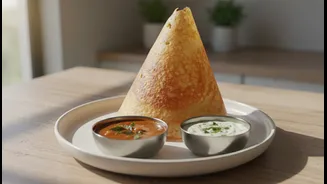
The biggest hurdle for idli is not taste or cost, but perception. For generations, it has been a homemade staple or an inexpensive street food item. The challenge lies in transforming this 'commodity' into a 'brand'. This requires more than just a good recipe; it demands consistency, impeccable hygiene, and a modern customer experience. Success will depend on standardising the taste of the idlis and, crucially, the accompanying sambar and chutneys across multiple outlets. It also means creating a brand identity that feels fresh, clean, and trustworthy, convincing customers to choose a branded idli over a cheaper, unorganised option.
The Pioneers of the Idli Economy
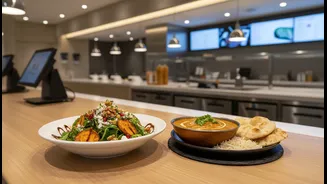
The opportunity hasn't gone entirely unnoticed. A new generation of entrepreneurs is already building scalable models around this concept. Brands like Naadbramha Idli, which started from humble beginnings, now claim to have hundreds of franchise outlets across multiple states, proving the model's viability. Others, like Idli Point and Idly Guru, are using low-cost, franchise-friendly, and even zero-franchise-fee models to expand rapidly. These new-age chains focus on operational efficiency, often using central kitchens to ensure quality control and leveraging technology like self-order kiosks and delivery platforms to enhance the customer experience. Their success demonstrates that with the right strategy, idli can indeed be the hero product of a national QSR chain.
The Winning Formula
The economics are compelling. A business model centred on a low-cost, high-volume product like idli can achieve healthy profit margins even at an affordable price point for the consumer. Key to this is a lean operational model, possibly embracing formats like cloud kitchens or small-footprint stores to minimise real estate costs, which are a major expense for any QSR. By focusing the menu on a few core items and excelling at them, these businesses can streamline their supply chain, reduce wastage, and simplify staff training—all critical factors for scalable success in the competitive food industry.