





The Universe Inside Your Gut
Your gut is home to trillions of microorganisms, including bacteria, viruses, and fungi, collectively known as the gut microbiome. Think of it as a bustling, microscopic city living inside your intestines. For a long time, the exact role of these tiny
residents was a mystery. But scientists now understand that this internal ecosystem is crucial for everything from digestion and immunity to mental health. When the 'good' microbes flourish, they help your body function optimally. But when 'bad' microbes take over, it can lead to inflammation and increase the risk for chronic conditions like heart disease, type 2 diabetes, and obesity.
A Landmark Study Changes the Game
The headline refers to a body of research from major international collaborations like the American Gut Project and the PREDICT studies, which have collectively gathered data from tens of thousands of people. The PREDICT 1 study, for instance, analysed data from over 1,100 individuals, making it one of the most detailed nutritional studies ever conducted. By examining participants' diets, their unique gut microbe profiles from stool samples, and key health markers in their blood, researchers could draw powerful connections. The sheer scale of these projects is what makes them so significant. Studying a large and diverse group of people allows scientists to identify clear patterns that wouldn't be visible in smaller studies, separating convincing evidence from mere coincidence.
What the Evidence Shows
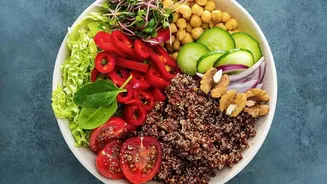
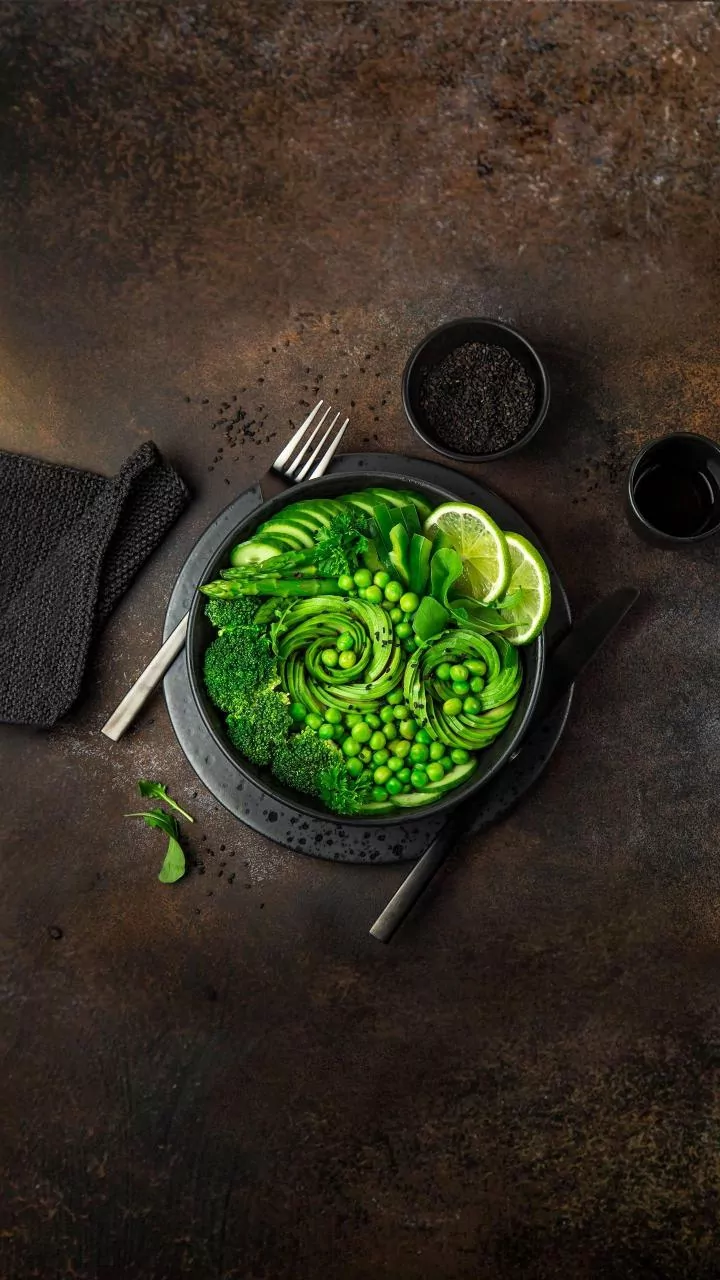
The findings from these large-scale studies confirm a strong link: what you eat directly feeds and shapes your gut microbiome. Diets rich in a variety of plant-based foods were consistently linked to a more diverse and healthier gut. Specifically, people who ate more than 30 different types of plants per week had a significantly more diverse microbiome than those who ate 10 or fewer. The research identified clusters of 'good' microbes associated with healthy, plant-rich diets and 'bad' microbes linked to diets high in processed foods. For example, a microbiome rich in species like Prevotella copri was associated with better blood sugar control, while others were linked to lower levels of blood fat and inflammation after meals. Conversely, diets heavy in processed foods, sugar, and unhealthy fats were linked to a less diverse microbiome and a higher prevalence of microbes associated with poor health outcomes.
The Future is Personalised Nutrition
Perhaps the most exciting takeaway is that your microbiome is not fixed. While genetics play a small role, your diet has a much greater influence on the makeup of your gut bacteria. This means you have the power to change it. These findings are paving the way for personalised nutrition. Instead of generic dietary advice, we are moving toward a future where recommendations could be tailored to an individual's unique gut profile to improve their health. Companies like ZOE, which grew out of the PREDICT research, are already using this science to offer personalised health insights. By identifying which microbes are linked to good or bad health, scientists can help people choose foods that nurture their beneficial bacteria and reduce their risk of chronic disease.