





Why Humidity Is a Hydration Trap
When you work out, your body produces sweat to cool itself down. As sweat evaporates from your skin, it takes heat with it. However, in high humidity, the air is already saturated with moisture, which severely slows down this evaporation process. Your
body's primary cooling mechanism becomes inefficient. In response, your body works even harder, producing more sweat in an attempt to cool down, leading to accelerated fluid and electrolyte loss. This combination of a rising core body temperature and rapid fluid loss makes dehydration a much greater risk during humid workouts compared to exercising in dry heat.
The Electrolyte Equation: More Than Just Water
Staying hydrated isn't just about replacing water; it's about replenishing electrolytes. These essential minerals, which include sodium, potassium, magnesium, and calcium, are vital for numerous bodily functions. They help maintain fluid balance, facilitate nerve signals, and are crucial for muscle contractions, including your heartbeat. When you sweat heavily, you lose significant amounts of these electrolytes, with sodium being the primary one lost. Simply drinking plain water can dilute the remaining electrolytes in your body, failing to address the core issue and sometimes leading to symptoms like muscle cramps, fatigue, and dizziness. For effective rehydration after intense exercise, replacing lost sodium is critical.
Coconut Water: Nature’s Rehydration Starter
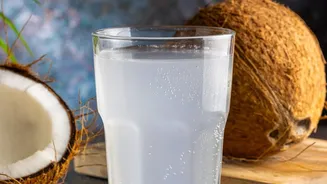
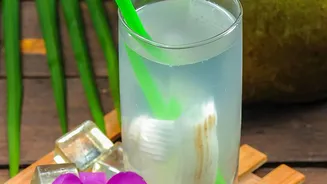
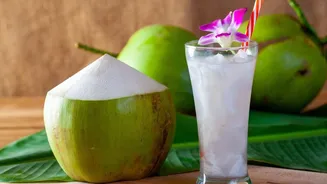
Coconut water is often called 'nature's sports drink' for good reason. It is naturally packed with electrolytes, most notably a high concentration of potassium. An average serving can contain more potassium than a banana, an electrolyte that helps regulate fluid balance within cells and can assist in preventing muscle cramps. It also provides natural sugars for a quick energy boost and other minerals like magnesium and calcium. However, for intense, sweaty workouts, coconut water has one key shortcoming: it is naturally low in sodium, the main electrolyte you lose through sweat. While it's superior to plain water for rehydration, it's an incomplete solution on its own.
The Magic of a Pinch of Salt
This is where a simple pinch of salt makes all the difference. Adding sodium chloride (salt) to coconut water elevates it from a refreshing drink to a highly effective electrolyte beverage. The added sodium helps replace what you've lost through sweat, which is crucial for maintaining blood volume and overall fluid balance. Sodium also plays a key role in stimulating thirst, which encourages you to keep drinking and rehydrating properly. This simple addition transforms coconut water into a more complete and balanced hydration solution, rivalling many commercial sports drinks but without the artificial colours, flavours, and high-fructose corn syrup.
Your DIY Salted Coconut Water Guide
Making your own natural electrolyte drink is incredibly simple and allows you to control the ingredients. For a basic but effective mix, combine the following in a bottle and shake well: 500 ml Unsweetened Coconut Water: This forms your high-potassium base. ⅛ to ¼ Teaspoon of Sea Salt or Himalayan Salt: This replenishes lost sodium. Start with a smaller amount and adjust to taste and workout intensity. For extra flavour and benefits, consider these additions: A Squeeze of Lime or Lemon Juice: Adds a refreshing taste and a bit of Vitamin C. 1 Teaspoon of Honey or Maple Syrup: Provides easily digestible carbohydrates for extra energy during longer workouts. Drink about 250 ml of this mixture 30 minutes before your workout, and then take sips every 15-20 minutes during intense exercise. Continue to rehydrate with it after your session to fully replenish your system.