





Strengthening the Rules of the Road
The Food Safety and Standards Authority of India (FSSAI) has been actively working on a series of reforms aimed at modernising the country's food safety landscape. These changes are part of a broader push to improve the ease of doing business while ensuring
public health. Recent amendments have included simplifying licensing with perpetual validity instead of periodic renewals, raising turnover thresholds for small businesses, and implementing a risk-based inspection system. The latest focus, however, targets a critical vulnerability in the food supply system: the cold chain. This new emphasis aims to ensure that temperature-sensitive foods are handled correctly from production to the point of sale, a move that promises significant benefits for both consumers and producers.
What Is the Cold Chain?
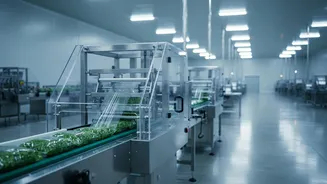
Think of the cold chain as an uninterrupted, temperature-controlled journey for perishable goods. It's not just about a single refrigerator but a whole system of cold storage facilities, refrigerated trucks (or 'reefer' vans), and temperature-managed retail displays. For products like milk, meat, seafood, fruits, vegetables, and even pharmaceuticals, maintaining a specific low temperature is non-negotiable. A break at any point in this chain—whether due to a power outage, equipment failure, or transportation delays—can lead to spoilage, bacterial growth, and a loss of quality. The goal is to keep food within a safe temperature window from the moment it is harvested or produced until it reaches your kitchen, preserving its safety and extending its shelf life.
Why the Focus on Cold Chain Now?
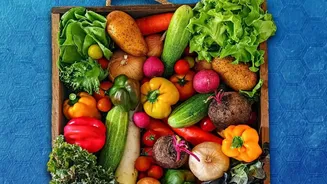
India is a global powerhouse in food production, being the world's largest producer of milk and the second-largest for fruits and vegetables. Yet, a significant portion—estimated between 30-40% of perishable produce—is wasted every year. A primary culprit is the country's inadequate and fragmented cold chain infrastructure. Currently, storage facilities can only handle a small fraction of the perishable goods produced, and many are designed for single commodities like potatoes rather than a diverse range of foods. This gap leads to enormous post-harvest losses, financial strain on farmers, and potential health risks for consumers from improperly stored food. The proposed reforms aim to address these systemic issues by making robust cold chain management a regulatory priority.
The Impact on Businesses and Consumers
For consumers, stronger cold chain regulations mean safer, higher-quality food. It reduces the risk of foodborne illnesses and ensures that products like fresh produce and dairy retain their nutritional value and taste. A more efficient cold chain could also lead to better availability of diverse products across the country, regardless of the season. For businesses, the new rules will present both challenges and opportunities. While there will be an initial cost associated with upgrading equipment and processes, the long-term benefits are substantial. Reduced spoilage means less waste and higher profits. Furthermore, businesses that comply with stringent quality standards will be better positioned to access lucrative export markets and gain consumer trust. The reforms are designed to be pragmatic, focusing compliance burdens on manufacturers where risks are highest, while easing requirements for retailers and distributors.