







The Real Source of Your Daily Sodium
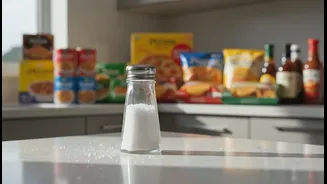
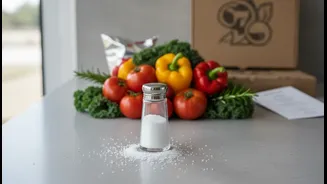
It’s a common misconception that the salt we sprinkle on our food during cooking or at the table is the main contributor to our daily intake. However, research consistently shows a different story. A staggering amount of the sodium we consume, often more
than 70%, comes from processed, packaged, and restaurant foods. This 'hidden' salt is added by manufacturers and chefs for reasons that go far beyond just taste. For many people, simply putting away the salt shaker makes a surprisingly small dent in their overall consumption. The World Health Organization (WHO) recommends consuming less than 5 grams of salt per day (about one teaspoon), but the average Indian consumes around 8 to 11 grams daily, nearly double the recommendation. This excess intake is a major public health concern, linked to high blood pressure and an increased risk of heart disease and stroke.
Why Processed Foods Are So Salty
Salt, or sodium chloride, is a manufacturer's multi-purpose tool. Its primary role in many packaged foods isn't just flavour, but preservation. Salt helps to extend shelf life by inhibiting the growth of bacteria and other microbes. Beyond preservation, it acts as a stabilizer, provides texture, and works as a binder. It can even be used to enhance sweetness in products like biscuits and cookies or mask undesirable metallic tastes in other items. From bread and breakfast cereals to ready-to-eat meals and sauces, sodium is a key functional ingredient. This is why even foods that don't taste particularly salty, such as a slice of bread, can contribute significantly to your daily sodium total when eaten regularly.
The Usual Suspects in an Indian Pantry
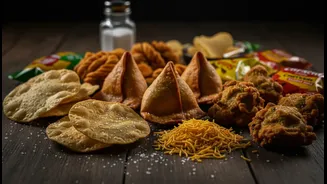
In the context of an Indian diet, many beloved staples are significant sources of hidden sodium. Pickles (achar) and papads are classic examples, where salt is used generously for preservation and flavour. But the list extends much further into modern convenience foods. Instant noodles are notorious, with a single packet sometimes containing nearly a full day's recommended sodium intake. Similarly, packaged soups, ready-to-eat curries, and various masala mixes are loaded with salt. Don't overlook bakery items like bread, biscuits, and savoury snacks (namkeen), which are often higher in sodium than people realize. Condiments are another major source; sauces like ketchup and soy sauce, as well as many chutneys, pack a salty punch.
How to Take Back Control
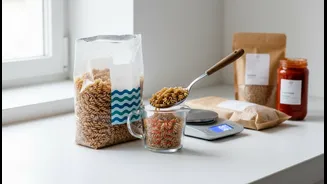
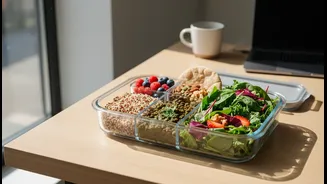
Reducing your sodium intake is less about deprivation and more about awareness. The first step is to become a mindful shopper. Start by reading the Nutrition Facts label on packaged foods and comparing brands to choose the option with the lowest sodium content. Look for labels like "low sodium" or "no salt added". When cooking, you have the most control. Preparing meals from scratch using fresh ingredients is the most effective way to manage your salt intake. Instead of relying on salt for flavour, experiment with herbs, spices, garlic, ginger, and lemon juice. Simple habits like rinsing canned beans and vegetables can wash away a significant portion of their sodium content. When eating out, don't hesitate to ask for your meal to be prepared with less salt or for sauces and dressings to be served on the side.