





The Humid Weather Food Dilemma
Humid conditions are not just uncomfortable; they create an ideal environment for bacteria to multiply rapidly. This poses a challenge for lovers of fresh produce, as raw items like leafy greens can become a higher risk for foodborne illnesses. Bacteria
such as Salmonella, Lister, and E. coli can thrive on produce, especially when it's grown in warm, humid conditions. While washing produce is always recommended, it doesn't eliminate all risks, and the invisible nature of these contaminants means that even fresh-looking greens could be problematic. This often leads people to avoid salads and other raw vegetable dishes during peak humidity, creating a gap in their diet where fresh, fibrous greens should be.
The Safety of a Simple Sauté
This is where a little heat makes a big difference. Lightly cooking your greens is one of the most effective ways to kill harmful bacteria and reduce the risk of foodborne illness. A gentle sauté provides enough heat to make the greens safe without resorting to boiling, which can destroy many delicate nutrients. Cooking vegetables also begins to break down their rigid cell walls, which can make them easier to digest for many people. This is especially beneficial for individuals with sensitive digestive systems who might experience bloating from raw vegetables. The process is simple and quick, turning a potential food safety concern into a safe, warm, and comforting meal component.
Fibre Fuel for Sluggish Days
Micro-greens are an excellent source of dietary fibre, which is crucial for maintaining a healthy digestive system and promoting gut health. Fibre helps regulate bowel movements and can make you feel fuller for longer, which is a great benefit for weight management. In humid weather, when we often feel sluggish and lethargic, a high-fibre meal can provide sustained energy release. Cooking the greens helps soften the fibre, making it easier for your body to process and absorb the available nutrients. Unlike the simple sugars that give a quick but short-lived energy spike, the complex carbohydrates and fibre in micro-greens provide a steady source of fuel to power you through a sticky day.
A Nutritional Powerhouse
Don't let their small size fool you; micro-greens are incredibly nutrient-dense. Studies have shown they can contain anywhere from 4 to 40 times more vitamins, minerals, and antioxidants than their mature counterparts. They are packed with vitamins A, C, E, and K, as well as essential minerals like iron, calcium, and potassium. While some heat-sensitive nutrients like vitamin C can be slightly reduced during cooking, many others become more bioavailable, meaning your body can absorb them more easily. For example, cooking can increase the availability of antioxidants like beta-carotene in carrots. A quick sauté is a great compromise, preserving a significant portion of nutrients while enhancing safety and digestibility.
Building Your Perfect Medley
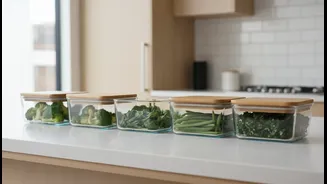
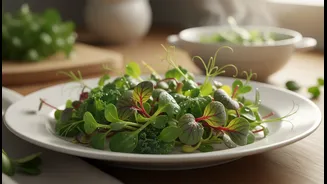
The beauty of a micro-green medley is its versatility. You can mix and match based on flavour and nutritional profiles. Broccoli micro-greens are mild and packed with sulforaphane, a powerful compound. Radish micro-greens offer a spicy kick, while sunflower micro-greens provide a nutty flavour and satisfying crunch. For a peppery note, try arugula micro-greens. Some of the best for cooking include sunflower, pea shoots, broccoli, and various brassicas like red cabbage and kohlrabi. You can find them at local farmers' markets or even grow them on your kitchen windowsill for the freshest supply.
How to Sauté to Perfection
The key to cooking micro-greens is to be quick. You want to warm them through and wilt them slightly, not cook them into mush. Use a light oil like olive or coconut oil in a pan over medium heat. Add a bit of minced garlic or shallots for flavour if you wish. Add your micro-green medley to the pan and toss them gently for just 30 to 60 seconds. They cook very fast. As soon as they are slightly wilted and have turned a vibrant green, remove them from the heat. Season with a pinch of salt and a squeeze of fresh lemon juice to brighten the flavours. They can be enjoyed as a standalone side dish, added to eggs, or placed on top of toast, pasta, or rice bowls.