




So, What Exactly Is A Cool-Cation?
At its core, a cool-cation is a holiday planned with the specific intention of escaping extreme heat. It’s a deliberate pivot away from traditional sun-and-sand beach holidays towards destinations where the mercury is mercifully lower. This isn't about
shunning summer travel; it's about redefining it. Instead of enduring sweltering city breaks or crowded tropical resorts, travellers are actively seeking out destinations that offer crisp air, comfortable temperatures, and a refreshing break from the oppressive heat back home. The trend reflects a significant behavioural shift where climate comfort is no longer a 'nice-to-have' but a primary decision-making factor for booking a trip. It’s less about where is popular and more about where is pleasant.
The Driving Force: Unprecedented Heat
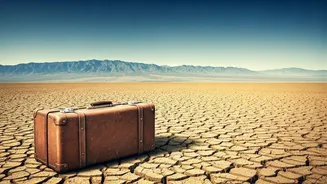
The rise of the cool-cation isn't happening in a vacuum. It is a direct response to the escalating climate crisis and the increasingly severe heatwaves gripping the country. With temperatures in many parts of India soaring into the mid-40s and even touching 50 degrees Celsius, staying put has become unbearable for many. The India Meteorological Department frequently issues heatwave alerts, and life during these periods slows to a crawl. This intense, prolonged heat is fundamentally altering travel patterns. What was once a simple desire for a summer holiday has morphed into a pressing need for escape, pushing people to look for refuge in cooler regions. This shift from preference to necessity is what has propelled the cool-cation from a niche idea into a mainstream travel phenomenon.
The New Holiday Map: From Ladakh to Lapland
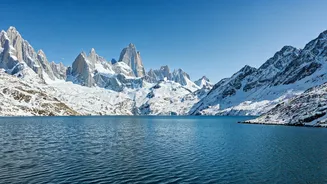
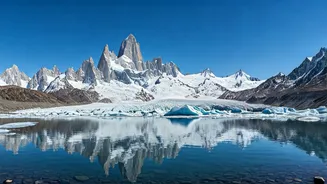
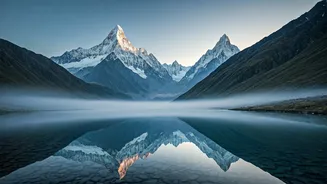
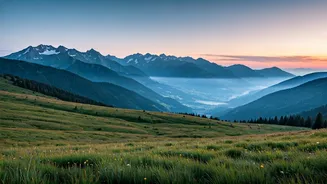
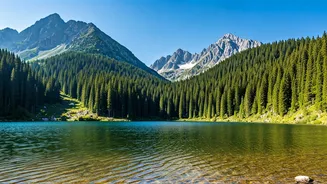
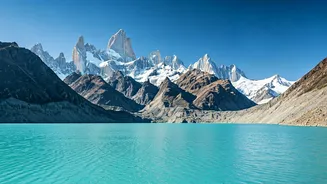
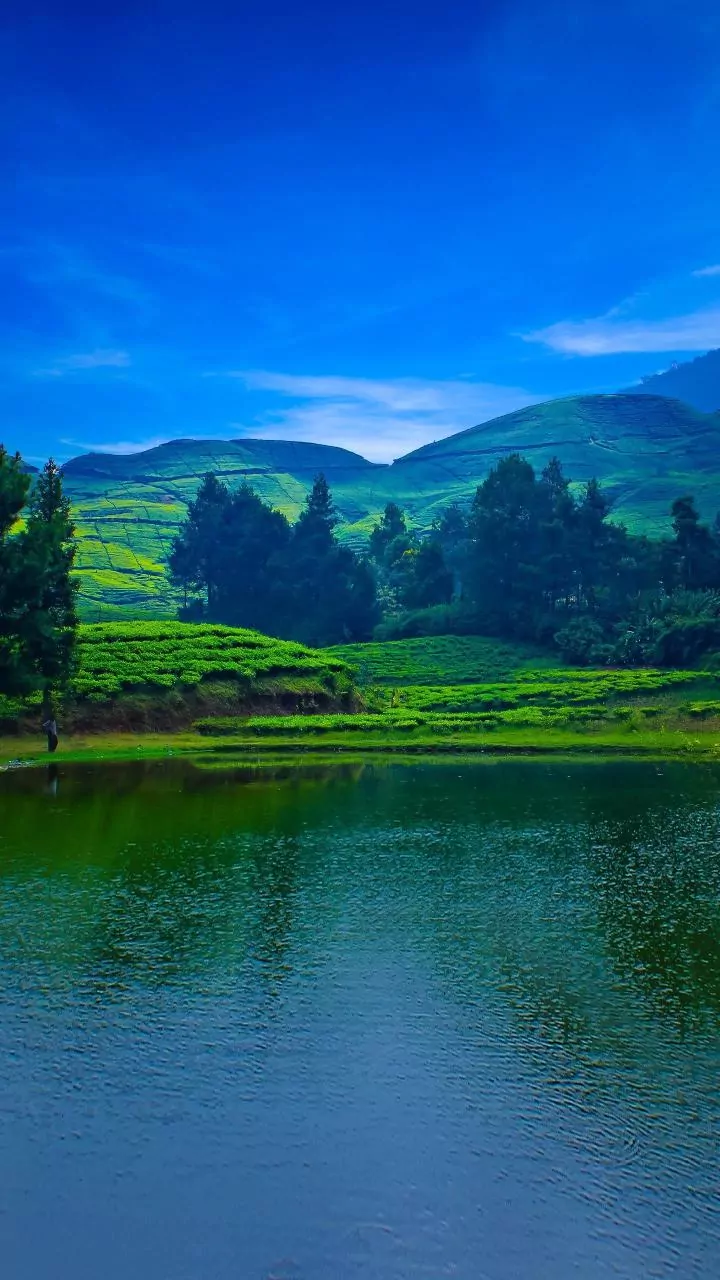
So where is everyone going? Domestically, the answer has traditionally been the hill stations. Places like Himachal Pradesh, Uttarakhand, and Ladakh have seen a surge in visitors looking to trade city heat for mountain air. However, this mass movement has put immense pressure on these fragile ecosystems, leading to overcrowding, traffic congestion, and concerns about overtourism. Consequently, a growing number of Indian travellers are looking further afield. Neighbouring countries like Nepal have reported a significant influx of Indian tourists explicitly fleeing the heat. Meanwhile, international destinations in Northern and Central Europe—such as Switzerland, Scandinavia, and the UK—are becoming the new summer hotspots for those who can afford it. These regions offer a novel experience, combining pleasant weather with unique cultural and natural attractions.
More Than Just A Thermometer Reading
While escaping the heat is the primary motivator, the appeal of a cool-cation runs deeper. These trips offer a completely different kind of holiday experience. Instead of sweating through outdoor sightseeing tours, travellers can comfortably enjoy activities like hiking through lush forests, exploring misty mountains, or simply walking around a city without feeling drained. It’s also an opportunity to escape the crowds that typically descend on conventional summer destinations. Choosing a cooler climate often means discovering places that are less saturated with tourists, offering a more authentic and relaxed vibe. This aligns with a broader shift towards experience-driven travel, where the goal is not just to see a place but to enjoy a particular atmosphere and way of life.
A Passing Trend Or The Future of Travel?
All signs suggest that the cool-cation is more than just a fleeting trend; it's the beginning of a long-term recalibration of how we travel. As global temperatures continue to rise, climate will become an increasingly non-negotiable part of holiday planning. Travel experts note that this pattern is happening globally, with peak summer travel losing its appeal in traditionally hot regions like the Mediterranean. The industry is already starting to adapt, with tour operators redesigning itineraries to avoid midday heat and promoting shoulder seasons like spring and autumn. For travellers, this means that the vacation calendar is likely to become more flexible and the world map of desirable destinations will continue to be redrawn by our changing climate.