





Embrace the Magic of Cubes
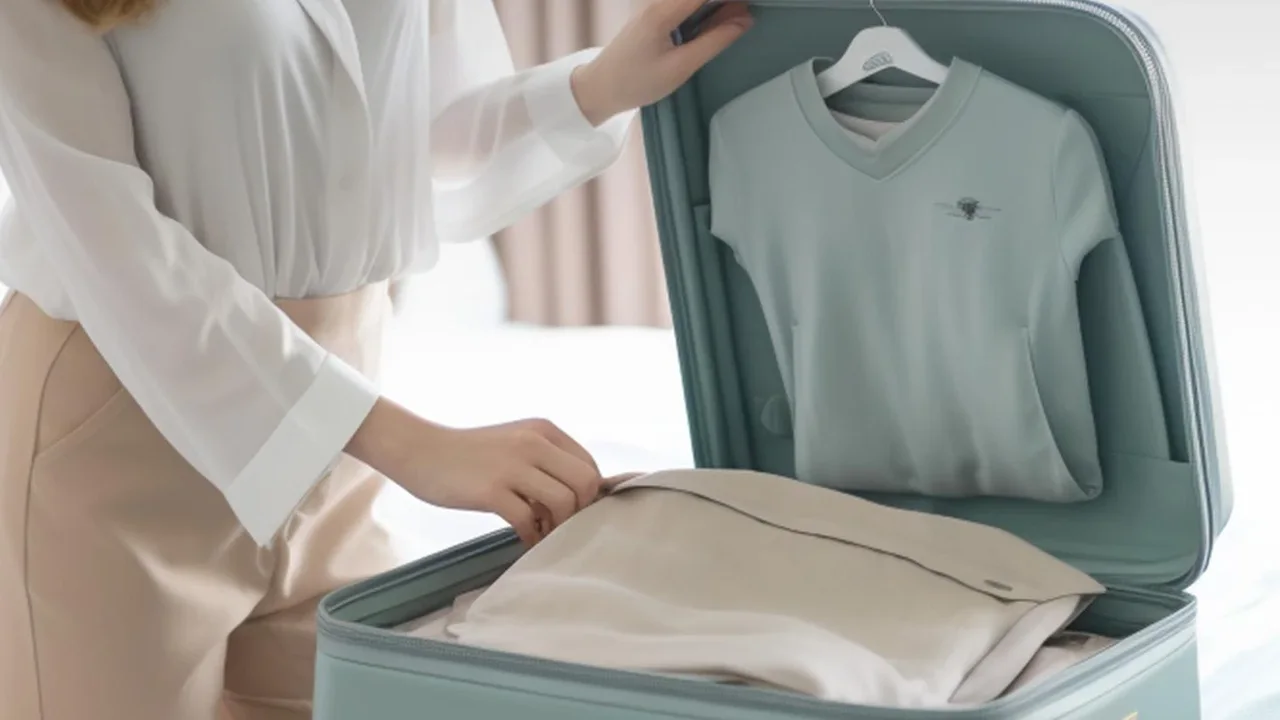
If you're not using packing cubes, you're not packing efficiently. These zip-up pouches are revolutionary for organization and space-saving. Standard cubes help compartmentalize your bag, turning it into a tidy set of drawers. But for maximum space, opt
for compression cubes. These feature an extra zipper that squeezes out excess air, significantly shrinking the volume of your clothes. Instead of one or two large cubes, using several smaller ones allows you to fill all the nooks and crannies of your backpack. Sort items by category (tops in one, bottoms in another) or by outfit for easy access without disrupting your entire bag.
Master the Art of Rolling
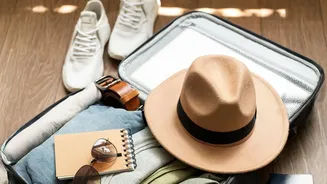
The age-old debate of rolling versus folding has a clear winner for backpackers: rolling. Tightly rolling items like t-shirts, trousers, and knitwear compresses the fabric and can reduce wrinkles. This method allows you to stack your clothes vertically in a packing cube, giving you a clear view of everything you have without needing to dig. For wrinkle-prone garments like button-down shirts or blouses, a technique called 'bundle wrapping'—where you wrap clothes around a central core—can be even more effective. But for most casual weekend wear, rolling is the quickest and most efficient way to save precious space.
Adopt a Multi-Purpose Wardrobe
The key to packing light isn't just how you pack, but what you pack. Choose versatile items that can be mixed and matched. A travel capsule wardrobe built on neutral colours is a great starting point. Think about items that serve multiple functions: a lightweight merino wool sweater works for a chilly evening or a plane ride, a stylish pair of dark trainers can be used for walking during the day and are smart enough for a casual dinner, and a sarong can be a scarf, beach cover-up, or even a towel. Before packing an item, ask yourself if it can be worn in at least two different ways. This mindset helps eliminate those 'just-in-case' items that rarely leave the bag.
Follow the 5-4-3-2-1 Rule
For a four-day trip, a simple numerical guide can prevent overpacking. The 5-4-3-2-1 rule is a popular framework for short trips. It typically means packing no more than: 5 pairs of socks and underwear, 4 tops, 3 bottoms (jeans, shorts, or a skirt), 2 pairs of shoes, and 1 dress or outer layer (like a jacket or sweater). You can adjust the numbers to fit your specific needs and destination—perhaps swapping a bottom for an extra dress or adding a swimsuit. The principle remains the same: setting clear limits stops you from throwing in last-minute additions you won't need.
Downsize Toiletries and Tech
Liquids and electronics are often bulky and heavy. Instead of full-size bottles, decant shampoo, conditioner, and lotion into small, reusable travel-sized containers to comply with airline liquid restrictions. Better yet, switch to solid toiletries like shampoo bars, conditioner bars, and toothpaste tablets to save space and avoid potential spills. For electronics, streamline your cables. A multi-port GaN charger can power up your phone, headphones, and power bank with a single plug. Unless absolutely necessary for work, consider leaving the laptop at home and using your smartphone for entertainment and navigation.
Wear Your Heaviest Items
This is one of the simplest yet most effective packing hacks. Your bulkiest items should be on your body, not in your bag. This applies to shoes and clothing. If you're bringing hiking boots or sturdy sneakers, wear them to the airport. The same goes for your heaviest jacket or chunkiest sweater. Not only does this free up a significant amount of space and weight in your backpack, but it also means you have your warmest layers handy for a cold flight. The inside of your packed shoes shouldn't be wasted space either; stuff them with socks, underwear, or small, fragile items for extra protection and efficiency.