




The Data Doesn't Lie
Every year, data from platforms like Yelp provides a fascinating snapshot of our evolving tastes. This year, the message is loud and clear: diners are craving specificity. According to Yelp’s 2024 Food & Beverage Trend Forecast, searches for “regional
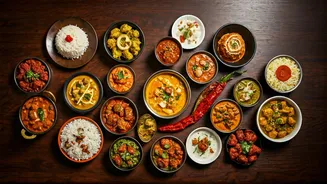
Indian food” have skyrocketed by 73%. This isn’t just a minor uptick; it’s a culinary earthquake. For decades, “Indian food” outside of India often meant a predictable menu of North Indian staples like butter chicken, naan, and palak paneer. While delicious, this menu represents just a tiny fraction of India’s immense culinary landscape. The new trend shows a global palate that is finally ready to explore the subcontinent's true diversity.
What Are Regional Indian Bowls?
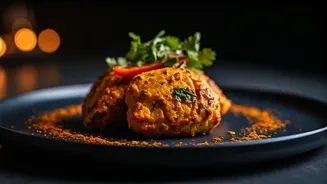
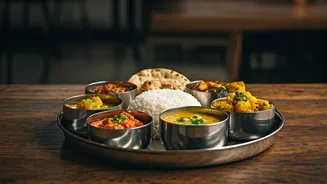
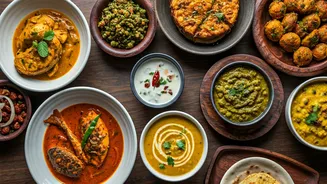
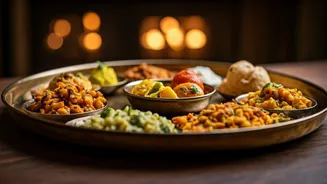
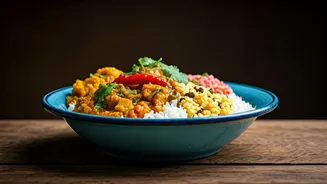
So, what exactly are we talking about when we say “regional Indian bowls”? Instead of a dozen small dishes, this trend repackages complex, traditional meals into a single, accessible format. Think of it as a deconstructed thali for the modern age. The Yelp report specifically points to dishes like the Kati Roll, a beloved street food from Kolkata. It features skewer-roasted kebabs tucked into a paratha, often served rolled in paper—a bowl you can hold. Another example highlighted is Panta Bhat, a fermented rice dish from Bengal and Bangladesh. Traditionally a humble, rustic meal, chefs are now elevating it into gourmet bowl creations. The possibilities are endless, from a vibrant Rajasthani dal-baati-churma bowl to a comforting South Indian sambar sadam bowl, each offering a complete, balanced meal with distinct regional flavours.
The Global Power of the Bowl
The rise of the Indian bowl isn’t happening in a vacuum. It taps directly into a larger global dining phenomenon: bowl food. From Hawaiian poké to Mexican burrito bowls and Korean bibimbap, the bowl has become the go-to vessel for modern eating. Why? The reasons are simple and powerful. Bowls are convenient, portable, and perfect for a quick lunch or a casual dinner. They allow for easy customisation, letting diners mix and match proteins, grains, and sauces. They also often carry a perception of being healthier, with a balanced mix of components that can be easily seen. For chefs and restaurateurs, the bowl format provides a perfect canvas to introduce complex flavours in a way that feels familiar and unintimidating to new audiences.
Authenticity Meets Accessibility
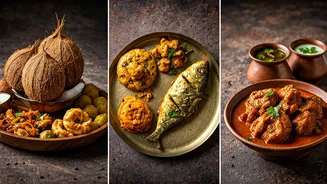
This trend is driven by two powerful forces. First, there's a growing demand for authenticity. Second- and third-generation members of the Indian diaspora are proudly sharing the food they grew up eating at home, moving far beyond the standard restaurant fare. Simultaneously, global food lovers, armed with Instagram and a desire for new experiences, are actively seeking out these unique, story-rich dishes. The regional bowl perfectly marries these two forces. It delivers the authentic, nuanced flavours of a specific region—the smokiness of a Hyderabadi kebab, the tang of a Goan fish curry—in a format that is incredibly accessible. You don’t need to know the proper etiquette of eating a multi-course meal; you just need a spoon (or a fork) and an appetite for discovery.