







The UPI Revolution's Ripple Effect
The explosion of budgeting apps in India is directly tied to the wild success of the Unified Payments Interface (UPI). With billions of transactions happening monthly, every chai, cab ride, and grocery purchase now leaves a digital footprint. This created
a perfect storm for budgeting apps. Instead of tedious manual entry, many apps now automatically categorize expenses by reading bank SMS alerts or integrating with the Account Aggregator framework, an RBI-regulated system that safely provides a consolidated view of your finances. This seamless tracking turns a firehose of tiny transactions into understandable patterns, making expense management effortless for the first time.
From Financial Chaos to Clarity
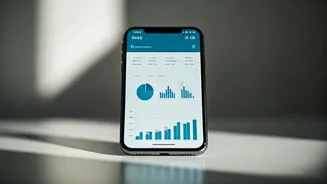
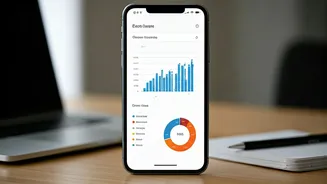
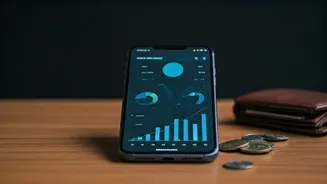
The primary appeal of these apps is their ability to bring order to financial chaos. For many, it's the first time they have a clear answer to the age-old question: "Where did all my money go?" Apps like INDmoney, Fi Money, and Money Manager transform complex data into simple, visual charts and reports. They provide a clear view of spending habits, highlighting where money is really going versus where users think it is. One user, for instance, was shocked to find he was spending ₹18,000 a month on food delivery, not the ₹8,000 he estimated. This clarity is powerful, enabling people to identify unnecessary expenses, plug financial leaks, and regain a sense of control that physical cash once provided.
A New Generation's Financial Toolkit
Driving this trend is a generation of young, digitally-native Indians with new financial goals. Unlike their parents, for whom property was the primary asset, today's millennials and Gen Z are juggling goals like building an emergency fund, saving for travel, and investing in the market. They demand convenience and are more proactive about their financial health. Budgeting apps are their chosen tools for financial discipline. These platforms are evolving beyond simple expense tracking, integrating features for setting specific goals, paying bills, and even making systematic investments (SIPs), all within a single interface.
The Rise of the All-in-One Finance Hub
The most successful apps are no longer just for budgeting. They are becoming comprehensive personal finance dashboards. Platforms like ET Money have integrated expense tracking with mutual fund investments, insurance, and tax planning tools. Others, like INDmoney, aggregate information from bank accounts, credit cards, and investment portfolios to provide a complete, real-time picture of a user's net worth. This evolution from single-purpose tool to an all-in-one financial hub makes the apps stickier and more valuable, providing users with a holistic view of their financial lives. This is a far cry from the simple manual entry apps of the past.
Navigating the Risks: Data Privacy and Security
The convenience of financial apps comes with a crucial caveat: data security. These apps handle enormous amounts of sensitive personal and financial data, making them a prime target for cyber threats. In India, the Digital Personal Data Protection (DPDP) Act establishes a legal framework requiring companies to obtain explicit user consent, be transparent about data usage, and implement strong security measures. Users must do their part by choosing reputable apps, understanding the permissions they grant, and enabling security features like multi-factor authentication. While the Account Aggregator framework provides a safer way for apps to access data, the responsibility to protect user information ultimately lies with the fintech companies themselves.