


The National Push to Cut Sodium
Leading health experts in India, including those from AIIMS and other prominent institutions, are championing a significant public health shift: replacing regular table salt with potassium-enriched, low-sodium salt substitutes (LSSS). This recommendation
comes as India grapples with a high burden of non-communicable diseases and aims to reduce the population's average sodium intake by 30% by 2030, in line with World Health Organization (WHO) goals. The consensus among experts is that LSSS could be a 'dietary vaccine' against hypertension, offering a practical way to combat a major health crisis without asking people to sacrifice the taste of their food.
Why Is Excess Salt a Major Concern?
The average Indian consumes 8 to 11 grams of salt daily, which is nearly double the WHO's recommended limit of 5 grams. This high intake is a key driver of hypertension, or high blood pressure, which affects an estimated 28% of adults in India and contributes to over 1.75 lakh deaths annually. Excess sodium causes the body to retain water, increasing blood volume and forcing the heart to work harder, which raises blood pressure. Over time, this can lead to severe cardiovascular events like heart attacks and strokes, making salt reduction a critical public health priority.
Understanding Regular Table Salt
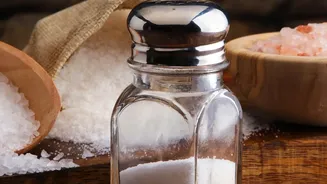
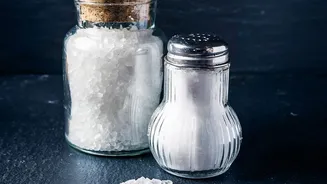
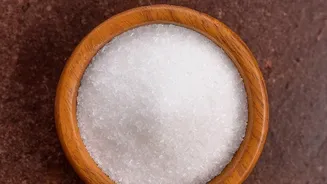
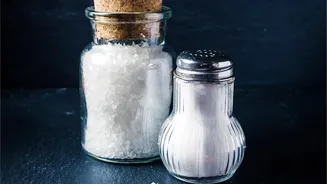
The salt shaker on your dining table contains sodium chloride. Sodium is an essential mineral that our bodies need in small amounts to maintain fluid balance and ensure proper nerve and muscle function. However, modern diets, especially in India where around 80% of salt intake comes from home cooking, often contain far more sodium than is necessary. The challenge is that our taste for salt is acquired, and high consumption has become a deeply ingrained habit, contributing to widespread health issues like high blood pressure.
What Are Low-Sodium Salt Substitutes?
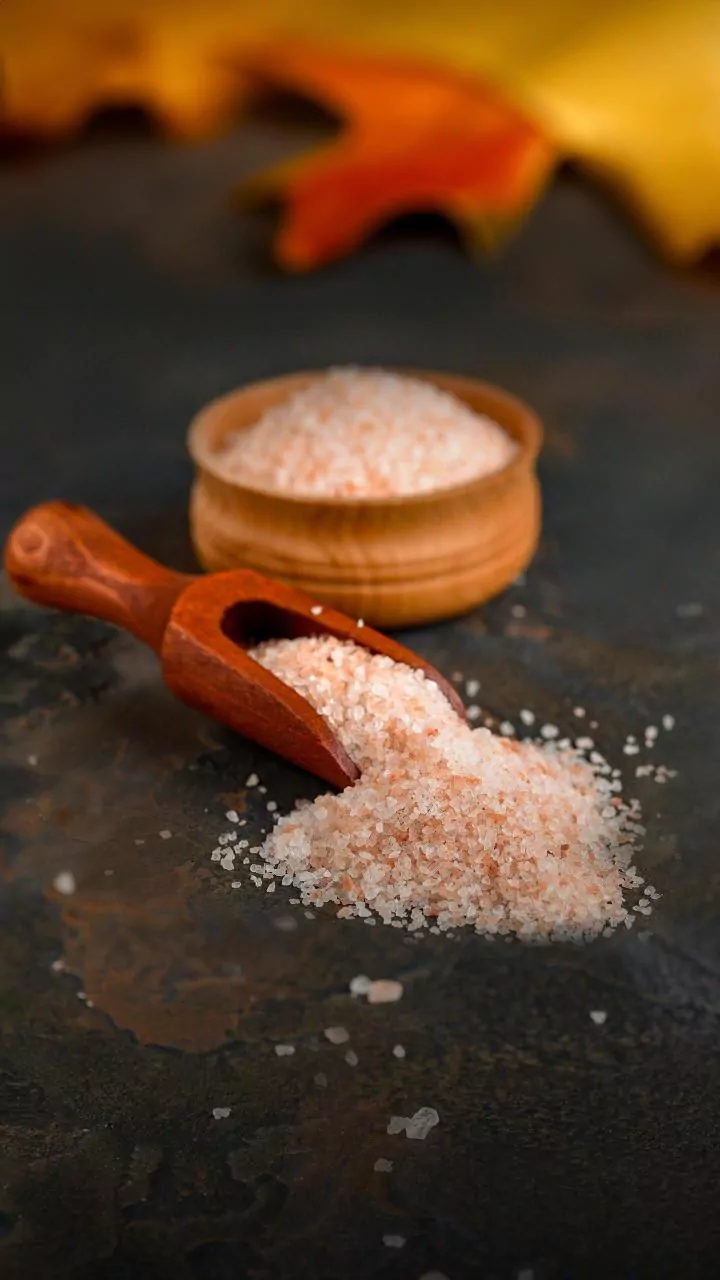
Low-sodium salt substitutes are exactly what they sound like: alternatives designed to look and taste like regular salt but with a different chemical makeup. Most commonly, a portion of the sodium chloride (typically 25-30%) is replaced with potassium chloride. The goal is twofold: to reduce sodium intake and to increase potassium intake. Potassium is another vital mineral that helps counteract the effects of sodium and can independently help lower blood pressure. Studies have shown that most people cannot taste the difference, especially in blends with less than 30% potassium chloride.
The Benefits of Swapping Sodium for Potassium
By replacing some of the sodium with potassium, these substitutes help tackle two problems at once. Reducing sodium intake directly addresses a primary cause of hypertension. At the same time, increasing potassium intake offers its own benefits, as most people do not consume enough of this important mineral. Research has shown this switch is effective; a major study demonstrated that using potassium-enriched salt could lower the risk of stroke by 14% and major cardiovascular events by 13%. Indian experts point to these substitutes as a simple, effective intervention that provides round-the-clock cardiovascular protection.
Important Caveats and Potential Risks
While low-sodium salts are beneficial for the general population, they are not suitable for everyone. The increased potassium can be risky for individuals with certain health conditions, particularly chronic kidney disease, as their bodies may struggle to excret excess potassium. This can lead to a dangerous condition called hyperkalemia (high potassium levels in the blood), which can affect heart rhythm. People with diabetes, heart failure, or those taking specific medications like certain blood pressure drugs should also exercise caution. Therefore, it's crucial to consult a doctor before making the switch, especially if you have any underlying health issues.