







Understanding the Ashadha Opportunity
Falling between June and July in the Gregorian calendar, Ashadha is the fourth month of the Hindu lunar year. It marks the arrival of the monsoon, a season of renewal, and is steeped in spiritual importance. For travellers, this period presents a unique
window to witness ancient traditions that are deeply connected to the cycles of nature and faith. Unlike the peak tourist months, an Ashadha trip offers a chance to see a more authentic, devotional side of India, moving from grand processions to quiet moments of reverence. It’s an opportunity to structure your travel not around weather or school holidays, but around a calendar of living heritage.
The Grand Chariot: Puri Rath Yatra
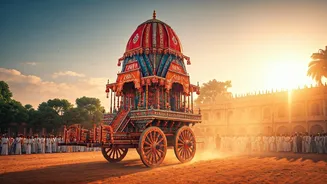
The most iconic event of Ashadha is undoubtedly the Rath Yatra in Puri, Odisha. This spectacular festival sees the deities of Jagannath, Balabhadra, and Subhadra journey from their home in the Jagannath Temple to the Gundicha Temple on colossal, elaborately decorated chariots. The sight of hundreds of thousands of devotees pulling the chariots through the streets is a powerful display of collective faith. Planning a trip to witness this requires booking accommodation and travel months in advance, as the city swells with pilgrims. It’s an intense, overwhelming, and unforgettable experience that stands as one of India's greatest cultural spectacles.
A Spiritual Walk: The Pandharpur Wari
In Maharashtra, Ashadha is synonymous with the Wari, a massive pilgrimage on foot to the city of Pandharpur. Lakhs of devotees, known as 'varkaris', walk for weeks from various parts of the state, singing devotional songs (abhangs) in praise of Lord Vithoba. The pilgrimage culminates on Ashadhi Ekadashi. While participating in the entire walk is a serious commitment, travellers can witness parts of the procession as it moves through towns and villages. The atmosphere is one of communal joy, discipline, and unwavering devotion. It’s a chance to see a different kind of festival—not a single-day event, but a moving river of faith that flows across the land.
A Day for Mentors: Guru Purnima
Falling on the full moon day (Purnima) of Ashadha, Guru Purnima is a day dedicated to honouring one's teachers, gurus, and mentors—both spiritual and academic. This festival is celebrated across India with quiet dignity. Ashrams in spiritual hubs like Rishikesh and Haridwar hold special satsangs and lectures. In Shirdi, the festival is observed with great devotion by followers of Sai Baba. For a traveller, this day offers a more introspective cultural experience. You can attend a discourse, participate in a quiet ceremony, or simply observe the reverence with which knowledge and guidance are treated in Indian culture.
The Gods Rest: Devshayani Ekadashi
Ashadhi Ekadashi, also known as Devshayani Ekadashi, marks the day when Lord Vishnu is believed to begin his four-month rest. This period, called Chaturmas, is considered auspicious for spiritual practices but inauspicious for major events like weddings. While it may sound like a quiet time, it signals a shift in the cultural landscape. Many smaller, local fairs and festivals are organised during this month, especially in rural areas, to celebrate the onset of the rains and the planting season. For travellers looking to get off the beaten path, seeking out these regional celebrations can provide a charming and authentic glimpse into local life tied to the monsoon cycle.
Tips for Your Ashadha Journey
Planning a trip during Ashadha requires some specific preparation. First, be ready for rain. Pack waterproof gear, quick-drying clothes, and sturdy footwear. For major events like the Puri Rath Yatra, book everything—flights, trains, and hotels—well in advance. For more local experiences, be flexible with your itinerary. Most importantly, approach these festivals with respect. These are sacred events, not just tourist attractions. Dress modestly, follow local customs, and be mindful of the devotees around you. A respectful attitude will not only be appreciated but will also open doors to a more meaningful experience.