



More Than a Walk With Sticks
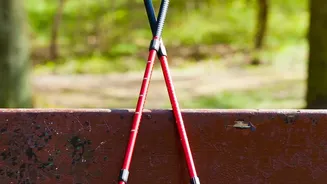
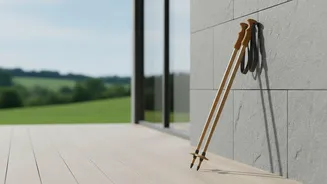
Originally developed as a summer training method for cross-country skiers, Nordic Walking is a low-impact exercise that involves walking with specially designed poles. Unlike trekking poles used for stability on hikes, Nordic poles are used to propel
you forward, engaging your upper body in the process. When done correctly, this technique activates muscles in your arms, shoulders, chest, and back. The result is that a simple walk is transformed into a comprehensive workout that engages up to 90% of your body's muscles, compared to just 50% with regular walking.
The Full-Body Fitness Shift
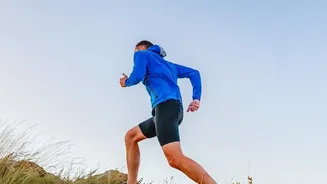
The growing appeal of Nordic Walking lies in its efficiency and accessibility. It delivers a significant boost in calorie burning, with studies showing an increase of anywhere from 18% to over 60% compared to conventional walking. This supercharged workout comes without the high impact on joints associated with running, making it an excellent option for a wide range of fitness levels. Beyond burning fat, Nordic Walking is linked to numerous health benefits, including reductions in bad cholesterol, anxiety, and chronic pain, while increasing cardiovascular fitness, muscle strength, and endurance.
Technique Is Everything
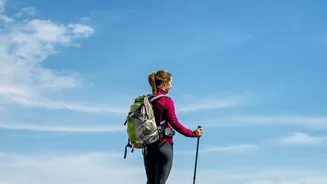
The secret to unlocking these benefits lies entirely in the technique. It’s not just about carrying poles; it's about using them to create a fluid, powerful motion. Proper form starts with an upright posture, looking forward rather than at your feet. Your arms should swing from the shoulder, not the elbow, in a relaxed motion. The key is the push: as your arm swings back, you plant the pole tip on the ground and push off. This engages your triceps, back, and core muscles. The movement should feel natural, amplifying the opposition of your arms and legs—as your right leg steps forward, your left arm and pole follow suit.
Lessons for Every Walker, Poles Optional
Even if you never pick up a set of poles, the principles of Nordic Walking can dramatically improve your regular walks. Many people walk with a hunched posture and minimal arm movement, limiting the fitness benefits. By focusing on proper technique, you can get more out of every step. Concentrate on walking tall, as if a string is lifting you from the crown of your head. Keep your shoulders relaxed and back, and actively swing your arms at a 90-degree angle from the shoulder. Engage your core by gently drawing your belly button toward your spine and push off purposefully with your back leg, squeezing your glutes. These small adjustments engage more muscles, improve posture, and increase your energy expenditure, turning any walk into a more effective exercise.