

The Unique Appeal of a Monsoon Safari
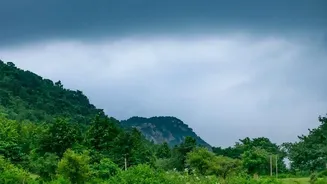
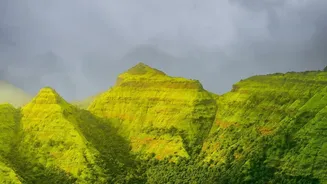
While many core zones of India's famous national parks close from July to September, the monsoon safari is gaining popularity for its distinct advantages. The most immediate change is the landscape itself; dry, brown forests transform into a vibrant,
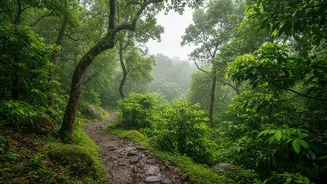
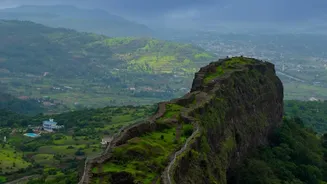
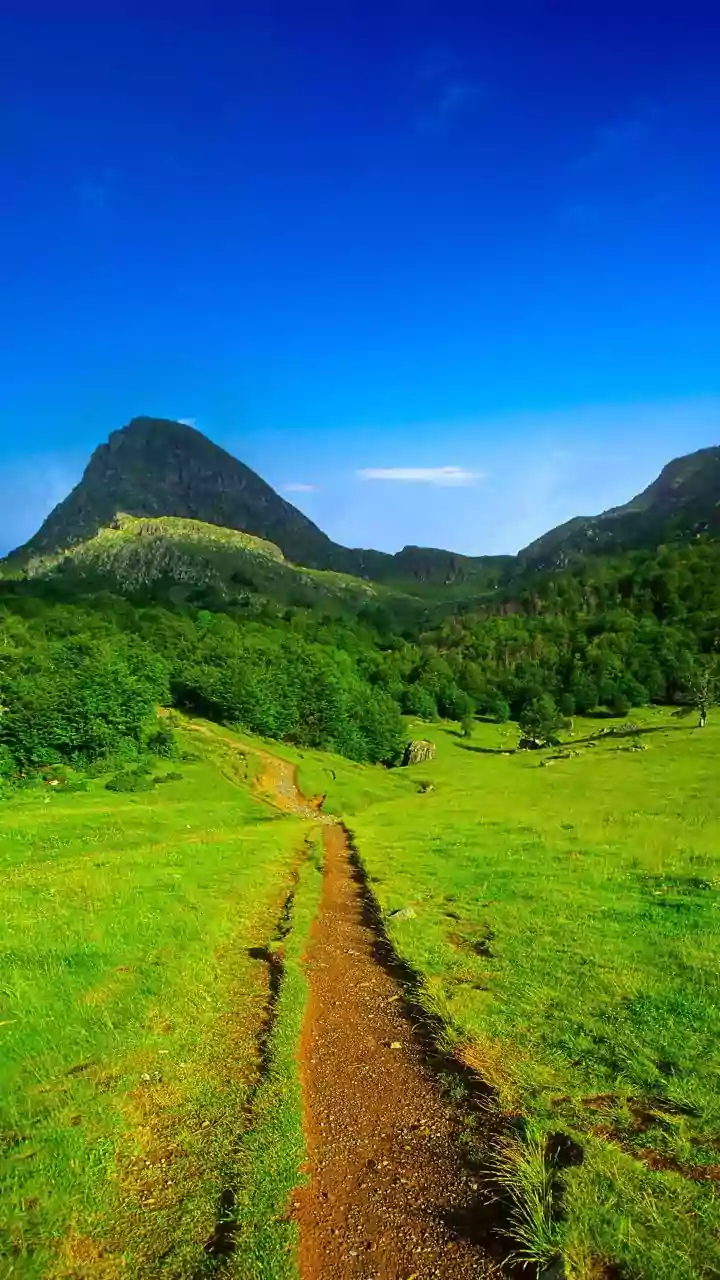
emerald paradise. This lush greenery, combined with fewer tourists, creates a serene and intimate atmosphere for exploring the wild. Photographers are particularly drawn to this season for its dramatic, cloud-covered skies and the fresh, clean look of the jungle. Furthermore, many animals remain active due to cooler temperatures, and the season brings a surge in birdlife, with many species flocking to replenished water bodies. Though tiger sightings might be less predictable due to dense foliage, the overall experience of a revitalised ecosystem offers a different kind of reward.
Ranthambore: The Green Hills of Rajasthan
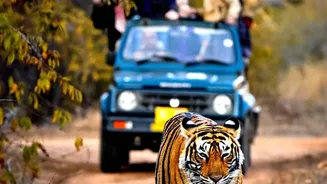
Ranthambore National Park in Rajasthan, typically known for its arid landscape, becomes a breathtaking expanse of greenery during the monsoon. While the core zones (1-5) are closed, the buffer zones 6 through 10 remain open for safari enthusiasts. These zones offer a surprisingly different perspective of the park, with rain-soaked forests and flowing streams. Tiger sightings, while not as frequent as in the dry season, are still possible as the big cats patrol their territories, which need re-marking after the rains. Visitors can also expect to see sambar deer, chital, and a wide array of birds enjoying the verdant surroundings and less crowded environment.
Jim Corbett: Exploring the Himalayan Foothills
India's oldest national park, Jim Corbett, also offers a fantastic monsoon experience. While the famous Dhikala and Bijrani zones shut down, several buffer zones like Jhirna, Dhela, and Garjiya remain accessible. These areas, nestled in the Himalayan foothills, become incredibly lush and are filled with the sounds of birdsong. The Ramganga River swells, adding to the scenic beauty. Safaris in these zones provide opportunities to see elephants, leopards, and various species of deer. The Jhirna zone, in particular, is open year-round and is a reliable choice for those planning an August trip.
Tadoba-Andhari: Maharashtra’s Verdant Tiger Haven
Tadoba-Andhari Tiger Reserve in Maharashtra is another prime destination for a monsoon safari. Like other parks, its core areas close, but a number of its buffer zones remain open and are rich in wildlife. Gates such as Junona, Agarzari, and Kolara offer access to dense bamboo forests and grasslands that are teeming with life after the rains. Tadoba is known for its high tiger density, and sightings can still be rewarding in the buffer areas. The monsoon transforms the park into a peaceful sanctuary, offering a raw and natural jungle experience with far fewer safari vehicles.
Periyar and Kabini: South India's Year-Round Gems
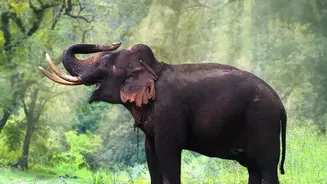
In South India, Periyar National Park in Kerala is a standout as it remains open throughout the year, even during the monsoon. The park, centred around a vast lake, offers unique boat safaris where visitors can spot herds of elephants and other animals along the banks. The rain enhances the beauty of the Western Ghats, making it a paradise for nature lovers. Similarly, parks in Karnataka like Kabini (Nagarhole) and Bandipur also operate year-round, weather permitting. The monsoon is a great time to see elephants playing in the rain and witness the forest in its most vibrant form.
Tips for Your Monsoon Adventure
Planning a safari in August requires some specific preparation. Always check with the park authorities for the latest updates on which zones are open, as heavy rains can sometimes lead to temporary closures. Pack lightweight, quick-drying clothes and a reliable raincoat or poncho. Waterproof footwear with good grip is essential for muddy trails. Protect your electronic gear, like cameras and phones, with waterproof bags. Finally, manage your expectations; while wildlife is abundant, the dense greenery can make spotting animals more challenging. Embrace the experience for the stunning landscapes, the peaceful atmosphere, and the joy of seeing the forest renewed by the rain.