






Plan Your Feasts Before Your Funds
The single most effective way to control costs is to plan ahead. Before you even think about shopping, decide on your menus for the main festive days. How many people are you hosting? What are the must-have dishes that truly make the celebration feel
special? Listing everything out helps you focus on what's important and prevents last-minute, expensive impulse buys. Create a menu for each meal you plan to host, considering dishes that might share common ingredients to maximize their use. This initial step creates a roadmap for your budget and shopping list, ensuring you buy only what you need.
Create a Realistic Food Budget
Once you have your menu, assign a budget to it. This is the most crucial step for keeping spending in check. List all anticipated costs, from key ingredients for main dishes to spices, oils, sweets, and drinks. Be specific and realistic. It’s easy to lose track of spending with digital payments, so tracking your expenses is vital. You can use a simple notebook or a budgeting app to monitor your purchases against your set limit. Consider using cash for grocery shopping; seeing the physical money spent can make you more mindful of your budget. This isn’t about limiting joy; it’s about gaining control and avoiding a financial hangover after the festivities end.
Shop Smart at Local Markets
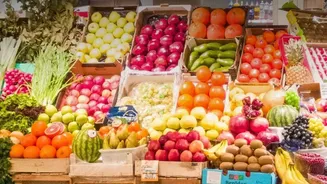
Where you shop matters just as much as what you buy. Instead of heading to premium supermarkets for everything, consider your local markets for fresh, seasonal produce, which is often cheaper and better quality. For non-perishables like grains, lentils, and spices, buying from wholesale markets can lead to significant savings. Always shop with a detailed list and stick to it. This helps you resist the tempting displays and 'special offers' designed to make you spend more. Before you leave home, take a quick inventory of your pantry and fridge. You might already have some of the items you need, preventing duplicate purchases and reducing food waste.
Embrace the Joy of Homemade
Festive sweets and snacks are a huge part of the celebration, but store-bought mithai and namkeen can be very expensive. This season, try your hand at making them at home. Not only is it more cost-effective, but it also adds a personal, heartfelt touch to your offerings. Cooking together can become a cherished family activity, creating memories that last longer than any store-bought delicacy. Simple recipes for laddoos, barfis, or Shankar Pali can be prepared in advance. This approach saves money and allows you to control the quality of ingredients, making your festive treats healthier too.
Share the Load with a Potluck
Hosting a large feast doesn't mean you have to bear the entire financial and culinary burden. A potluck is a wonderful way to enjoy a diverse spread of food while sharing the cost and effort. Ask each guest or family to bring a specific dish. This not only reduces your expenses but also introduces new flavours to the table and fosters a sense of community. If you're attending a gathering, offering to bring a homemade dish is a thoughtful gesture that is often more appreciated than a purchased gift. It allows everyone to contribute, turning the meal into a true collective celebration.
Master the Art of Managing Leftovers
In the spirit of festive abundance, we often cook more than we need. Wasting food is equivalent to wasting money. Plan for leftovers. Have proper storage containers ready to keep excess food fresh. Get creative in the kitchen the next day by transforming leftovers into new dishes. For instance, leftover vegetables can be turned into cutlets, and rice can be used for fried rice. This simple habit of minimising waste can make a surprising difference to your overall food expenditure.