

The Rise of a New Tea Culture
For generations, tea in India has been synonymous with robust, milky, and spiced chai. While that beloved tradition remains a cornerstone of daily life, a quieter revolution is brewing in urban cafes. A growing interest in wellness and natural ingredients
has paved the way for a more nuanced appreciation of tea. Cafes are moving beyond the standard chai patti to explore the vast world of high-quality leaves, treating tea with the same reverence once reserved for specialty coffee. This shift focuses on lighter, more refined flavour profiles, where the tea leaf itself is the hero, gently enhanced by carefully chosen botanicals.
The Single-Estate Advantage
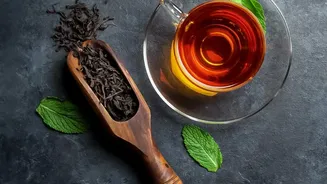
At the heart of this trend is the use of single-estate teas. Unlike blended teas, which combine leaves from multiple gardens to create a uniform product, single-estate teas come from one specific garden or plantation. Think of it like single-origin wine; the tea's flavour is a direct expression of its terroir—the unique combination of soil, climate, and altitude of where it was grown. This means a single-estate Darjeeling will have a distinct floral, muscatel character, while an Assam will be bold and malty. By using these specific teas, cafes can build a beverage around a consistent and high-quality base that tells a story of its origin.
A Palette of Aromatic Botanicals
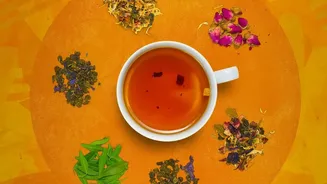
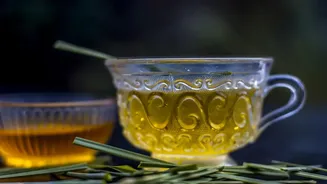
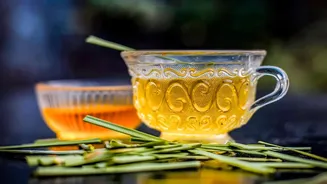
The magic of these infusions lies in the artful pairing of tea with botanicals. The goal is not to mask the tea's flavour but to complement it. Baristas and chefs are drawing from India's rich Ayurvedic and culinary heritage, using a wide array of flowers, herbs, and spices. Popular choices include fragrant rose petals, calming chamomile, citrusy lemongrass, and refreshing mint. Floral notes like hibiscus and lavender are also common. Spices are used with a light touch—a hint of cardamom or a single star anise—to add complexity without overpowering the delicate tea base.
The Art of Cold Brewing
Many of these botanical infusions are served chilled, often prepared using the cold brew method. Instead of using hot water, which can extract bitter tannins from the leaves, cold brewing involves steeping tea and botanicals in cold water for an extended period—anywhere from 8 to 24 hours in the refrigerator. This slow, gentle process extracts the tea's smoother, sweeter flavours and delicate aromatics, resulting in an incredibly refreshing and clean-tasting beverage. The method is forgiving and yields a consistent result, making it perfect for a cafe setting. The long steep time also allows the botanical elements to fully infuse their essence into the drink.
A Modern Sip of Tradition
This trend is more than just a new way to drink tea; it represents a modern interpretation of Indian tradition. For centuries, herbs and spices have been used in Indian households to create wellness-promoting drinks. Today's cafes are continuing that legacy, but with a contemporary focus on premium ingredients and sophisticated flavour pairings. These botanical infusions offer a naturally caffeine-free or low-caffeine alternative to coffee and a more complex, artisanal option than sugary iced teas. They cater to a growing desire for beverages that are not only delicious but also feel mindful and restorative.