






The Problem with Plastic Fabrics
For years, the default monsoon advice was to reach for synthetic fabrics like polyester and nylon. The logic seemed sound: they repel water and dry quickly. However, anyone who has spent a humid afternoon in a polyester kurta knows the downside. These
fabrics trap heat and moisture against the skin, creating a sticky, uncomfortable feeling that often leads to irritation. In high humidity, they simply don't breathe. This has led to a conscious uncoupling from these materials, with style-savvy individuals looking for alternatives that offer comfort without compromising on sophistication during the wet months.
Handloom: The Breathable Alternative
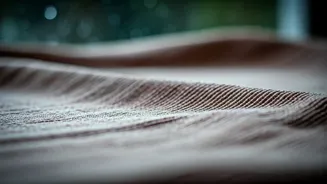
Enter the world of Indian handlooms. Unlike machine-made textiles that have a tight, uniform weave, hand-woven fabrics have microscopic gaps that allow for superior air circulation. This inherent breathability is their superpower in a monsoon. Materials like cotton, linen, and khadi are excellent at absorbing moisture from the skin and allowing it to evaporate, keeping you cool and dry. This natural ventilation system prevents the clammy feeling associated with synthetic wear and makes handloom an exceptionally comfortable choice for navigating India's diverse and often challenging climates.
The Perfect Monsoon Handloom Palette
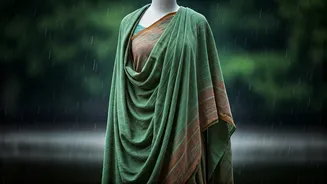
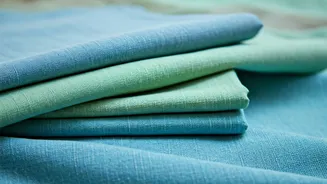
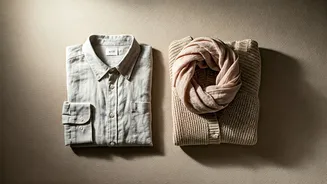
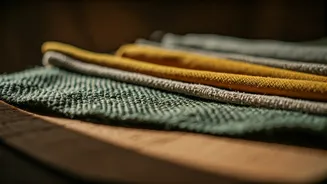
When it comes to monsoon-friendly handlooms, a few key fabrics stand out. Mulmul, often called 'woven air', is exceptionally lightweight and dries incredibly fast, making it a top contender. Khadi, with its hand-spun texture, contains natural air pockets that help regulate body temperature. Linen is another champion, prized for its ability to dry faster than cotton and feel cool against the skin. For festive or semi-formal occasions, lightweight Chanderi—a blend of cotton and silk—offers a touch of elegance without the heaviness of pure silk, which tends to hold moisture. These fabrics prove that practicality and luxury can coexist beautifully.
Styling for the Rain-Soaked Streets
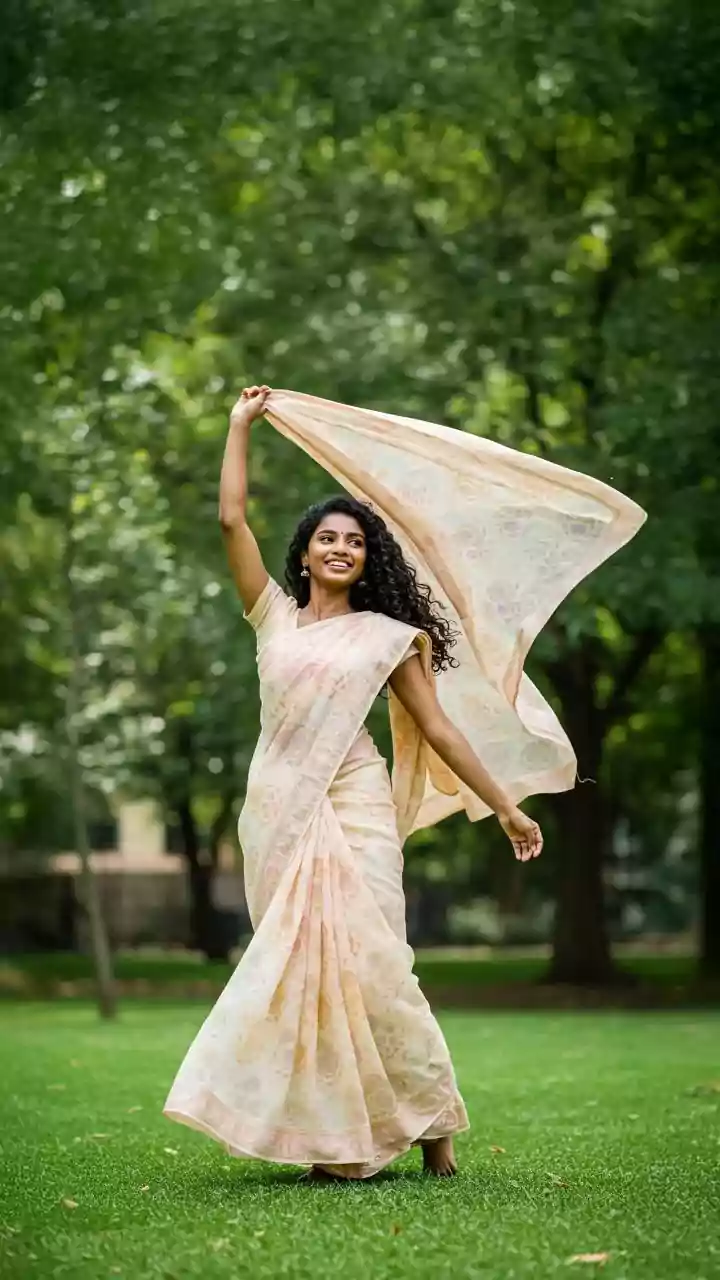
Embracing handloom for the monsoon also involves smart styling. Shorter hemlines are a must; midi dresses, calf-length kurtas, and ankle-length pants are practical choices to avoid dragging them through wet, muddy streets. Loose, airy silhouettes like A-line cuts and wrap dresses are not only comfortable but also prevent fabric from clinging to the body. While many default to dark colours to hide mud splashes, don't shy away from vibrant hues. Bright yellows, corals, and reds can be a joyful antidote to grey, overcast skies. Pair these outfits with practical footwear like sandals with a good grip or stylish sneakers for a look that is both sensible and chic.
A More Conscious Wardrobe
This shift is about more than just comfort; it's a conscious choice. The growing popularity of handloom is part of a larger movement towards sustainable and ethical fashion in India. By choosing handloom, consumers support local artisan communities and help revive traditional weaving techniques that have been passed down through generations. Each hand-woven piece carries a story of craftsmanship and cultural heritage. Opting for khadi, for example, connects the wearer to a legacy of self-reliance and Indian identity. This trend signifies a move towards a wardrobe that is not only beautiful and functional but also meaningful and rooted in a sense of place.