

The Allure of the 'Shoulder Season'
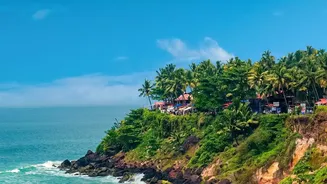
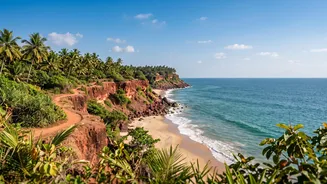
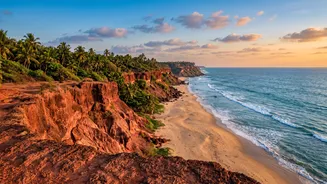
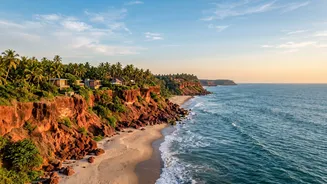
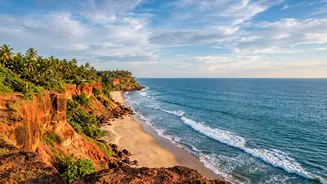
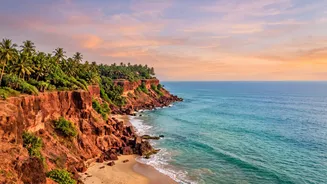
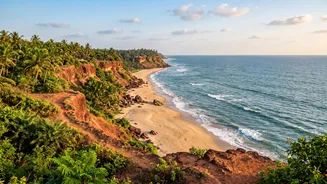
While the peak tourist season in Varkala runs from October to March, the post-monsoon period in September is a well-kept secret among digital nomads. This “shoulder season” offers the best of both worlds: the dramatic, green landscapes sculpted by the rains
and the returning sunshine that makes working by the sea a delight. The crowds of December and January are yet to arrive, meaning accommodation is more affordable and the cliff-top paths are peaceful. This quieter atmosphere is ideal for those seeking focus and a genuine connection with the local rhythm, away from the high-season rush. It's a time when Varkala feels less like a tourist hotspot and more like a personal retreat.
Your Office with an Ocean View
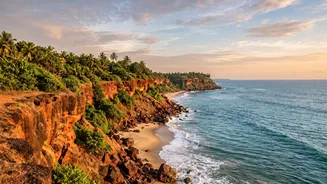
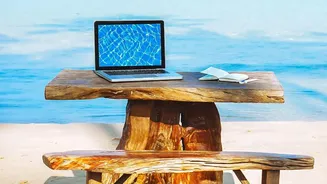
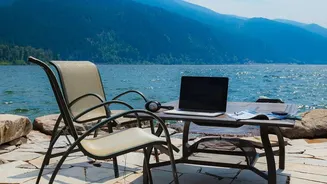
The quintessential Varkala workspace is a café perched on its iconic red cliffs. After the monsoon, many establishments that may have had limited hours spring back to life. Places like Cafe Sarwaa, InDa Cafe, and Coffee Temple are popular among remote workers for their blend of good coffee, reliable Wi-Fi, and, most importantly, stunning sea views. However, the options extend beyond traditional cafes. Many guesthouses and boutique hotels offer work-friendly common areas or even dedicated desks for longer stays. Some hostels are now specifically marketing themselves as hubs for digital nomads and remote workers, complete with power backups and quiet zones. The key is to look for signs advertising free Wi-Fi and to not be shy about asking if it’s okay to work for a few hours. Most are welcoming, provided you order food and drinks periodically.
The Economics of Working from Paradise
One of Varkala's biggest draws is its affordability, especially when compared to major metropolitan cities. A monthly budget for a comfortable digital nomad lifestyle can range from ₹35,000 to ₹90,000, covering accommodation, food, and other expenses. A coffee at a cliffside cafe might cost around ₹100-₹150, while a full meal can be had for ₹300-₹500. For those on a tighter budget, moving slightly inland from the main cliff can reduce costs significantly. Long-stay discounts on accommodation are common, and many nomads find that negotiating a weekly or monthly rate at a guesthouse is far more economical. The cost of living allows for a lifestyle where work is balanced with wellness activities like daily yoga, surfing lessons, or simply enjoying the sunset without breaking the bank.
Connectivity and Other Considerations
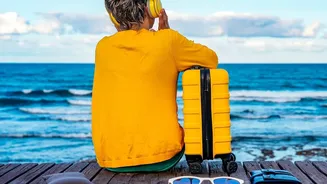
The primary concern for any remote worker is a stable internet connection. While Varkala's connectivity has improved greatly, it can still be inconsistent, especially in cafes during peak hours or during bad weather. Most seasoned nomads recommend having a backup mobile data plan from a provider like Jio or Airtel. It's also wise to inquire about power backup, as outages can occur. Beyond the technical aspects, there's an unspoken etiquette to working from cafes: buy something regularly, don't occupy a large table for hours with just one drink, and use headphones for calls. This ensures a good relationship with the cafe owners and helps maintain the welcoming atmosphere for all remote workers.