





Art, Science, and the Food on Your Plate
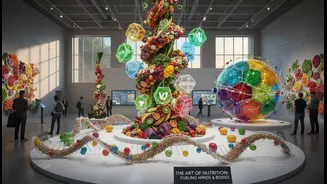
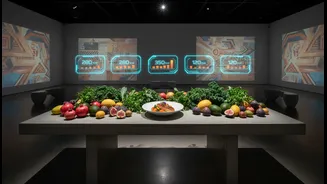
Running until July 2026, the 'Calorie' exhibition at Science Gallery Bengaluru is not your typical health fair. Instead of charts and diagrams, it uses art installations, films, and interactive workshops to explore our deep and often complicated connection
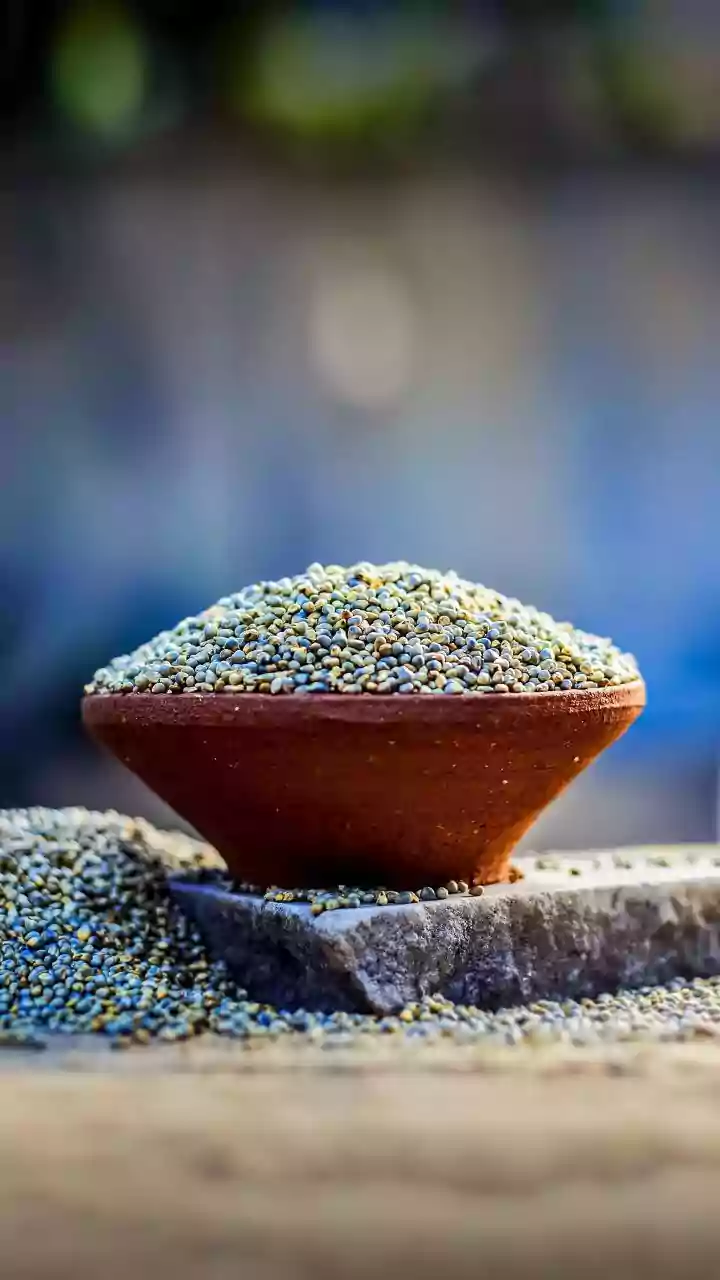
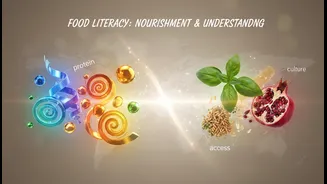
with food. You won't find simple displays of calorie counts. Instead, you might see ragi seedlings sprouting from a bed of e-waste, questioning urbanisation's impact on traditional agriculture, or interactive displays about the communities that grow our food. The exhibition examines everything from food politics and history to nutrition and waste. The goal, according to its creators, is to make visitors think more deeply about where their food comes from, who gets to eat it, and what it truly does to our bodies—moving the focus from a simple number to a much bigger story.
The Allure of a Simple Number
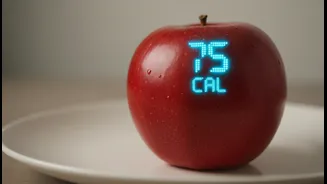
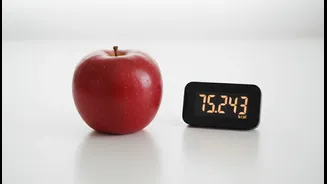
The idea of the calorie itself is over two centuries old, but its dominance in our daily lives is a recent phenomenon. For many, calorie counting feels like a straightforward, scientific approach to managing health and weight. The formula of 'calories in versus calories out' is easy to grasp, and a flood of mobile apps has made tracking every meal simpler than ever. This approach can be a useful starting point, creating a basic awareness of the energy content in different foods. When we see that a single pastry can contain as many calories as a small, balanced meal, it can trigger a shift towards more conscious eating habits. This initial awareness is powerful, giving people a sense of control and a clear metric to follow in a world of confusing dietary advice.
The Limits of Calorie-Only Thinking
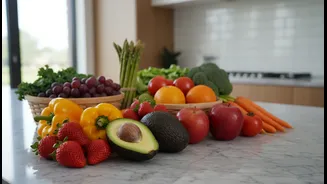
However, experts increasingly warn that a calorie-only mindset is a flawed and incomplete way to view nutrition. The central problem is that not all calories are created equal. A 200-calorie serving of almonds provides healthy fats, fibre, and protein that keep you feeling full and nourished. A 200-calorie sugary drink, on the other hand, delivers a rush of sugar that can lead to an energy crash and cravings for more. The latter is often described as 'empty calories'—energy devoid of significant nutritional value. Focusing solely on the number can lead people to choose highly processed, low-calorie snacks over nutrient-dense whole foods like avocados or nuts, simply because their calorie count is lower. This approach ignores nutrient density—the amount of vitamins, minerals, and beneficial compounds in a food—which is a far better indicator of its quality.
From Awareness to Anxiety
What begins as a healthy intention to be more aware can easily spiral into an unhealthy fixation. Psychologists and nutritionists note that obsessive calorie counting can take a significant mental toll. It can transform the joy of eating into a stressful mathematical exercise, inducing feelings of guilt or failure for going over a self-imposed daily limit. This constant monitoring can increase anxiety, lead to social withdrawal to avoid unpredictable meals, and, in some cases, trigger or worsen disordered eating patterns. Furthermore, strictly following external calorie targets can disconnect us from our body's natural hunger and fullness cues, which are the most intuitive guides to eating what we need.
A Prompt for a Bigger Conversation
This is where the 'Calorie' exhibition succeeds. It uses a familiar concept as a gateway to a much richer and more important conversation. Its purpose isn't to tell you how many calories to eat, but to inspire curiosity about the very nature of our food. By framing the topic through art and science, it encourages a qualitative, not just quantitative, assessment of what we consume. It pushes us to consider the journey of our food, from farm to plate, and its impact on our bodies, communities, and planet. The exhibition's success will be measured not by how many visitors start counting calories, but by how many start asking better questions: Is my food nourishing? Is it sustainable? What is my personal relationship with what I eat? It aims to improve on calorie-only thinking by showing just how much that narrow focus leaves out.