




Your Personal Meal Planner
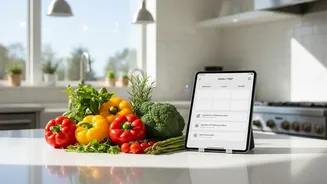
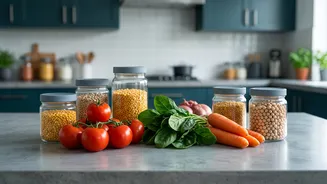
One of the most practical applications of AI in the Indian kitchen is personalised meal planning. Instead of endlessly scrolling for ideas, cooks are using AI tools to generate weekly menus based on specific needs. These tools can consider dietary restrictions
like low-sugar or high-protein, account for regional preferences, and even plan around the ingredients you already have in your pantry. For busy urban households, this is a game-changer, simplifying grocery shopping and reducing the mental load of deciding 'what's for dinner?'. Some platforms can provide calorie and macro insights for each dish, catering to the growing health consciousness among Indian families. This moves beyond a simple recipe finder to become a customised nutrition assistant.
The Smart Sous-Chef Is Here
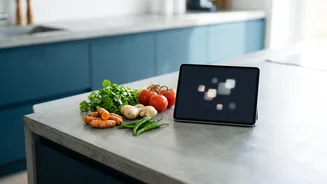
Beyond planning, AI is stepping into the role of a hands-on kitchen assistant. A new generation of smart cooking appliances, often called 'cooking assistants' or 'robots', are gaining traction. Devices from brands like Upliance.ai and Wonderchef integrate AI to automate tedious tasks like chopping, stirring, kneading, and sautéing. These all-in-one machines come with digital screens that provide step-by-step guided cooking for hundreds of recipes. The AI can adjust temperature and cooking times in real-time, ensuring even complex dishes like biryanis are cooked perfectly with minimal supervision. This technology is particularly appealing to young Indians and those with limited cooking experience, making it easier to prepare wholesome home-cooked meals.
Unlocking Culinary Creativity
For more experienced cooks, AI is becoming a powerful creative partner. Using large language models like ChatGPT, home chefs are generating ideas for fusion dishes, finding substitutes for uncommon ingredients, and even reviving forgotten family recipes. Some are documenting old, unwritten recipes by describing the process to an AI, which then structures it into a formal recipe card. This helps preserve culinary heritage. Chefs like Kunal Kapur have noted that AI can help culinary professionals better articulate their ideas and create compelling menu descriptions. AI is also being used to discover novel spice combinations and flavour profiles that still align with traditional Indian tastes, pushing the boundaries of culinary innovation.
Preserving and Understanding Tradition
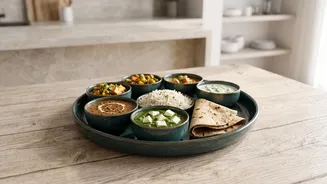
AI isn't just about creating new things; it's also about understanding the old. Researchers in India are using advanced AI, including computer vision, to analyse and decode the country's vast culinary landscape. At institutes like IIIT-Hyderabad, projects are underway to identify the individual components of a complex Indian thali from an image to calculate its nutritional value—a task most Western food-tracking apps fail at. This research is critical for healthcare applications, such as monitoring the diets of pregnant women. By mapping regional ingredients, spice preferences, and cooking styles, AI is helping to create a digital archive of India's rich and diverse food culture.