







From the Counter to Your Couch
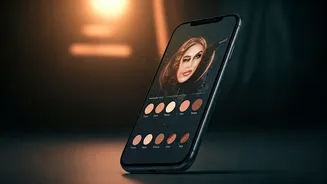
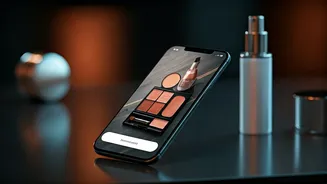
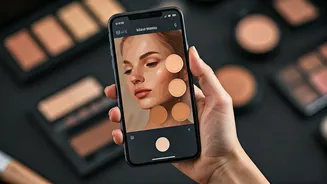
The most visible change driven by AI is the rise of virtual try-on (VTO) technology. Using just your phone's camera, augmented reality (AR) apps can realistically overlay thousands of makeup products on your face in real time. Brands like Sephora, with
its Virtual Artist, and L'Oréal, through its tech subsidiary ModiFace, have been pioneers in this space. These tools use AI-powered facial recognition to map your features, allowing you to experiment with different shades of lipstick, eyeshadow, or even hair colour from your home. The technology has become so sophisticated that it can simulate different textures and finishes, adapting to lighting conditions to provide a photo-realistic preview. This not only makes shopping more convenient but also more engaging, with some brands seeing significant increases in customer interaction and time spent on their apps.
Beyond the Virtual Mirror
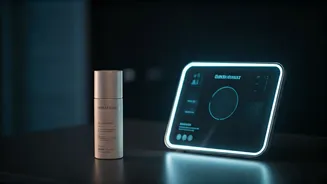
AI's influence extends far beyond just visual try-ons. It's also powering a new era of hyper-personalization in skincare. Companies like Proven, Curology, and Cetaphil use AI to analyze customer data, from selfies to detailed questionnaires about lifestyle and environment. An AI algorithm can assess skin concerns like dryness, acne, or fine lines and then recommend a tailored routine or even create custom-formulated products. L'Oréal's Perso is a device that uses AI analysis to mix personalized daily doses of skincare, adjusting for factors like humidity and pollution. These systems promise to take the guesswork out of finding the right products, moving away from a one-size-fits-all approach to a regimen designed specifically for an individual's unique needs.
The Billion-Dollar Bet on Personalization
For beauty companies, investing in AI is not just a gimmick; it's a core business strategy. The market for AI in the beauty and cosmetics sector is projected to grow from around $5.9 billion in 2026 to over $20 billion by 2034. The reason is simple: it works. Personalized recommendations driven by AI can lead to higher conversion rates and larger basket sizes. One report noted that retailer Yves Rocher saw a significant jump in purchase rates after implementing AI-powered suggestions. Furthermore, virtual try-on tools have been shown to reduce product returns, a costly problem for online retailers. By offering a more confident purchasing experience, AI helps bridge the gap between online browsing and buying, boosting e-commerce sales and building brand loyalty.
The Price of a Perfect Match
This new level of personalization comes with a significant trade-off: data privacy. For these AI tools to work, they need access to vast amounts of personal data, including facial scans, skin condition details, and lifestyle habits. This has raised concerns among consumers and regulators about how this sensitive information is collected, used, and stored. Legal cases, such as a recent lawsuit involving MAC Cosmetics, highlight the growing scrutiny over whether brands are obtaining proper consent before collecting what could be considered biometric data. Experts warn that as AI becomes more integrated into shopping, issues of transparency, algorithmic bias, and potential deception could become more prevalent, challenging brands to balance innovation with consumer trust.