







More Than Just a Tummy Ache
The conversation around 'gut trouble' has expanded far beyond the occasional upset stomach. It now covers a spectrum of chronic issues, including Irritable Bowel Syndrome (IBS), Gastroesophageal Reflux Disease (GERD), and persistent constipation, which
affects a significant portion of the Indian population. Studies indicate that digestive discomfort is alarmingly common, with one survey suggesting 7 out of 10 urban Indians experience gut health issues. Of those, nearly 60% face problems every week. This isn't just about discomfort; poor gut health is increasingly linked to wider health problems, from weakened immunity and skin irritation to anxiety and mood swings, due to the well-established 'gut-brain axis'. As a result, younger generations are seeking medical advice for digestive issues more than ever before, turning what was once a private complaint into a mainstream health priority.
The Ultra-Processed Problem
So, what's fueling this rise in gut distress? A primary culprit is the modern diet, specifically the increased consumption of ultra-processed foods (UPFs). These foods—which include everything from packaged snacks and sugary drinks to fast food—are engineered for convenience and long shelf life. However, they are often low in essential fibre and high in synthetic additives, emulsifiers, and unhealthy fats. Research shows that these ingredients can disrupt the delicate balance of our gut microbiome, the community of trillions of microbes living in our digestive tract. This disruption, known as dysbiosis, reduces microbial diversity, promotes inflammation, and can increase intestinal permeability, a condition sometimes called 'leaky gut'. Diets rich in whole foods like fruits, vegetables, and whole grains, on the other hand, nourish beneficial gut bacteria.
A Booming Billion-Dollar Market
Where there is a problem, a market to solve it soon follows. The growing awareness of gut health has fuelled a massive wellness industry. In India, the market for gut health supplements was valued at over USD 565 million in 2025 and is projected to grow significantly. Probiotics are the dominant force, with the Indian market nearly doubling in five years to over Rs. 2,070 crore (US$ 242 million) in 2025. Supermarket shelves are now filled with probiotic yoghurts, fibre-enriched snacks, and a dizzying array of supplements promising digestive bliss. This trend is driven by younger consumers who are proactively seeking wellness solutions and are influenced by social media, where gut health is a viral topic.
What Experts Actually Recommend
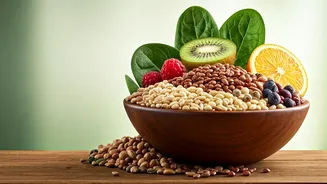
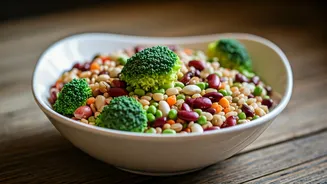
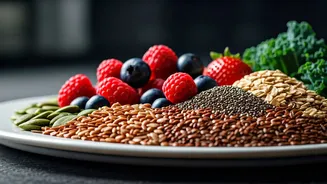
While the market booms, healthcare professionals urge a more measured, food-first approach. Gastroenterologists and registered dietitians emphasise that a healthy gut doesn't necessarily come from an expensive supplement. The foundation of good digestive health is a balanced and varied diet rich in fibre from whole foods. Experts recommend aiming for a diverse intake of fruits, vegetables, and whole grains to feed a wide range of beneficial gut bacteria. Fermented foods like yogurt and kefir are also excellent natural sources of probiotics. While supplements can be useful in specific situations, such as after a course of antibiotics, they are not a magic bullet for most people. Professionals also highlight the importance of lifestyle factors, including staying hydrated, getting regular moderate exercise, and managing stress, all of which have a profound impact on digestive function.