




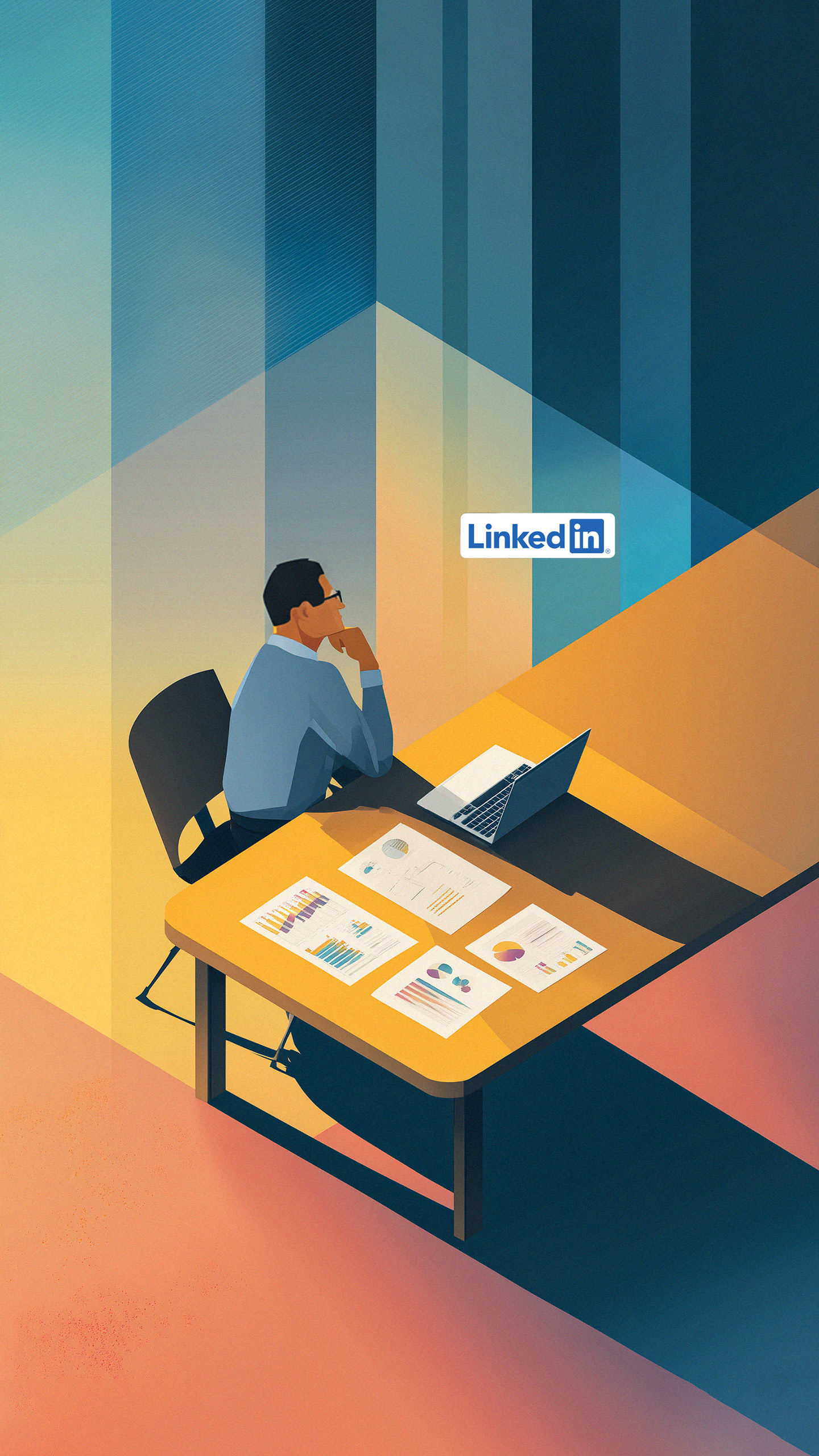





The Science of a Strategic Pause
The feeling of being chained to your desk is a common one, but research shows that powering through without a pause leads to diminishing returns. Our brains are not designed for extended periods of intense focus. Think of it like a muscle: without rest,
it becomes fatigued. This mental exhaustion can lead to a decline in performance, increased stress, and a higher risk of burnout. Studies show that taking breaks allows our brains to reset, replenishing our stores of attention and motivation. Deactivating and then reactivating work-related goals can actually strengthen focus upon your return. A break isn't just stopping work; it's a biological necessity for preventing decision fatigue, consolidating memories, and maintaining high-level performance throughout the day.
Making Your 30 Minutes Count
How you spend your break is as important as taking one. The goal is to detach completely from your work tasks. Scrolling through social media or work-related emails doesn't count, as this can still lead to cognitive fatigue. Instead, focus on activities that use a different part of your brain. A brisk walk is a proven winner; studies show that walking can boost creative thinking and improve your mood. Getting outside into nature or even just near a window with natural light can be restorative. Other effective options include light stretching, listening to a podcast, reading a book for pleasure, or simply practicing a few minutes of mindful breathing. Even running a quick personal errand can provide the mental shift needed to return to work refreshed.
How to Build the Break Habit
Knowing breaks are good for you is one thing; actually taking them is another. The key is to be intentional. Rather than waiting for a moment of free time that may never arrive, schedule your breaks as you would a meeting. Block out a 30-minute slot in your calendar—a mid-morning or mid-afternoon pause can be particularly effective. Set a timer to remind you when it's time to step away and, just as importantly, when it's time to come back. To make the transition back to work smoother, jot down a quick note about what task to tackle first upon your return. If you work in a team setting, consider group breaks like a collective walk, which adds a social element that can further reduce stress and build camaraderie.
Overcoming the Guilt of Rest
One of the biggest barriers to taking breaks is productivity guilt—the nagging feeling that you should be working. This is a learned response from a culture that often equates busyness with value. To counter this, it's essential to reframe your mindset. A break is not a sign of weakness or laziness; it's a strategic investment in your performance and well-being. Remind yourself that rest isn't the opposite of work, it's a vital part of the work cycle. Productivity is not about the number of hours you sit at a desk, but the quality of your focus and output during those hours. By stepping away, you ensure that the time you spend working is more focused, creative, and efficient.