







What is Resilient Cooking?
Resilient cooking is a practical and creative approach to making meals when things don't go as planned. It's about adaptability, whether you're facing a sparse pantry, a missing ingredient at the store, or just the need to use what you have before it goes
bad. More than just knowing a few substitution tricks, it's a mindset that values flexibility over rigid adherence to recipes. This approach empowers you to see recipes as guidelines rather than strict rules, turning potential kitchen crises into moments of invention. It’s about building confidence in your own ability to produce a delicious meal, no matter the circumstances, thereby reducing both food waste and the stress of a sudden change of plans. This culinary philosophy is a testament to human ingenuity in the face of challenges.
Build a Flexible Indian Pantry
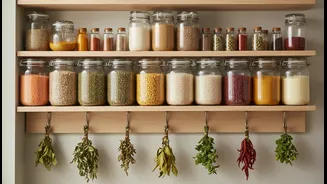
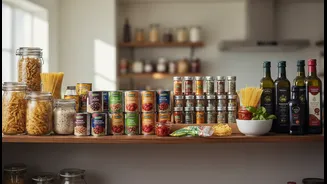
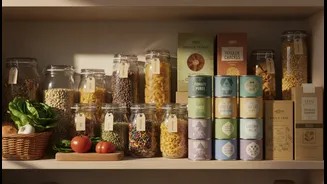
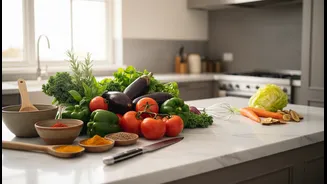
The foundation of any resilient kitchen is a well-stocked pantry. For an Indian kitchen, this means having a reliable set of staples that can form the base of countless meals. Stocking up on essentials like rice, lentils, and flour is a great start. Key items include a variety of lentils (dals) like toor, masoor, and moong, which are the backbone of many nutritious meals. Keep long-lasting vegetables like onions, potatoes, garlic, and ginger on hand. Essential spices such as turmeric, cumin seeds, coriander powder, and garam masala are non-negotiable for creating authentic flavours. Canned goods like tomatoes, chickpeas, and coconut milk offer convenience and a long shelf life, allowing you to whip up a curry or a quick dal in minutes. Having these basics ensures you’re always prepared to create a satisfying meal.
Technique Over Strict Recipes
A truly resilient cook understands methods, not just recipes. When you know the basic techniques of Indian cooking, you can adapt to almost any situation. For instance, understanding how to create a basic masala base (bhuna masala) with onions, ginger, garlic, and tomatoes (or a substitute) allows you to make hundreds of different curries. If you're out of fresh tomatoes, tomato paste mixed with a little water and a pinch of sugar can often work. Similarly, knowing the art of tempering spices (tadka) can elevate the simplest dish of lentils or vegetables. Focusing on these core skills—sautéing, tempering, and building flavour layers—gives you the freedom to improvise. You start to see patterns in cooking, which makes it easier to swap ingredients confidently.
Embrace Smart Substitutions
Ingredient swaps are a resilient cook’s best friend. Many ingredients have functional equivalents that can save a dish. Out of paneer? Firm tofu, halloumi, or even hardy vegetables like potatoes and cauliflower can work in a curry. No yogurt for a marinade or raita? A squeeze of lemon juice in milk can create a quick buttermilk-like substitute. If a recipe calls for a specific vegetable you don't have, look for something with a similar texture. For example, carrots can often stand in for sweet potatoes, and spinach for other leafy greens. The idea is to find something with a similar flavour profile or texture. Even fats and oils can be swapped; ghee can often be replaced with a neutral oil, and in some baked goods, applesauce or mashed banana can stand in for oil or butter. Being open to these changes makes your cooking more versatile.
Let Go of Perfection
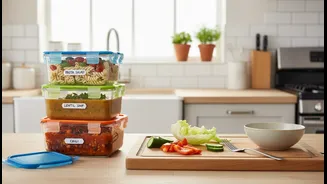
Finally, resilient cooking is about embracing the 'good enough' meal. It’s about letting go of the need for a dish to be perfect or exactly as pictured in a cookbook. Sometimes the most memorable meals come from happy accidents and creative problem-solving. This mindset also fights food waste, as it encourages you to use up leftovers and ingredients that are slightly past their prime. Leftover dal can be used to make parathas, and wilting herbs can be blended into a chutney or sauce. By focusing on creating something nourishing and tasty rather than a flawless reproduction of a recipe, you’ll find more joy and less pressure in the kitchen. This flexible approach not only makes you a better cook but a more resourceful one, ready for whatever your pantry—or the market—has to offer.