







Why Your Gut Is More Vulnerable During Monsoon
The rainy season creates a perfect storm for germs. High humidity and moisture allow bacteria, viruses, and fungi to multiply rapidly on food surfaces and in water. The risk of waterborne diseases like gastroenteritis, cholera, and typhoid increases as heavy
rains can cause sewage to contaminate drinking water supplies. Furthermore, according to both modern science and Ayurveda, the digestive system can become sluggish during this season. This weakened digestive fire, or 'Agni', makes you more susceptible to bloating, acidity, and infections from contaminated food.
The Hard Truth About Street Food
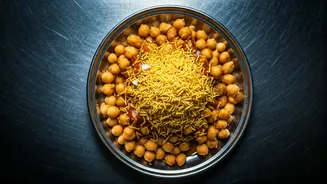
The siren call of street-side pakoras, chaat, and pani puri is strongest during a downpour, but this is where caution is most needed. Street food vendors often struggle to maintain hygiene in wet conditions, with food exposed to flies and contaminated water. Pani puri is particularly risky as the water is rarely boiled and raw chutneys can harbour germs. If you must indulge, opt for snacks that are served piping hot, straight from the fryer or pan, as high temperatures kill most bacteria. Roasted bhutta (corn on the cob) is another relatively safe bet. It's best to avoid any pre-cut fruits, raw salads, or juices from roadside stalls.
Handle Leafy Greens and Raw Veggies with Care
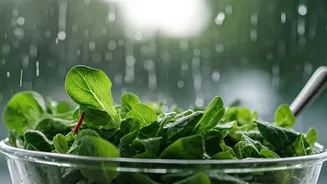
Leafy green vegetables like spinach and cabbage, along with others like cauliflower, can be risky during the monsoon. They grow in damp conditions and their leaves can trap dirt, germs, and even larvae. Health experts advise against consuming them raw. If you do buy them, proper cleaning is non-negotiable. Wash them thoroughly under running water. For extra safety, soak them in a bowl of water with salt or a bit of vinegar for 10-15 minutes, which helps dislodge germs and insects. Afterward, rinse them again with clean water. Cooking these vegetables is the safest way to consume them.
A Word on Seafood and Meats
The monsoon is the breeding season for many types of fish and sea creatures, which means freshness can be compromised. This increases the risk of consuming contaminated or stale seafood, which can lead to stomach infections. If you are a meat lover, ensure you are buying from a clean, reputable source. All meats and seafood must be cooked thoroughly to a safe internal temperature to kill any harmful bacteria like Salmonella or E. coli that thrive in humid weather.
Smart Choices at Home and When Dining Out
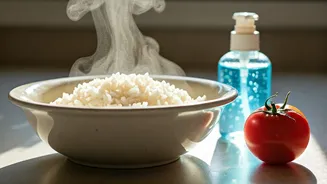
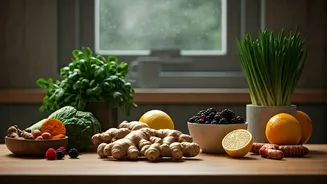
The safest food is freshly cooked food. At home, use only boiled or filtered water for drinking and cooking. Wash your hands with soap before handling food, and keep your kitchen surfaces clean. Store leftovers in the refrigerator promptly and reheat them thoroughly before eating, bringing gravies and soups to a boil. When eating out, choose restaurants that visibly maintain high standards of hygiene. Opt for well-cooked dishes over raw salads or cold appetisers. Including immunity-boosting ingredients like ginger, garlic, and turmeric in your meals can also help strengthen your body's defences.