





A Simple Switch for a Major Problem
In a significant public health recommendation, a consensus of 29 leading Indian doctors and public health experts has advocated for replacing regular table salt with potassium-enriched alternatives. This follows guidelines from the World Health Organization
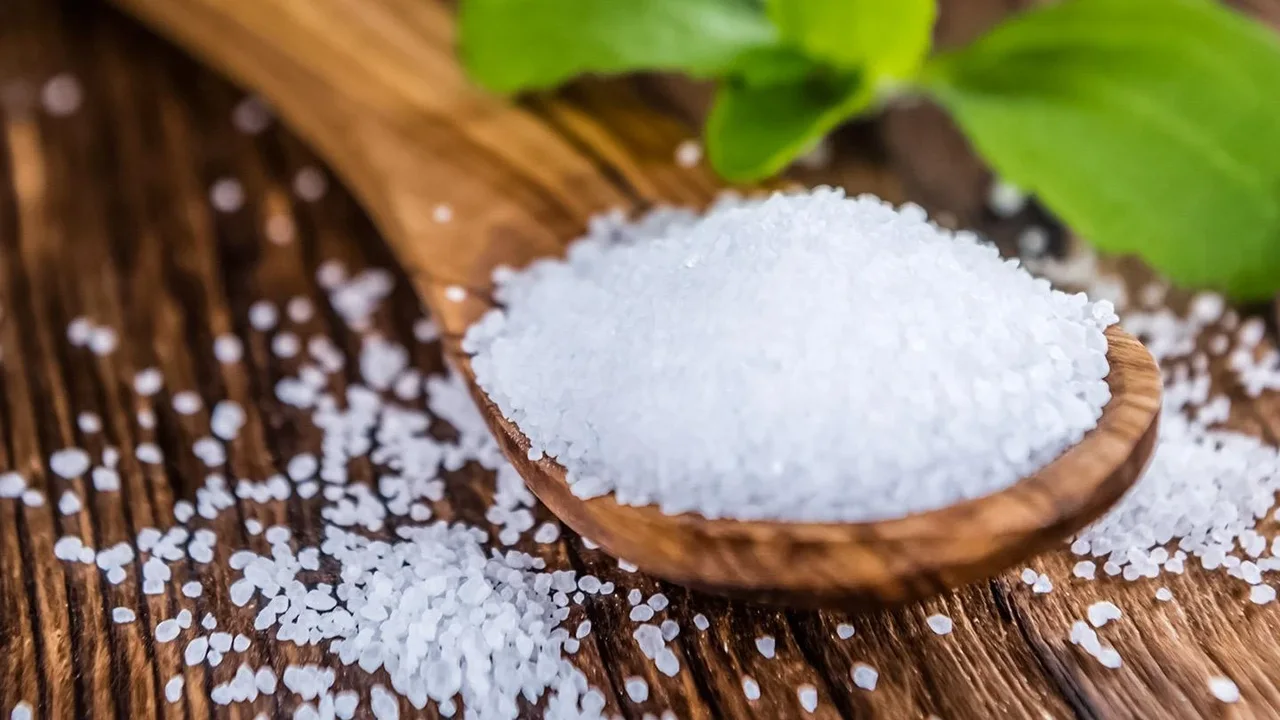
(WHO) and is aimed at tackling India's widespread problem of hypertension, or high blood pressure. With an estimated 19.9 crore Indians living with the condition, and high salt intake linked to 1,75,000 deaths annually, finding effective strategies is critical. Potassium-enriched salt, often called low-sodium salt substitute (LSSS), typically replaces 15-30% of sodium chloride with potassium chloride. The result is a product that tastes and functions like regular salt but helps address two key dietary issues at once: reducing harmful sodium and increasing beneficial potassium.
The Science Behind the Salt
The push for potassium-enriched salt is backed by strong scientific evidence. The primary benefit comes from its dual action. Excessive sodium intake is a major driver of high blood pressure, as it causes the body to retain water, putting extra strain on blood vessels. Potassium, on the other hand, helps the body excrete sodium and eases tension in blood vessel walls, which helps lower blood pressure. A landmark study in China involving nearly 21,000 people found that using a salt substitute reduced the risk of stroke by 14% and death by 12%. A similar, smaller study in Telangana also confirmed that these salts effectively lowered blood pressure in adults with hypertension. Experts believe a nationwide switch in India could prevent nearly 400,000 deaths annually from cardiovascular and kidney diseases.
The Critical Kidney-Health Caution
While the benefits are substantial for the general population, the expert panel's endorsement comes with a crucial and non-negotiable caution: potassium-enriched salt is not safe for everyone. The primary group at risk is people with advanced chronic kidney disease (CKD). Healthy kidneys are responsible for filtering excess potassium from the blood. When kidney function is severely impaired, they lose this ability. Consuming extra potassium can lead to a dangerous buildup in the blood, a condition called hyperkalemia. Severe hyperkalemia can cause life-threatening heart rhythm problems, muscle weakness, and even cardiac arrest. Because early-stage kidney disease often has no symptoms, many people may not even be aware they are at risk.
Who Else Should Be Careful?
Beyond those with advanced kidney disease, a few other groups should exercise caution and consult a doctor before making the switch. This includes individuals who are on specific medications that can raise potassium levels, such as certain blood pressure drugs (like ACE inhibitors and ARBs) or potassium supplements. People with diabetes or certain hormonal disorders may also be at a higher risk for hyperkalemia. Experts stress that for most people, including those with mild kidney issues or well-managed diabetes, the salt substitutes are safe and beneficial, but proper monitoring and medical guidance are key. The panel's recommendation is for a stratified approach, where the benefits and risks are weighed on an individual basis.
Making an Informed Choice
The consensus among health experts is that potassium-enriched salt should be integrated into India’s national strategy to reduce non-communicable diseases. They are calling for the Food Safety and Standards Authority of India (FSSAI) to update regulations to recognise it as an approved 'edible salt' and to implement clear, evidence-based labelling. For consumers, the key takeaway is not to make a blind switch. If you are healthy and have no known kidney issues, it is likely a safe and positive change. However, if you have any pre-existing health conditions, especially hypertension, heart disease, diabetes, or any known kidney problems, it is absolutely essential to speak with your doctor first. A simple blood test can check your potassium levels and kidney function to ensure that this otherwise healthy switch is safe for you.